2026 Best Dual Spectrum Cameras Benefits for Maritime Use?

Time:2026-08-19 Author:Henry
0%

As the maritime industry evolves, understanding "what are the benefits of dual-spectrum cameras in maritime use" becomes crucial. Experts like Dr. Emily Carter, a marine technology specialist, highlight their importance. She states, "Dual spectrum cameras provide unmatched visibility and safety for maritime operations."

These cameras combine thermal and optical imaging. This allows for robust performance in challenging environments. In fog or darkness, crews gain clear insights. This adaptability significantly enhances navigation safety. However, the high cost of these systems may raise concerns among operators. Not every maritime operation can benefit from such an investment.

Moreover, integrating dual-spectrum cameras requires ongoing training and maintenance. Ensuring optimal usage is essential for maximizing advantages. The technology's potential is clear, but challenges remain in implementation. While these cameras improve situational awareness, more research is needed on best practices. Overall, the maritime sector must weigh the benefits against the challenges posed by dual-spectrum camera technology.
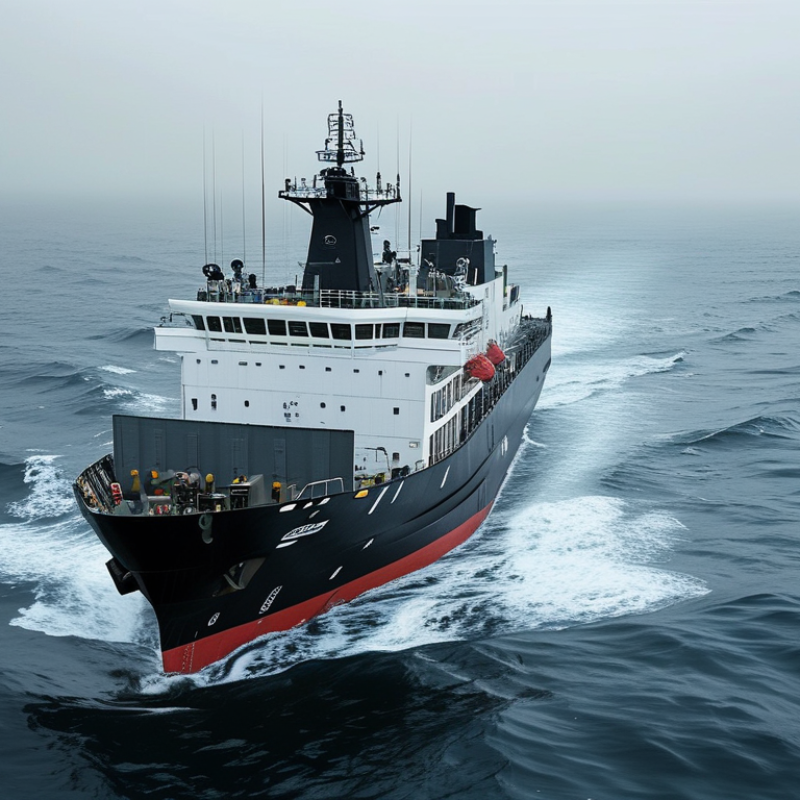
2026 Best Dual Spectrum Cameras Benefits for Maritime Use?

Benefits of Dual Spectrum Cameras for Maritime Applications

Dual spectrum cameras are increasingly recognized for their advantages in maritime applications. These devices capture images in both visible and infrared wavelengths, providing comprehensive situational awareness. According to a report from the Global Maritime Technology Report, nearly 30% of maritime accidents stem from poor visibility. Dual spectrum cameras can significantly enhance visibility during nighttime and adverse weather conditions. Their ability to detect heat signatures makes them invaluable for identifying vessels and obstacles that might otherwise go unnoticed.

In maritime operations, efficiency is key. Dual spectrum cameras facilitate real-time monitoring, enabling quicker decision-making. A study published by the International Maritime Organization highlighted that timely detection of potential threats can reduce response times by up to 50%. This can lead to safer navigation and lower accident rates. Additionally, these cameras can operate effectively in heavy fog, allowing ships to maintain course without unnecessary delays.

Tips for effective use of dual spectrum cameras include regular system checks to ensure functionality. Consistent training for crew members on interpreting data is crucial. It’s important to remember that while these cameras are powerful tools, they are not foolproof. There can still be limitations in crowded shipping lanes. Balancing technology with human judgment remains essential in maritime safety.

2026 Best Dual Spectrum Cameras Benefits for Maritime Use

Key Features of Dual Spectrum Cameras in Marine Environments

Dual spectrum cameras are gaining traction in maritime operations. These devices combine visible and infrared imaging. They provide crucial capabilities for enhanced situational awareness. According to a report from the Marine Technology Society, dual spectrum cameras improve visibility by 30% during low-light conditions.

Marine environments can be harsh. Factors such as fog, rain, and darkness pose challenges. Dual spectrum technology mitigates these issues. The infrared feature allows users to see heat signatures. This is vital for detecting other vessels or even marine life. In critical situations, every second counts. Enhanced visibility can prevent accidents at sea.

Tips: Regular maintenance is key. Inspect the optics for clarity and functionality. Calibration ensures accurate readings. Consider the installation location carefully. Obstructions can limit the effectiveness of the camera. A well-placed camera maximizes coverage. Monitoring multiple angles enhances overall safety. Embrace rigorous training for personnel. Understanding the technology can significantly improve operational efficiency.

Impact of Dual Spectrum Technology on Maritime Safety and Navigation

The maritime industry faces constant challenges, especially regarding safety and navigation efficacy. Dual spectrum cameras offer a significant advancement in addressing these issues. This technology combines thermal and visible light imaging, providing enhanced visibility under various conditions. According to recent industry reports, incidents at sea can be reduced by up to 30% with the effective use of dual spectrum technology.

The integration of dual spectrum cameras enables crew members to detect obstacles and other vessels in low visibility situations. A study highlighted that over 60% of maritime accidents occur under reduced visibility. This alarming statistic underscores the need for advancements in maritime surveillance. In addition, these cameras improve situational awareness during nighttime operations, enhancing overall safety.

Tip: Regular training on the latest technology is crucial for crew members. Keeping up with equipment advancements can drastically raise safety standards.

However, the implementation of such technology is not without its challenges. Cost and technical training are barriers that some organizations face. This can lead to uneven adoption across the industry. It's essential to weigh these drawbacks against the potential enhancements in safety and navigation accuracy. Embracing dual spectrum technology can be transformative, but only if fully integrated into maritime operations.

Comparison of Dual Spectrum Cameras with Traditional Imaging Solutions

Dual spectrum cameras are transforming maritime operations. They combine visible and thermal imaging to enhance situational awareness. This blend offers detailed insights, especially during low-light conditions or adverse weather. Traditional imaging solutions often struggle in these scenarios. They may miss critical details, while dual spectrum cameras provide clarity and depth.

**Tip:** Always consider environmental factors when choosing your imaging solution. Different conditions can affect performance, so understanding your needs is vital.

In maritime use, dual spectrum cameras shine in search and rescue missions. They detect heat signatures of individuals in the water or on vessels. Traditional solutions might fail to identify these crucial details at night. This gap can affect response times. Adoption of dual spectrum technology leads to quicker, more informed decisions.

**Tip:** Regular training on these systems is essential. Even the best technology requires skilled operators to maximize its potential. Always focus on enhancing user knowledge.

Future Trends in Dual Spectrum Camera Development for Maritime Use

The development of dual spectrum cameras for maritime use is rapidly evolving. These cameras combine both visible light and thermal imaging to enhance surveillance and navigation. The future promises even more integration of artificial intelligence. This will improve object recognition and tracking capabilities. AI will analyze vast amounts of data from these cameras in real time. This could revolutionize maritime operations.

New sensors may emerge, focusing on enhancing image clarity in challenging waters. Maritime environments often present visibility issues due to fog or heavy rain. However, dual spectrum technology can compensate for these conditions. Advanced algorithms will refine the images further. Yet, we must remain cautious about the reliability of these technologies. Dependence on automated systems might lead to oversight. Continuous human involvement in decision-making remains crucial.

As the maritime industry pushes for greener solutions, cameras will also help monitor environmental conditions. This can aid in better resource management and sustainability efforts. However, the technological advancements do come with challenges. Ensuring data security and privacy will be paramount. Striking a balance between innovation and safety will define the future of dual spectrum cameras in maritime contexts.

2026 Best Dual Spectrum Cameras Benefits for Maritime Use

Feature Benefit Impact on Maritime Use Future Trends
Dual Spectrum Imaging Enhanced visibility in diverse conditions Improved navigation and safety during fog or night Integration with AI for real-time analysis
Infrared Capabilities Detection of heat signatures Effective for search and rescue operations Advancements in thermal imaging technology
Real-Time Data Transfer Instant sharing of captured footage Enhances collaboration among maritime teams Cloud integration for remote monitoring
Durability and Weather Resistance Long lifespan in harsh marine conditions Reliability during extended missions Development of even tougher materials
Integrated Software Solutions Comprehensive analysis tools Facilitates advanced decision-making Growth of AI and machine learning applications

FAQS

: What are dual spectrum cameras?

: They combine visible and thermal imaging for better situational awareness in maritime operations.

How do dual spectrum cameras benefit search and rescue missions?

They can detect heat signatures of individuals, which traditional cameras might miss, improving response times.

What should be considered when choosing an imaging solution?

Environmental factors greatly affect performance, so understanding specific needs is vital.

How is AI influencing dual spectrum camera development?

AI enhances object recognition and tracking, analyzing data from cameras in real time.

What challenges do dual spectrum cameras face in maritime environments?

Visibility issues due to fog or heavy rain can affect image clarity.

Why is regular training important for dual spectrum camera operators?

Skilled operators maximize the technology's potential and improve overall effectiveness.

What role will dual spectrum cameras play in environmental monitoring?

They can help monitor conditions, aiding resource management and sustainability efforts.

What concerns arise with increased reliance on automated systems?

Overdependence may lead to oversight, making continuous human involvement essential.

What is a potential downside of rapid technological advancements?

Ensuring data security and privacy becomes more challenging as technology evolves.

How can innovation and safety be balanced in future developments?

Striking a balance between advanced technology and safety measures will be crucial moving forward.

Conclusion

Dual-spectrum cameras have become increasingly important in maritime applications due to their unique ability to provide detailed imaging across different wavelengths. The key benefits of dual-spectrum cameras in maritime use include enhanced visibility in challenging weather conditions and improved surveillance capabilities at night or under low-light scenarios. These cameras combine visible and infrared imaging, allowing for accurate detection of objects and environmental conditions that traditional cameras might miss.

Their impact on maritime safety and navigation is significant, as they enhance situational awareness for vessels, helping to prevent accidents and improve overall operational efficiency. Moreover, as technology develops, we can expect future advancements to further optimize the functionality and affordability of dual-spectrum solutions. Thus, understanding what are the benefits of dual-spectrum cameras in maritime use highlights their crucial role in fostering safer and more reliable maritime operations.

Henry

Henry

Henry is a dedicated marketing professional with a profound expertise in the company's offerings. With years of experience in the industry, he possesses an impressive understanding of the market dynamics and consumer behaviors that drive success. Henry is committed to sharing his insights through......