In today's rapidly evolving landscape, the question of "what is the best mobile surveillance for emergency response" carries substantial weight. With emergency services facing increasing demands, effective surveillance solutions are critical. According to a report by the Security Industry Association, mobile surveillance systems can enhance response times by up to 30%. This statistic highlights the importance of advanced technologies in the field.
Experts like Dr. Mark Henderson, a noted authority in emergency management, emphasize this need for innovation. He stated, "Choosing the right mobile surveillance technology can save lives." This sentiment resonates as organizations seek tools that blend reliability with fast deployment. However, the market remains crowded and complex.
The variety of available options can be overwhelming. New systems often boast advanced features, yet users must scrutinize the reliability and ease of use. As Dr. Henderson points out, "Many solutions lack the seamless integration required in critical situations." Thus, stakeholders must thoughtfully evaluate their choices to ensure the best performance under pressure.
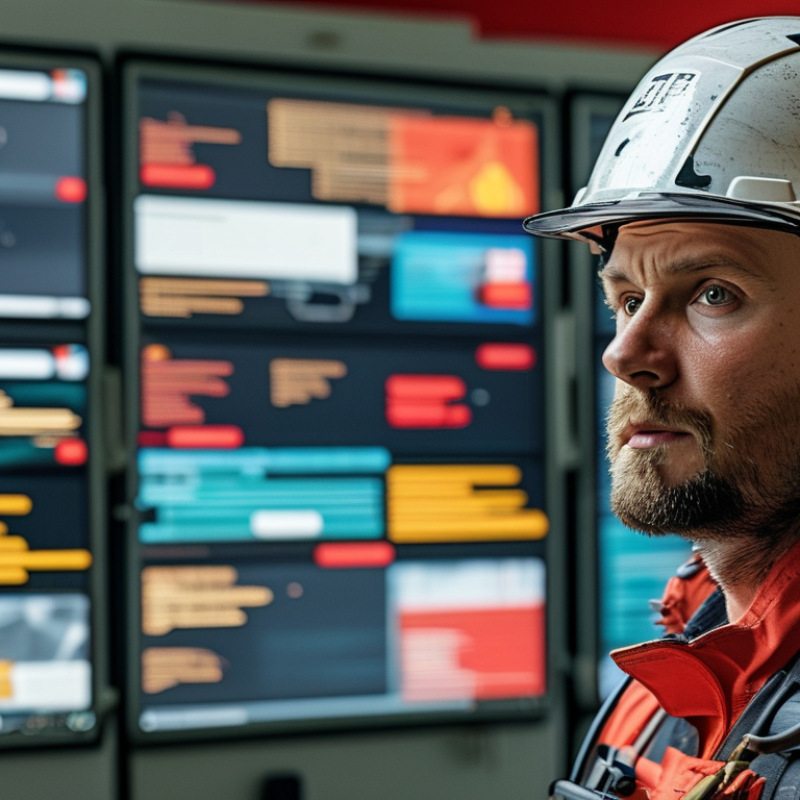
Mobile surveillance solutions play a crucial role in emergency response. These systems enhance situational awareness, allowing responders to assess incidents quickly. High-definition cameras can relay real-time footage to command centers. This supports decision-making and resource deployment.
Several options are available, including drones and portable cameras. Drones can cover large areas, providing aerial views of emergencies. They're particularly useful in hard-to-reach locations. Portable units can be quickly set up in the field. However, issues such as battery life and range limitations exist. Ensuring reliable connectivity is essential for effective monitoring.
Integration with existing communication networks is vital. It enables seamless data sharing among teams. Adoption of these technologies can improve response times. Yet, there can be a steep learning curve. Training for personnel is crucial to maximize effectiveness. Balancing technology and human input leads to better outcomes. Ongoing evaluation of these tools can highlight areas for improvement.
| Solution Name | Key Features | Deployment Time | Accessibility | Cost Estimate |
|---|---|---|---|---|
| Advanced Mobile Cam | 1080p HD, Night Vision, Live Streaming | 2 hours | Mobile App, Web Interface | $300 - $500 |
| Smart Surveillance Drone | 4K Video, Thermal Imaging, GPS Tracking | 1 hour | Controller with Display | $1,200 - $2,000 |
| Body-Worn Camera | Recording, Live Feed, Shock Resistance | 30 mins | Direct USB Connection | $500 - $800 |
| Mobile Command Center | Integrated Systems, Video Conferencing, Remote Control | 1 Day | Vehicle Mounted | $15,000 - $30,000 |
| Portable Surveillance Kit | Multiple Cameras, Quick Setup, Battery Powered | 15 mins | Tablet Interface | $1,000 - $2,500 |
Mobile surveillance systems play a crucial role in emergency response. They provide real-time monitoring, which is essential during critical situations. An effective mobile surveillance solution should have key features that enhance responsiveness and situational awareness.
One important feature is high-definition video quality. Clear images allow responders to assess situations accurately. Equally vital is the ability to connect with other emergency services. This ensures seamless coordination during incidents. Moreover, leveraging cloud technology can improve data accessibility for authorized users.
Tips: Consider implementing motion detection capabilities. This feature can alert responders immediately when unusual activity is detected. Additionally, seek systems with extended battery life. This is essential during prolonged emergencies.
Flexibility is another important aspect. Mobile systems should adapt to different environments, whether it’s urban or rural. However, it’s crucial to evaluate how these systems integrate into existing infrastructure. Ensuring compatibility can prevent gaps in coverage. Regular training for staff is also necessary. This prepares them to utilize the systems effectively during emergencies.
This chart illustrates the effectiveness ratings of key features in mobile surveillance solutions for emergency response, based on a scale from 1 to 10. Image quality and usability are rated highest among the important features.
Mobile surveillance technologies play a crucial role in crisis management. Recent reports indicate that over 70% of emergency responders utilize mobile surveillance solutions to enhance situational awareness. These technologies enable real-time monitoring, allowing first responders to make informed decisions. High-definition cameras mounted on vehicles provide clear visuals, capturing critical incidents as they unfold. This data can be invaluable during emergencies.
Tips: Invest in robust mobile data management systems. This ensures seamless data access for all responders in any location. Regularly update training programs. Familiarity with surveillance tools boosts efficiency in high-pressure situations.
To effectively use these technologies, organizations must consider bandwidth requirements. Over 60% of responders report connectivity issues during emergencies. Addressing these challenges can significantly improve response times. Additionally, integrating mobile surveillance with other systems can amplify the benefits. For example, linking video feeds to command centers promotes better coordination among teams. Engagement with stakeholders is essential when deploying these tools. Ensuring that everyone is on the same page is vital for effective crisis management.
Mobile surveillance solutions have become crucial for emergency response teams. These technologies help ensure safety and quick reactions during crises. A recent report by MarketsandMarkets projects the mobile surveillance market will reach $24.5 billion by 2026, growing at a CAGR of 8.5%. This growth indicates an increasing reliance on real-time data and visual analytics during emergencies.
When analyzing leading providers, factors such as deployment speed, user interface, and data integration capabilities come to the forefront. Many institutions face challenges in adapting these technologies. For instance, 30% of organizations reported difficulties in integrating mobile surveillance with existing systems. Simplicity and efficiency in the user interface are critical for rapid decision-making in urgent situations. Even with technological advances, deploying these systems remains complex.
Another dimension to consider is the cost-effectiveness of solutions. A study by Frost & Sullivan indicates that improper installation and maintenance can lead to a loss of 15% in operational efficiency. It's essential to weigh the upfront costs against long-term benefits. While the industry has advanced, the need for ongoing feedback and improvement in these systems is clear. High-quality mobile surveillance is not just about technology; it's about enhancing coordination during emergencies.
The future of mobile surveillance in emergency services is shaping up to be innovative and critical. As technology advances, we see a shift towards integrating AI capabilities into surveillance systems. Real-time data analysis could improve response times and situational awareness for emergency personnel.
Drones, equipped with high-definition cameras, are another significant trend. They provide aerial views during emergencies, enhancing decision-making processes.
However, there are challenges that must be addressed. The reliability of data collection in chaotic environments is often questionable. Surveillance systems must be designed to operate effectively, even under pressure.
Cybersecurity is also a growing concern, as systems become more interconnected. Emergency services must ensure that their surveillance technology is secure from potential hacking threats.
The integration of body-worn cameras is another avenue worth exploring. These devices can capture firsthand accounts of incidents, contributing to transparency and accountability. Yet, the implications for privacy must be carefully considered. Balancing public safety and individual rights is not straightforward. Stakeholders need to engage in thoughtful discussions about these issues as they develop and implement new mobile surveillance solutions.
: High-definition video quality and seamless connectivity with emergency services are essential features.
Cloud technology enhances data accessibility for authorized users, improving response efforts.
Systems must adapt to different environments, whether urban or rural, for effective operation.
Bandwidth requirements are crucial; over 60% of responders face connectivity issues during emergencies.
Motion detection alerts responders to unusual activities immediately, increasing situational awareness.
Regular training ensures staff can utilize the systems effectively during high-pressure situations.
AI integration and drones are key trends enhancing real-time data analysis and aerial views.
Reliability of data collection can be questionable, so systems need to perform effectively under pressure.
They enhance transparency and accountability, but privacy implications must be carefully considered.
Increased interconnectivity raises risks of hacking, requiring robust security measures for protection.
The article titled "2026 Best Mobile Surveillance Solutions for Emergency Response" explores the evolving landscape of mobile surveillance technologies specifically designed to enhance emergency response efforts. It begins with an overview of how these solutions are integral to real-time situational awareness and decision-making during crises. Key features of effective mobile surveillance systems include high-definition video quality, real-time data transmission, and robust analytics capabilities that facilitate a rapid response.
Moreover, the article provides a comparative analysis of leading providers in the mobile surveillance space, highlighting the strengths and weaknesses of various technologies. As we look ahead, future trends indicate a significant shift towards AI-powered surveillance, increased integration with drones, and enhanced cybersecurity measures. Ultimately, understanding what is the best mobile surveillance for emergency response is crucial for agencies aiming to improve their preparedness and operational effectiveness in critical situations.

HawkEye Camera