2026 Best Mobile Surveillance Solutions for Emergency Response?

Time:2026-04-29 Author:Aria
0%

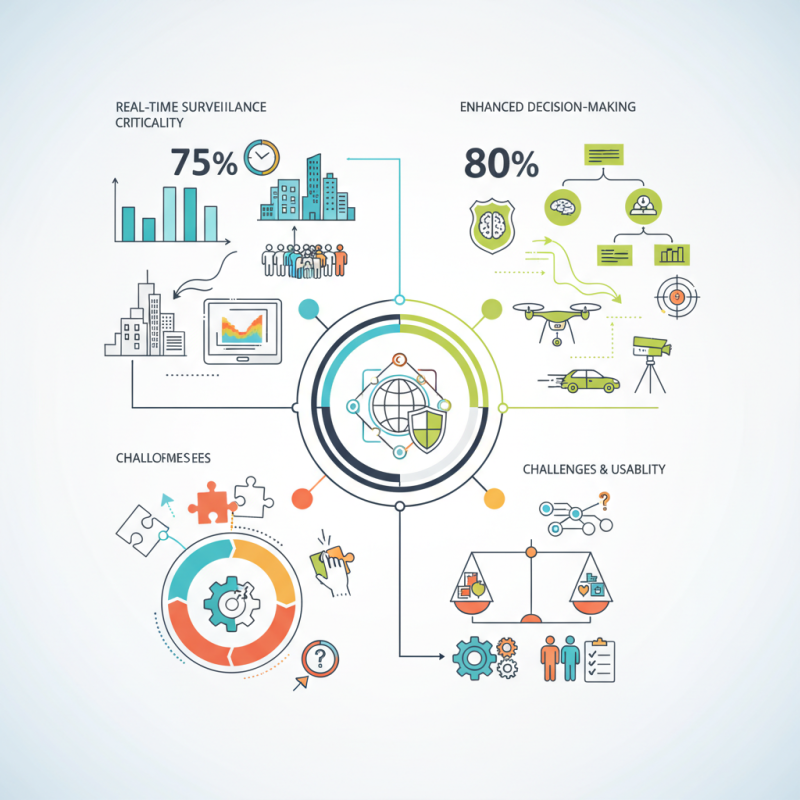
As the demand for efficient emergency response solutions grows, the question arises: what is the best mobile surveillance for emergency response? According to a recent report from Gartner, over 75% of organizations consider real-time surveillance critical for public safety. Mobile surveillance technology offers flexibility and enhanced situational awareness.

Emergency responders need reliable tools. In a study from the International Association of Chiefs of Police, 80% of officers reported that mobile surveillance improved their decision-making in crisis situations. The ability to deploy cameras and drones rapidly can make a significant difference in outcomes. However, many agencies still struggle with implementation, highlighting the need for ongoing training and system integration.

While advancements exist, challenges remain. Not all mobile surveillance solutions are user-friendly, and integration with existing systems can be complex. As agencies evaluate options, there must be a focus on usability and compatibility. Balancing innovation with practicality is essential. The path to finding the best mobile surveillance solution requires careful consideration of both technology and user needs.
2026 Best Mobile Surveillance Solutions for Emergency Response?

Overview of Mobile Surveillance Solutions in Emergency Response

Mobile surveillance solutions are increasingly essential in emergency response scenarios. They provide real-time data and situational awareness to first responders. According to a recent report by the International Association of Emergency Managers, integrating mobile surveillance with existing emergency systems can reduce response times by up to 25%. This improvement can be crucial when every second counts.

In practice, mobile surveillance units can be deployed quickly. These units often include portable cameras and drones equipped with live-streaming capabilities. They help assess the situation before first responders arrive. However, there are challenges. Connectivity issues in remote areas can hinder effectiveness. Additionally, ensuring data security is paramount, as sensitive information could be at risk during transmission.

Tip: Regular training for personnel using these systems can improve response effectiveness. Keep an eye on technology trends. The landscape of surveillance is always evolving, and keeping equipment updated can greatly enhance operational efficiency. Changes in regulations concerning data protection should also be closely monitored to ensure compliance.

2026 Mobile Surveillance Solutions for Emergency Response

This chart displays the importance scores of various features in mobile surveillance solutions for emergency response. Features such as Real-time Video Streaming and Mobile Access are deemed highly crucial, with scores approaching 10.

Key Features and Technologies of 2026 Mobile Surveillance Systems

In 2026, mobile surveillance systems are crucial for emergency response. These solutions enhance situational awareness and assist decision-making in crises. Key features include real-time video streaming and advanced analytics. These technologies allow responders to assess situations quickly and deploy resources effectively.

One significant advancement is the integration of AI-driven analytics. This technology enables automated threat detection and alerts. It reduces human error and speeds up responses. Another important aspect is connectivity. Systems now leverage 5G networks to provide high-speed data transmission. This ensures that vital information is shared instantly among teams.

Despite these advancements, challenges remain. Not all areas have reliable cellular coverage, limiting effectiveness. There are concerns about data privacy with extensive surveillance. Balancing security with civil liberties is a delicate task. Continuous evaluation and adaptation of these systems are necessary for success.

Market Trends and Growth Projections for Mobile Surveillance Solutions

The mobile surveillance market is evolving rapidly, driven by increasing demand for real-time monitoring. According to a recent report by MarketsandMarkets, the mobile surveillance solutions market is projected to reach $6.4 billion by 2026, growing at a CAGR of 14.3%. This growth reflects the rising focus on public safety and security in urban areas.

One significant trend is the integration of AI technology. AI enhances threat detection and response times. Machine learning algorithms can analyze video feeds in real-time, reducing the need for human monitoring. This efficiency is crucial during emergencies, where seconds matter. Additionally, cloud-based storage is becoming increasingly prevalent, allowing for easy access and sharing of surveillance data. The convenience adds to the effectiveness of emergency response.

Tip: Consider using mobile surveillance solutions that allow for remote access. This can provide critical information to responders on the way to an incident.

Even with advancements, challenges persist. Issues like data privacy and cybersecurity are paramount. Protecting sensitive information must be a priority. Transitioning to mobile surveillance requires addressing potential vulnerabilities, ensuring robust security measures are in place.

Tip: Regularly review your mobile surveillance systems for security updates. This helps safeguard against evolving threats in the digital landscape.

2026 Best Mobile Surveillance Solutions for Emergency Response

Solution Type Key Features Market Share (%) Growth Rate (2023-2026) Region with Highest Demand
Cloud-Based Solutions Real-time access, Scalability, Remote monitoring 30 20% North America
Mobile App Solutions User-friendly interface, Notifications, GPS tracking 25 15% Asia-Pacific
Wearable Surveillance Devices Hands-free operation, Live streaming, Data syncing 20 18% Europe
Drones for Surveillance Aerial view, High resolution, Versatile applications 15 25% Latin America
Integrated Systems End-to-end solutions, Automation, Analytics 10 10% Middle East

Comparative Analysis of Leading Mobile Surveillance Vendors in 2026

The landscape of mobile surveillance solutions is rapidly evolving. In 2026, a comparative analysis of leading vendors highlights key innovations. Most solutions prioritize real-time data transmission. They focus on high-definition video quality, which enhances clarity during emergencies. Mobile units now integrate advanced AI algorithms to identify threats quickly. This feature significantly improves response times for emergency operators.

Not all solutions are perfected yet. Some vendors still struggle with battery life and remote access issues. User feedback often reveals difficulties in navigation. The interface is not always intuitive, which can delay operational effectiveness. This inconsistency raises questions about reliability during critical moments. Companies must address these user-experience challenges to enhance trust.

Emergency responders require dependable systems. Reliability is crucial for high-stakes situations. Cost is another factor influencing the choice of mobile surveillance systems. While some high-end options exist, budget constraints affect many agencies. Balancing between quality and affordability remains a challenge. The analysis reveals an industry in transition, striving to meet complex needs while improving its offerings.

Best Practices for Implementing Mobile Surveillance in Emergency Situations

In emergency situations, implementing mobile surveillance can enhance response efforts significantly. Utilizing portable cameras and drones can provide real-time visuals. These tools allow responders to assess scenarios and make quick decisions. It's important to ensure that the technology used is reliable. Testing equipment before deployment can help identify potential issues.

Training personnel on how to operate mobile surveillance effectively is crucial. Staff should understand camera angles, data acquisition, and equipment limitations. Communication systems must integrate with surveillance tools to share information swiftly. Feedback from users can highlight areas for improvement. Regular drills can equip teams to adapt to varying circumstances.

While mobile surveillance offers great advantages, challenges exist. Issues like data overload can complicate decision-making. Often, not all footage is relevant, leading to wasted time. Ensuring privacy is another concern that must be addressed. Clear policies on data usage are essential. Balancing effective monitoring with privacy rights is a critical aspect that requires continuous evaluation.

FAQS

: What are mobile surveillance solutions used for in emergencies?

: They provide real-time data and aid first responders in gaining situational awareness.

How much can mobile surveillance reduce response times?

Integrating these solutions can cut response times by up to 25%.

What technology do mobile surveillance units typically use?

They often include portable cameras and drones for live-streaming capabilities.

What challenges do mobile surveillance solutions face?

Connectivity issues in remote areas and data security risks are significant challenges.

How can training improve the use of mobile surveillance systems?

Regular training enhances personnel effectiveness and familiarity with the technology.

What improvements are needed in mobile surveillance solutions?

Some systems struggle with battery life and remote access; user interfaces can be confusing.

Why is reliability important in emergency response systems?

Dependable systems must function during high-stakes situations to ensure safety and efficiency.

How do cost considerations affect the choice of surveillance systems?

Budget constraints make balancing quality with affordability a constant challenge for agencies.

What role does technology play in evolving mobile surveillance solutions?

Keeping equipment updated with the latest technology can enhance operational efficiency.

Are there any known areas for improvement in the user experience of these systems?

User feedback indicates navigation difficulties, showing a need for more intuitive interfaces.

Conclusion

In the evolving landscape of emergency response, mobile surveillance solutions are becoming increasingly vital. The 2026 insights on mobile surveillance systems highlight key features and technologies that enhance situational awareness and responsiveness, such as real-time video transmission, advanced analytics, and integration with other emergency communication systems. As agencies embrace these technologies, understanding what is the best mobile surveillance for emergency response becomes crucial for effective decision-making.

Market trends point to significant growth in the mobile surveillance sector, driven by the demand for improved safety and efficiency in crisis situations. A comparative analysis of leading vendors reveals varying approaches and solutions, emphasizing the importance of selecting systems that align with specific operational needs. Best practices for implementation focus on training, integration with existing infrastructure, and regular updates to keep the systems effective and up-to-date. This comprehensive overview serves to guide organizations in optimizing their mobile surveillance strategies for enhanced emergency response.

Aria

Aria

Aria is a dedicated marketing professional with a deep passion for innovative strategies and a keen understanding of our company's product offerings. With a wealth of experience in the industry, Aria excels at crafting engaging content that highlights the unique features and benefits of our......