In today's tech-driven world, maximizing battery life is crucial for portable monitors. As remote work and mobile usage increase, understanding how to extend the battery life of portable monitoring units becomes essential. John Thompson, a tech engineer at SmartTech Innovations, emphasizes, "Investing time in managing power settings can drastically improve your device's endurance."
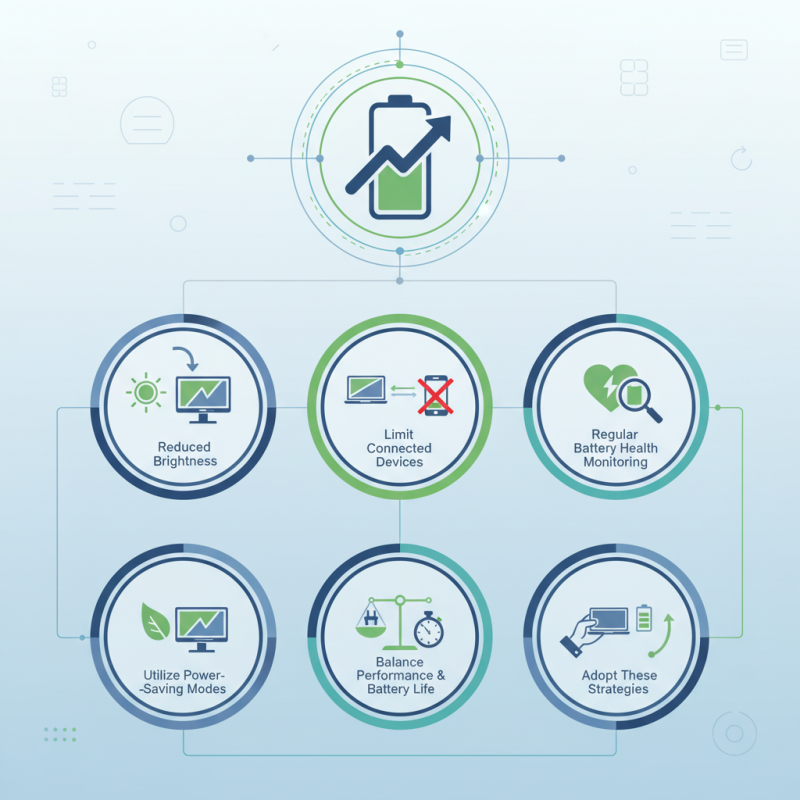
Proper usage and settings play a vital role in battery longevity. For instance, reducing brightness can save considerable energy. Additionally, limiting the number of connected devices can further enhance performance. Many users overlook these simple adjustments, leading to unnecessary drain.
Experts recommend regular monitoring of battery health. Utilizing power-saving modes helps too. However, relying solely on these features may not always be effective. In practice, many still encounter unexpected shutdowns, indicating a need for deeper understanding. Balancing between performance and battery life is an ongoing challenge. Adopting these strategies will significantly enhance your experience with portable monitors.
Understanding Portable Monitor Battery Life Basics
Portable monitors are convenient tools for enhancing productivity. However, their battery life can be a challenge. Knowing how to manage and extend this battery life is essential. Battery capacity depends on size, screen brightness, and usage patterns. Often, users overlook these factors, leading to short battery spans.
One effective tip is to lower the screen brightness. Many users set brightness levels to maximum, draining the battery quickly. Adjusting this to a lower setting can significantly extend the usable time. Additionally, consider closing unused applications that consume power. Running multiple apps simultaneously can strain your monitor’s battery.
Regularly checking battery settings can provide insights. Users should enable power-saving modes available in their monitors. These settings often optimize energy consumption, prolonging overall battery life. Although it may seem tedious, reflecting on these habits helps identify areas for improvement. Each step contributes to a more efficient and consistent battery performance.
To enhance battery efficiency on portable monitors, optimizing display settings is crucial. Studies show that increasing brightness leads to a significant reduction in battery life. For example, a display brightness setting of 100% can drain battery life by up to 50% faster compared to 30%. Adjusting the brightness to a comfortable yet lower level can prolong usage by hours.
Color settings also impact battery consumption. Using darker themes can reduce power usage. Research indicates that OLED screens can be 20% more efficient when displaying darker images. Furthermore, reducing the refresh rate to 60Hz from 120Hz offers another way to save energy. While it may affect some visuals negatively, the trade-off is often worthwhile for battery longevity.
Additionally, implementing automatic brightness adjustments can further aid in maintaining battery life. This feature uses ambient light sensors to automatically optimize brightness. This not only saves energy but also enhances viewing comfort. Regularly reviewing these settings raises awareness of your monitor's energy consumption. However, the effectiveness of these adjustments may vary based on the monitor and its environment, making it essential to experiment for the best results.
Portable monitors are increasingly popular among professionals and casual users. To maximize their usability, effective power management techniques are essential. Understanding how to conserve battery life can significantly impact user experience.
One effective tip is to adjust the brightness settings. Lowering brightness not only saves power but also reduces eye strain. Users can set their monitors to auto-adjust brightness based on ambient light. This will help in preserving battery life while ensuring a comfortable viewing experience.
Another technique involves utilizing power-saving modes. Many portable monitors come with built-in features that limit power consumption during inactivity. Engaging sleep or standby modes when the monitor is not in use can extend battery life significantly. Users should familiarize themselves with these settings to prevent wasted energy.
Lastly, keeping the monitor clean can also enhance battery efficiency. Dust and smudges can affect performance. Regular maintenance might seem tedious, but it can lead to better functionality and longer battery life. Remember, pushing the limits of battery usage can sometimes lead to quicker drain. Balancing performance and power conservation is key.
When exploring external factors influencing the battery performance of portable monitors, several variables come into play. Temperature is one significant factor. Extreme heat can lead to reduced battery life. Studies show that lithium-ion batteries, commonly used in these devices, degrade faster in high temperatures. Alternatively, cold conditions may affect battery efficiency. Users may notice shorter usage times during colder months.
Another aspect to consider is the brightness level of the monitor. High brightness settings consume more power, leading to quicker battery drain. Users can experiment with lower settings to optimize battery life. In practice, many overlook this simple adjustment. Also, the connectivity options utilized can impact performance; keeping multiple connections active may sap battery power fast. Managing Bluetooth, Wi-Fi, or any external devices proves crucial.
Lastly, the types of content displayed on the screen can also affect battery usage. Static images tend to use less power than moving graphics. However, many people may not realize this subtle detail. Being aware of these factors can help users make informed decisions. Adjusting settings and understanding performance variables adds to the overall experience, even as limitations persist.
| Factor | Description | Impact on Battery Life |
|---|---|---|
| Brightness Level | Lowering the brightness can significantly reduce power consumption. | High impact, can extend battery life by up to 30%. |
| Sleep Mode | Using sleep mode when inactive helps conserve battery. | Moderate impact, can save 15-25% of battery. |
| Temperature | Keeping the monitor within optimal temperature ranges enhances battery performance. | Variable impact, extreme temperatures can reduce battery efficiency significantly. |
| Connection Type | Using power-efficient connections like USB-C reduces power draw. | High impact, can save up to 20% battery. |
| Display Resolution | Lowering resolution can reduce graphics processing demands. | Moderate impact, can save 10-20% of battery usage. |
| Peripheral Devices | Disconnecting unused peripherals prevents battery drain. | High impact, can extend battery life by 10-15%. |
Choosing the right accessories for portable monitors can significantly enhance their battery longevity. A high-quality portable charger is essential. Look for chargers that offer multiple output ports. This allows for charging your monitor and other devices simultaneously. Make sure to choose chargers that are lightweight and compact, ensuring they do not add bulk to your setup.
Using a protective case is another great choice. A durable case not only protects your monitor but also helps to retain heat generated during use. This can positively impact battery efficiency. Additionally, consider investing in a smart power bank that can intelligently manage power delivery. These devices can automatically cut off power when the battery is full, preventing overcharging.
Be mindful of screen brightness settings. Reducing brightness can extend battery life dramatically. Also, avoid using heavy applications that drain power quickly. While this may seem obvious, many users overlook it. Regularly checking cables and connections is vital. Frayed or loose connections can drain battery prematurely. Simple adjustments can make a significant difference in performance.
: Higher brightness drains battery life faster. For example, 100% brightness can reduce battery life by 50%.
A brightness level of around 30% is often sufficient. This can help prolong usage significantly.
Yes, using darker themes can reduce power consumption by up to 20% on OLED screens.
Lowering the refresh rate from 120Hz to 60Hz can save energy, though it may impact visuals negatively.
This feature uses sensors to optimize screen brightness based on the surrounding light, saving energy.
High-quality portable chargers and protective cases can enhance battery efficiency and prevent overheating.
Using smart power banks that cut off power when full can prevent overcharging and enhance battery health.
Damaged or loose cables can cause premature battery drain, so regular checks are essential.
Many users overlook the impact of heavy applications on battery life, which can be detrimental.
Yes, effectiveness varies by monitor and environment. Experimenting helps find the best setup for efficiency.
To extend the battery life of portable monitoring units, it is essential to first understand the basics of their battery performance. Optimal display settings, such as reducing brightness and using battery saver modes, can significantly enhance battery efficiency. Additionally, implementing effective power management techniques, like disconnecting unused peripherals and minimizing background applications, is crucial for conserving energy.
External factors, such as temperature and humidity, also play a significant role in battery performance, so ensuring the monitor is used in suitable conditions can aid longevity. Moreover, selecting the right accessories, such as high-quality cables and chargers, promotes optimal charging and battery health. In summary, by mastering how to extend the battery life of portable monitoring units through these strategies, users can enjoy prolonged usage and increased efficiency from their devices.

HawkEye Camera