What is the Difference Between IP66 and IP67 for Vehicle Cameras?

Time:2026-05-19 Author:Madeline
0%

In the automotive industry, ensuring vehicle safety is paramount. Vehicle cameras play a crucial role in this, especially under various environmental conditions. When evaluating these cameras, understanding their IP ratings is essential. Specifically, what is the difference between IP66 and IP67 for vehicle cameras?

According to recent data from the International Electrotechnical Commission (IEC), these ratings indicate a camera's resistance to dust and water. IP66 denotes a high level of dust resistance and protection against powerful water jets. Meanwhile, IP67 offers robust dust protection and can withstand temporary immersion in water. For vehicle applications, this distinction can impact performance in adverse conditions, such as heavy rain or off-road environments.

However, while IP67 provides superior water protection, it does not automatically mean that all IP67-rated cameras are better for every situation. Certain usage scenarios may still lead to failure if product specifications are not carefully evaluated. Understanding both IP ratings can help manufacturers and consumers make informed choices, enhancing vehicle safety and reliability.
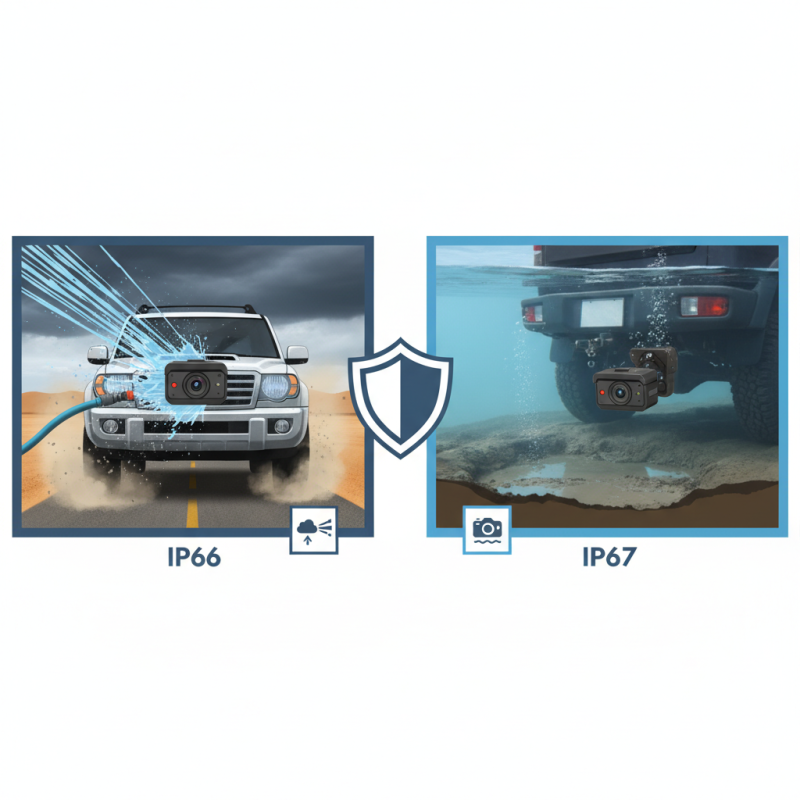
What is the Difference Between IP66 and IP67 for Vehicle Cameras?

Understanding IP Ratings for Vehicle Cameras

When it comes to vehicle cameras, understanding IP ratings is crucial for optimal performance. IP ratings, or Ingress Protection ratings, indicate how well a product is protected against dust and water. An IP66 rating means the camera is completely protected from dust and can withstand powerful water jets. On the other hand, an IP67 rating indicates that the camera is dust-tight and can endure immersion in water up to 1 meter for 30 minutes.

A study by industry experts highlights that vehicles equipped with IP67 rated cameras tend to perform better in harsh weather conditions. These cameras are often more reliable in heavy rain or snow. Regular maintenance is essential, as dirt or debris can compromise even the highest-rated equipment.

Tip: When selecting cameras for your vehicle, consider environments where they'll operate. If your vehicle will constantly face severe conditions, opt for IP67.

While it’s easy to assume that higher ratings guarantee better protection, some products may still fail under unexpected challenges. An example is a camera with an IP66 rating being unable to function properly if water pressure exceeds specific limits in real-life situations.

Tip: Conduct real-world tests if possible, as specifications don't always reflect everyday usage.

Defining IP66 and IP67 Standards in Detail

The IP66 and IP67 ratings are critical for evaluating vehicle cameras' durability. These codes indicate how well the devices can withstand dust and water. The first digit signifies protection against solid particles, and the second digit indicates water ingress resistance.

An IP66 rating means complete protection from dust and powerful water jets. In a rigorous environment, this rating is beneficial for vehicles operating in harsh conditions, such as construction sites. A study by the International Electrotechnical Commission (IEC) shows that equipment with an IP66 rating can endure high pressure and turbulent water. This makes it suitable for outdoor settings.

In contrast, an IP67 rating implies complete dust protection and can handle temporary submersion in water up to 1 meter for 30 minutes. Research suggests that vehicles in regions with heavy rainfall or frequent water exposure benefit significantly from IP67-rated cameras. However, both ratings have limitations. IP67 might not hold up under extreme conditions beyond the specified time frame. Users should evaluate their specific environments to make informed decisions.

Comparing Water and Dust Resistance Levels of IP66 vs. IP67

When comparing IP66 and IP67 ratings for vehicle cameras, water and dust resistance are crucial factors. An IP66 rating indicates that the camera is protected against powerful water jets and total dust ingress. This means it can withstand harsh weather conditions, making it suitable for off-road vehicles or industrial settings. The dust protection ensures that even fine particles won't interfere with the camera's functionality.

In contrast, an IP67 rating offers an even higher level of water resistance. Cameras with this rating can be submerged in water up to one meter for 30 minutes. This feature is particularly useful for vehicles that may encounter deep puddles or heavy rain. Nevertheless, some users might underestimate the implications of submersion, thinking that all IP67 devices are fully waterproof. It’s essential to understand operational limitations for both ratings.

Both ratings demonstrate a commitment to durability. Choosing the right camera involves assessing the vehicle’s environment. If a camera is frequently exposed to dust and water, opting for IP67 may be wise. However, users must remain aware that even the best-rated cameras can face challenges under extreme conditions or prolonged exposure. Regular checks can help maintain performance and longevity.

Importance of IP Ratings in Vehicle Camera Applications

In vehicle camera applications, IP ratings, such as IP66 and IP67, serve as crucial indicators of a device's durability. These ratings inform users about the camera's ability to withstand dust and water exposure. An IP66 rating means the camera is protected against powerful water jets and total dust ingress. In contrast, an IP67 rating indicates that the camera can endure immersion in water up to 1 meter for a limited time. Understanding these ratings is vital for ensuring the longevity of vehicle cameras, especially in demanding environments.

For those working with vehicle cameras, it's essential to consider the conditions where the cameras will be used. Harsh weather, road debris, and water exposure can lead to premature failure. Choose an IP67-rated camera for areas prone to heavy rain or splashes. This rating provides more security against water intrusion than an IP66 camera, making it a smarter investment for rigorous applications.

Tip: Always assess your needs before purchasing. Don't overlook how environmental factors can impact camera performance. Regular maintenance checks are also advisable, ensuring all seals and mounts remain intact. This can help prevent unsuspected failures, extending the life of your vehicle camera.

IP66 vs IP67 Ratings for Vehicle Cameras

The chart above compares the protection levels of IP66 and IP67 ratings relevant to vehicle cameras. IP66 offers protection against strong water jets, while IP67 provides complete protection against dust and can withstand immersion in water up to 1 meter for 30 minutes.

Choosing the Right IP Rating for Vehicle Camera Needs

When choosing a vehicle camera, understanding the IP rating is crucial. IP66 and IP67 indicate how well a device resists dust and water. But which one is right for you? As you assess your needs, consider the environment your camera will face.

IP66 provides excellent dust protection and can withstand powerful water jets. It’s suitable for vehicles operating in dusty or wet conditions. However, it does not guarantee protection against immersion in water. You might think that's enough, but many vehicle operations may face unexpected scenarios.

On the other hand, IP67 offers even better protection. This rating means the camera can be submerged in water up to 1 meter for 30 minutes. If your vehicle frequently encounters heavy rain or needs to cross shallow water, this rating could save your equipment. Still, some may overlook the long-term effects of prolonged exposure to harsh conditions. Choosing IP67 is often about considering potential situations rather than just current needs.

What is the Difference Between IP66 and IP67 for Vehicle Cameras? - Choosing the Right IP Rating for Vehicle Camera Needs

Feature IP66 Rating IP67 Rating
Water Resistance Protected against heavy rain and water splashes Protected against immersion in water up to 1 meter for 30 minutes
Dust Resistance Totally dust-tight Totally dust-tight
Usage Environment Suitable for outdoor use in wet conditions Ideal for environments where submersion is a risk
Common Applications Transportation, construction, and agricultural vehicles Marine applications, diving operations, and areas prone to flooding
Cost Consideration Generally lower cost than IP67 cameras Typically higher cost due to enhanced waterproofing features

FAQS

: What do IP66 and IP67 ratings indicate?

: They assess durability against dust and water, crucial for vehicle cameras.

What does an IP66 rating mean?

It ensures complete dust protection and resistance to powerful water jets.

In what conditions is an IP66 rating beneficial?

It is ideal for vehicles in harsh environments, like construction sites.

What does having an IP67 rating signify?

It indicates complete dust protection and can handle temporary submersion in water up to 1 meter.

How long can an IP67-rated camera be underwater?

Up to 30 minutes without damage, but conditions must be monitored.

Which rating is better for wet climates?

IP67 is more suitable for vehicles facing heavy rainfall or shallow crossings.

Are there limitations to IP66 and IP67 ratings?

Yes, IP67 isn’t effective under extreme conditions beyond its specifications.

Should users consider their specific environment when choosing a rating?

Definitely, understanding your operational environment is essential for making informed decisions.

Can relying solely on these ratings be risky?

Yes, unexpected situations can arise, and users may overlook long-term exposure effects.

What should be evaluated when selecting a vehicle camera?

Assess environmental conditions and potential scenarios the camera may face.

Conclusion

The article titled "What is the Difference Between IP66 and IP67 for Vehicle Cameras?" provides a comprehensive examination of IP ratings, specifically focusing on the distinction between IP66 and IP67 standards. Understanding IP ratings is crucial for assessing the durability and performance of vehicle cameras in challenging conditions. IP66 offers strong protection against dust as well as powerful water jets, while IP67 enhances this by providing additional resistance to temporary submersion in water.

The article also emphasizes the importance of these ratings in vehicle camera applications, guiding users in selecting the appropriate IP rating that meets their specific needs. By analyzing the water and dust resistance levels, the piece ensures that readers grasp the critical factors involved in choosing the right vehicle camera, ultimately contributing to better decision-making for enhanced vehicle safety and reliability.

Madeline

Madeline

Madeline is a dedicated marketing professional with a wealth of expertise in our company's core offerings. With a keen understanding of the industry, she brings a unique perspective to her role, consistently delivering high-quality content that highlights the superior aspects of our products. As......