Signal loss in portable 5G control terminals poses a significant challenge for industries relying on real-time data. According to a recent report by the Global 5G Market Insights, over 30% of users experience signal interruptions in various environments. This issue is especially critical in sectors like healthcare, transportation, and manufacturing, where reliable connectivity is essential.
Addressing the question of how to fix signal loss in portable 5G control terminals requires a systematic approach. Many users find that environmental factors, such as physical barriers and interference from other devices, play a major role in connectivity issues. Moreover, inadequate equipment can exacerbate these problems, leading to frustrating downtime and inefficiency.
Improving signal strength may involve upgrading antennas or enhancing software algorithms. However, it is important to remember that not all solutions are universally effective. Organizations must adapt their strategies based on specific operational needs and environments. Continuous evaluation and adjustment of technology ensure that users remain connected, even in challenging situations.
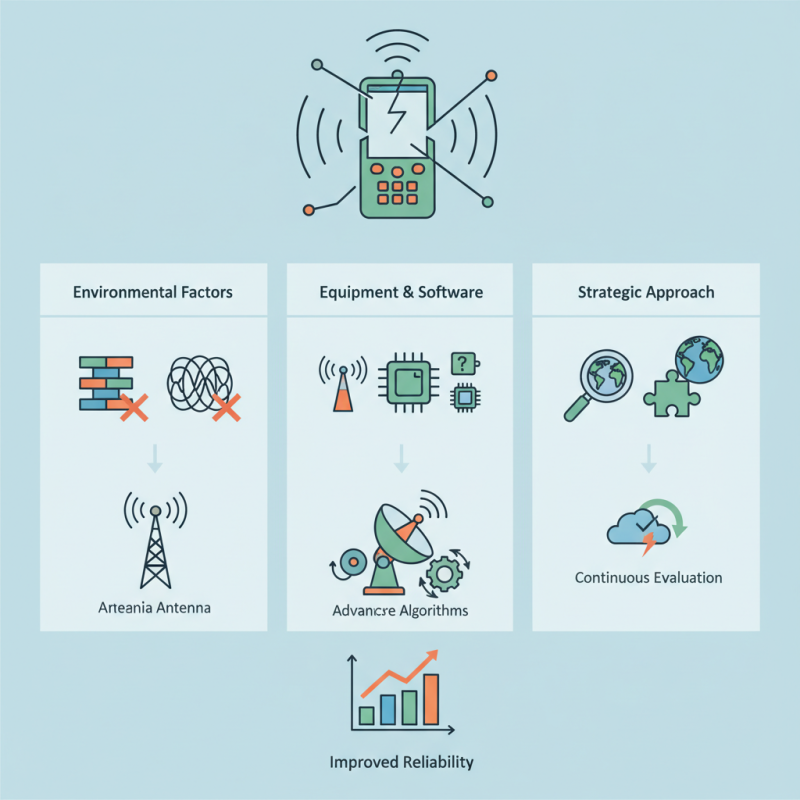
Signal loss in portable 5G control terminals is a common challenge. Factors like distance from cell towers and physical obstructions can impact performance. Metal structures or dense materials can block signals. Additionally, environmental conditions such as heavy rain or extreme temperatures might interfere with connectivity.
Understanding these issues is crucial for effective troubleshooting. Regularly checking the terminal's location can reveal if it's too far from a 5G signal. Users often overlook simple adjustments. Sometimes, just changing the orientation of the device can enhance signal strength. Inspecting for any potential physical obstructions in the area can lead to significant improvements.
It's also essential to consider software factors. Outdated firmware may affect performance. Regular updates can help maintain optimal functionality. Learning about the terminal’s signal indicators can provide insights into its current status. These reflections on user practices can foster better connectivity outcomes in the future.
Signal loss in portable 5G control terminals can be frustrating for users. Understanding the common causes of this issue is crucial for effective troubleshooting. A primary reason for signal loss often stems from physical obstructions. Buildings, trees, and even vehicles can hinder the robust 5G signal. Users should assess their surroundings and find open spaces for better connectivity.
Another common cause relates to device configuration. Sometimes, incorrect settings can lead to poor performance. Ensuring that the device’s software is updated can significantly improve functionality. Additionally, environmental factors like weather can disrupt signals. Heavy rain or thunderstorms can cause disruptions, affecting connectivity. It is important to be aware of these conditions.
User habits also play a role in signal strength. Holding the device incorrectly, or placing it in pockets, can block signals. Users may not realize that certain positions affect reception. Frequent disconnections might indicate a need for an external antenna. Additionally, locating terminals near windows can often enhance signal acquisition. Recognizing these factors can help users improve their 5G experience.
Signal loss in portable 5G control terminals can significantly impact operational efficiency. According to the Global Mobile Operators report, 80% of users experience intermittent connectivity. This statistic highlights the critical need for effective troubleshooting.
Begin diagnosing signal loss by checking the terminal's location. Structures and natural obstacles can block signals. Consider environmental factors such as trees or buildings that might impede reception. Another important step involves verifying device settings. Ensure that the terminal is configured for the correct frequency bands. Misconfigurations can lead to poor connectivity.
Monitoring signal strength can also provide valuable insights. Tools like spectrum analyzers can measure the strength in real-time. Reports indicate that weak signals correlate with increased latency, affecting performance. Reflect on how often signal issues arise in your operations. Identifying patterns can help prioritize solutions. By focusing on these steps, you can systematically address signal loss and enhance terminal performance.
Signal loss in portable 5G control terminals can be a frustrating issue. According to recent industry reports, up to 40% of users experience connectivity problems in certain environments. Understanding how to effectively restore 5G signal strength is crucial for seamless operation.
One solution involves optimizing the terminal placement. Elevating the device can significantly enhance signal reception. Studies show that signal strength improves by about 30% when terminals are positioned higher. Additionally, avoiding physical obstacles, such as walls or large metallic objects, can mitigate signal interference. Users should also monitor the terminal's orientation; even slight adjustments can impact performance.
Another effective strategy is leveraging signal boosters or repeaters. These devices can amplify weak signals, especially in remote areas. Research highlights that users report a 50% increase in connectivity after employing such technology. However, it’s essential to choose the right booster compatible with 5G networks. Regular maintenance checks for software updates and hardware functionality are equally important. Recognizing and addressing these areas can lead to better performance, but the journey to stable connectivity often requires ongoing efforts and adjustments.
Signal loss in portable 5G control terminals can be frustrating. Preventative measures are crucial to minimize future issues. According to a recent report by the International Telecommunication Union (ITU), over 30% of users experience intermittent connectivity problems. These disruptions often arise from environmental factors or device limitations.
One effective strategy is site selection. Placing terminals in locations with minimal obstruction greatly enhances performance. Data from a study by the National Institute of Standards and Technology (NIST) suggests that signal strength drops by as much as 50% in urban environments due to building interference. Users should assess their surroundings. Identifying potential barriers like trees, buildings, or even crowds can improve signal reliability.
Regular maintenance is another essential aspect. Cleaning connections and updating firmware can enhance device efficiency. A report by the Telecommunications Industry Association (TIA) found that outdated hardware contributes to 25% of signal loss incidents. Users must invest in routine checks and updates. This proactive approach ensures that terminals operate at optimal levels, thereby reducing the risk of signal issues.
: Signal loss often results from distance from cell towers and physical obstructions like walls or metal structures.
Elevate the terminal and avoid obstacles. Simple placement changes can improve signal reception significantly.
Environmental conditions, such as heavy rain or extreme temperatures, can lead to connectivity problems.
Yes, outdated firmware can impact performance. Regular updates ensure optimal functionality and help avoid issues.
Walls, large objects, or dense materials can block signals. Identifying and removing barriers can improve reception.
Signal boosters can enhance weak signals and have been reported to increase connectivity by 50% in some cases.
It's essential to select a booster compatible with 5G networks for the best results.
Choosing locations with fewer obstructions can prevent up to 50% of signal strength loss and enhance overall performance.
Regularly clean connections and update firmware to maintain device efficiency and reduce signal loss risks.
Overlooking simple adjustments or neglecting to check the device's location can hinder connectivity improvements.
The article "How to Fix Signal Loss in Portable 5G Control Terminals" delves into the intricacies of signal loss experienced in 5G devices. It begins by helping readers understand the nature of signal loss and identifies common causes that may disrupt connectivity. Factors such as environmental interference, device malfunctions, and inadequate signal coverage are discussed.
To provide a comprehensive guide on how to fix signal loss in portable 5G control terminals, the article outlines systematic steps for diagnosing issues and effective solutions to restore signal strength. These solutions may include repositioning the device, updating software, or utilizing signal boosters. Additionally, the article emphasizes the importance of preventative measures to mitigate the risk of future signal loss, ensuring reliable performance in 5G connectivity.
HawkEye Camera