Why is Gyro Stabilization Crucial for Shipborne Cameras?

Time:2026-05-28 Author:Amelia
0%

Gyro stabilization plays a pivotal role in enhancing the performance of shipborne cameras. It addresses the natural motion of a vessel at sea, ensuring clarity in image capture. When waves crash and the ship sways, the camera's stability wavers. This raises the question: why is gyro-stabilization important for shipborne cameras? The answer lies in the precision it offers.

Without gyro stabilization, footage can become shaky and unstable. This instability can hinder crucial operations like surveillance, monitoring marine life, or documenting hazardous conditions. A steady image is vital for effective analysis and decision-making. Many users may underestimate the importance of this technology until faced with blurry results. The complexity of maritime environments demands reliable tools.

Moreover, the implementation of gyro stabilization isn't without its challenges. It requires careful calibration and integration, which some may overlook. As technology evolves, staying updated on advancements in gyro stabilization is essential. In the maritime sector, having dependable camera systems can bridge the gap between successful missions and failure. Thus, understanding gyro stabilization’s significance can greatly impact operational outcomes.
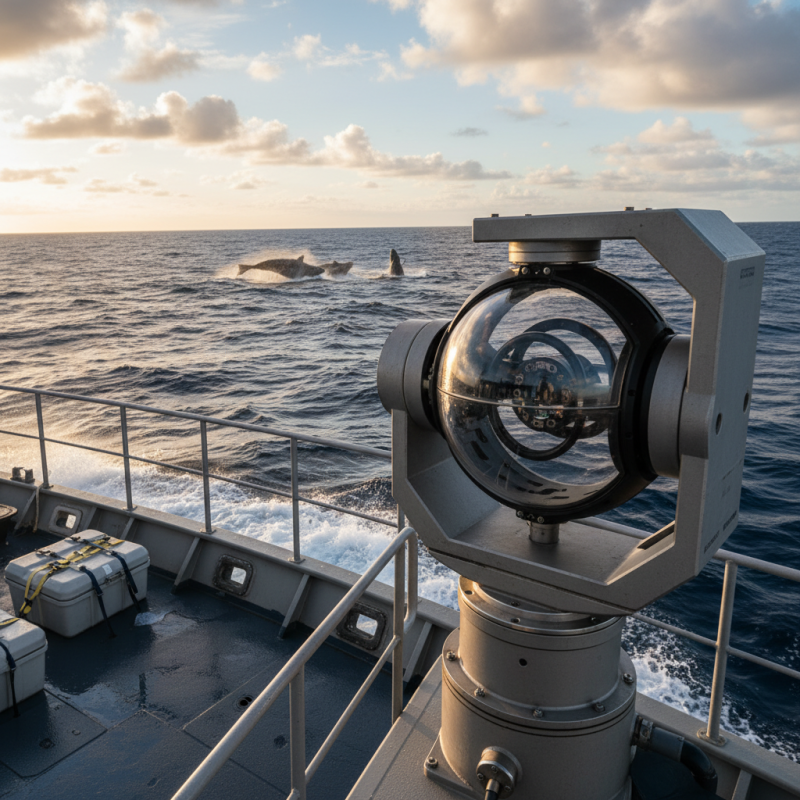
Why is Gyro Stabilization Crucial for Shipborne Cameras?

The Importance of Gyro Stabilization in Shipborne Camera Systems

Gyro stabilization plays a vital role in shipborne camera systems. As ships navigate turbulent waters, the constant motion can severely impact image quality. Vibrations and shaking often lead to blurry or distorted footage, making it difficult to capture precise details. Gyro stabilization effectively counteracts these movements, ensuring smoother and clearer images.

Moreover, the technology provides stability even in extreme conditions. For example, during harsh weather or rough seas, a camera without gyro stabilization would struggle to deliver usable footage. The gyro system detects motion and adjusts in real-time. It minimizes unwanted camera shakes, allowing operators to focus on capturing important moments. This is essential for both navigation and documentation purposes.

However, implementing gyro stabilization isn't without challenges. Users must understand how to calibrate and maintain the system properly. Misalignment can lead to inconsistent performance, causing frustration during critical missions. Continuous learning and adaptation are necessary to master this technology. As with any specialized equipment, there is always room for improvement and innovation in gyro stabilization techniques.

Why is Gyro Stabilization Crucial for Shipborne Cameras? - The Importance of Gyro Stabilization in Shipborne Camera Systems

Aspect Description Impact
Image Clarity Reduces motion blur during image capture Improved video quality for surveillance and documentation
Stability in Rough Seas Compensates for ship movement and wave disturbances Consistent imaging in challenging environments
Ease of Use User-friendly operation with minimal manual adjustment Reduced operator fatigue and training time
Cost Efficiency Decreases the need for expensive post-processing Saves time and resources in video production
Versatility Applicable in various maritime conditions and angles Enhanced functionality for diverse operational needs

Understanding the Basics of Gyro Stabilization Technology

Gyro stabilization technology is essential for shipborne cameras. It minimizes motion blur and improves image clarity. According to a report by the International Maritime Organization, nearly 80% of maritime incidents occur due to human error and poor visibility. Enhanced stabilization can significantly reduce errors in capturing important data and footage at sea.

Research indicates that gyro-stabilized systems can increase the quality of footage by up to 70%. This improvement is crucial for maritime surveillance and search-and-rescue missions. Motion impacts can lead to shaky images, undermining vital information. Data from the Marine Technology Society highlights that stable visual output informs better decision-making during critical operations.

Despite advancements, there are challenges. Gyro systems can be costly and complex to install. Additionally, they require regular calibration. Neglecting these aspects may lead to decreased effectiveness over time. Continuous monitoring evaluates performance but can strain available resources. Balancing costs and benefits is a key consideration in adopting this technology for marine applications.

Effects of Ship Motion on Camera Stability and Image Quality

Ship motion is a challenge for camera stability, affecting image quality significantly. According to the International Maritime Organization, ships experience pitch, roll, and yaw, which can lead to disruptive vibrations. These movements can cause motion blur in photos and videos, making them unusable. In rough seas, even slight movements can result in a loss of critical details.

Gyro stabilization is essential for counteracting these effects. It helps maintain a steady image by offsetting the ship's motion. Industry studies indicate that gyro-stabilized systems can reduce camera shake by up to 80%. This increase in stability leads to clearer images and improved video quality. Moreover, with proper stabilization, operators can achieve consistent results in varying conditions, which is crucial for tasks like surveillance and reconnaissance.

However, the technology is not foolproof. Environmental factors can still impact stabilization effectiveness. Factors such as wind speed and water turbulence may overwhelm gyro systems. Moreover, the complexity of integrating these systems can pose installation challenges. As the demand for high-quality imaging grows, continuous innovation in gyro technology is necessary to address these limitations.

Applications of Gyro Stabilization in Maritime Operations

Gyro stabilization plays a vital role in enhancing the performance of shipborne cameras. In maritime operations, seas can be unpredictable. Waves and wind can create significant movement, which impacts image quality. A stable platform is essential for capturing clear imagery. This is where gyro stabilization becomes useful. It uses sensors to counteract motion, ensuring steady footage.

Applications of this technology are vast. For instance, in search and rescue missions, clarity can save lives. High-quality images assist in locating individuals in distress. Surveillance operations benefit as well. A steady camera allows for better monitoring of vessels and coastlines. In marine research, scientists rely on accurate data captured by stabilized cameras. This data is crucial for studying marine environments.

Despite its advantages, gyro stabilization is not flawless. It might require frequent calibration, especially under harsh conditions. Sometimes, the system may struggle with rapid movements. Operators need to recognize these limitations. Overall, gyro stabilization is a game-changer in maritime operations, promoting both reliability and accuracy in capturing essential visuals.

Challenges and Limitations of Gyro Stabilization in Shipborne Cameras

Gyro stabilization is essential for shipborne cameras, primarily due to the challenges posed by turbulent marine environments. Ships often experience significant rolling and pitching, making steady image capture difficult. Without proper stabilization, footage can appear shaky and unprofessional. Gyro systems help mitigate these effects, but they are not infallible.

One significant limitation is the sensor's sensitivity to extreme motion. High-speed maneuvers can overwhelm gyro stabilizers, leading to distorted images. Environmental factors can also interfere. Water splashes or vibrations from the ship’s engine can affect stabilization performance. This means that even sophisticated gyro systems have a breaking point. Operators must remain vigilant, adjusting techniques based on conditions.

Another challenge lies in the calibration of the system. Gyros require precise tuning for optimal performance. If improperly set, they can introduce latency or inaccuracies in image stabilization. This risk can be frustrating, especially during critical operations. Skilled operators must constantly assess and adapt their stabilization approaches to ensure high-quality results. Achieving the perfect balance between stabilization and responsiveness remains a work in progress.

FAQS

: What is the main challenge of ship motion on cameras?

: Ship motion creates vibrations that significantly affect camera stability and image quality.

How does gyro stabilization work in maritime environments?

Gyro stabilization uses sensors to counteract the ship’s motion, ensuring steady footage and clearer images.

Why is stability important for shipborne cameras?

Stability is crucial for capturing clear imagery, especially in unpredictable maritime conditions like waves and wind.

Can gyro stabilization completely eliminate motion blur?

No, gyro stabilization cannot completely eliminate motion blur due to environmental factors like wind and water turbulence.

What are the benefits of using gyro-stabilized systems?

Gyro-stabilized systems can reduce camera shake by up to 80%, leading to improved image and video quality.

Are there limitations to gyro stabilization technology?

Yes, it may require frequent calibration and can struggle with fast movements, which can hinder performance.

How does poor image quality affect maritime operations?

Poor image quality can lead to critical information loss, impacting operations like search and rescue missions.

What role does gyro stabilization play in marine research?

It captures accurate data that is vital for studying and understanding marine environments.

How does the demand for high-quality imaging influence gyro technology?

The need for better imaging drives continuous innovation in gyro stabilization to overcome current limitations.

What should operators be aware of regarding gyro stabilization?

Operators need to recognize that gyro systems have limitations and may not perform flawlessly in all conditions.

Conclusion

Gyro stabilization plays a vital role in enhancing the performance of shipborne cameras, making it crucial for various maritime applications. Understanding why gyro-stabilization is important for shipborne cameras lies in its ability to counteract the effects of ship motion, which can significantly degrade image quality. The technology works by using gyroscopic sensors to detect and compensate for unwanted movements, thereby providing steady and clear footage even in turbulent maritime conditions.

The applications of gyro stabilization are diverse, ranging from maritime surveillance and search-and-rescue operations to wildlife monitoring and scientific research. However, challenges such as system complexity and limitations in extreme conditions must be addressed to optimize the technology's effectiveness. Overall, gyro stabilization not only improves image quality but also enhances operational efficiency in the dynamic environment of maritime operations.

Amelia

Amelia

Amelia is a seasoned marketing professional with a wealth of expertise in our company’s core offerings. With an unwavering passion for driving growth and innovation, she plays a pivotal role in shaping our marketing strategies and enhancing brand visibility. A key aspect of her responsibilities......