Maintaining outdoor pan-tilt units in extreme weather is crucial. These devices are vital for surveillance and monitoring. Dr. Emily Tran, a leading expert in outdoor surveillance technology, states, “Proper maintenance ensures optimal performance under any conditions.” Her insights guide many in our industry.
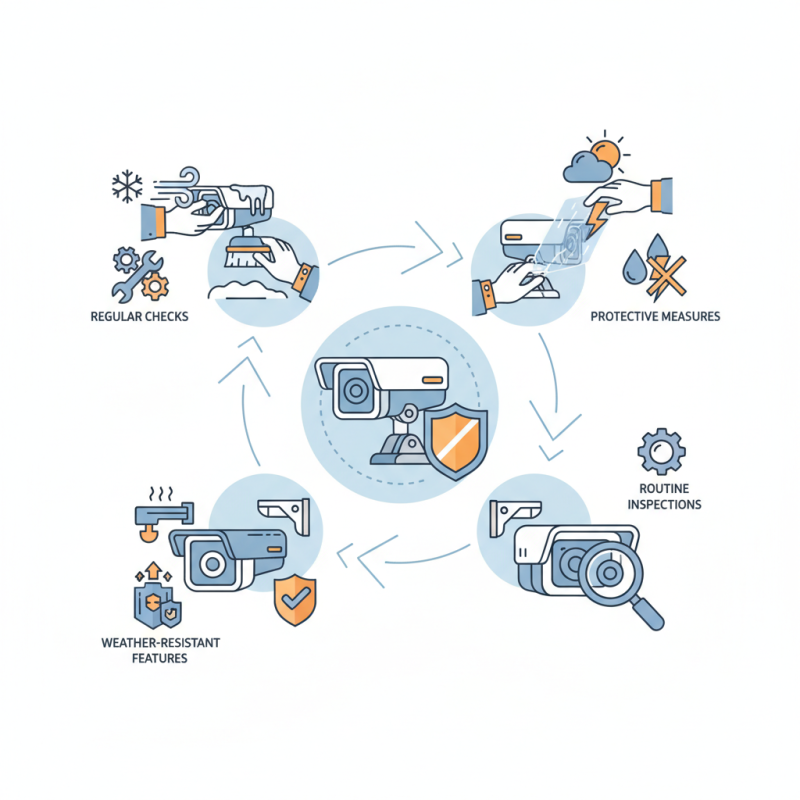
Extreme weather can impact these units dramatically. Heavy rain, snow, or high winds can cause malfunction. Regular checks and protective measures can help avoid serious issues. Yet, many overlook these simple steps. This oversight can lead to costly repairs and downtime, highlighting the need for better awareness.
Moreover, the unique challenges posed by severe weather require a proactive approach. Implementing weather-resistant features can enhance durability. However, even the best units need attention. Experts stress the importance of routine inspections. Neglecting maintenance can result in unfit conditions for operation, leading to potential failures. Understanding how to maintain outdoor pan-tilt units in extreme weather ensures they serve their purpose effectively and reliably.
Outdoor pan tilt units (PTZ) are essential for surveillance and monitoring tasks. They allow for real-time movement and adjustability in various environments. According to recent reports, around 30% of security systems utilize PTZ technology for their dynamic monitoring capability. These units can pivot, tilt, and zoom to provide comprehensive coverage.
However, extreme weather can challenge the functionality of these outdoor devices. Rain, snow, and extreme temperatures affect performance. To mitigate these risks, choosing weatherproof housing is crucial. Ensuring proper installation is equally important. An improperly placed unit may be more vulnerable to damage.
**Tip:** Regular maintenance checks are vital. Clean lenses and inspect for wear and tear. Additionally, it’s beneficial to use heaters in colder climates. This can prevent internal condensation.
Some users may overlook the importance of firmware updates. Outdated software can lead to vulnerabilities. Staying informed about the latest developments and solutions ensures reliability in challenging conditions. It's a small effort that can have a significant impact on overall performance.
Extreme weather can greatly affect the performance of pan tilt units. High winds, heavy rain, and extreme temperatures can cause mechanical stress and reduce operational efficiency. Wind can knock a unit off its axis, making it difficult to capture clear images. Heavy rain can lead to water ingress, damaging internal components. Low temperatures may cause the gear mechanisms to freeze, hindering movement.
Regular maintenance is crucial in mitigating these impacts. Inspect seals and gaskets for wear. Ensure all moving parts are lubricated adequately. Consider using protective housing to shield units from harsh elements. Keep electronic components warm during cold spells. After severe weather, a thorough check of the unit is essential. Operators should be aware of these risks and perform necessary adjustments.
Ignoring these factors can lead to costly repairs. Outdoor pan tilt units require proactive care. Operators must stay informed about weather changes. Being prepared can help maintain performance and extend the life of the unit.
Maintaining outdoor pan tilt units in cold weather requires careful attention. Extreme temperatures can freeze components, causing failures. Regular inspections can help identify potential issues early. The joints and motors need lubrication to prevent seizing. Use a suitable grease that can withstand low temperatures.
Battery performance often declines in the cold. Check the batteries regularly and consider using heaters for critical components. Ensure that all seals and gaskets are intact. A small crack can lead to moisture ingress, causing further damage. It's vital to keep the units clean, removing any ice or snow buildup. This can obstruct movement and lead to mechanical failures.
In some cases, the equipment may need a functional check after extreme weather events. Conduct visual inspections before usage. Be prepared to take extra time for troubleshooting. Recognizing wear and tear early can save on costly repairs later. It's a continuous learning process, and having a detailed maintenance log can be beneficial. Each season brings new challenges, and staying proactive is essential.
This chart illustrates the importance of various maintenance practices for outdoor pan tilt units in extreme cold weather conditions. Each practice is rated on a scale of 1 to 10, where a higher score indicates greater importance.
Maintaining outdoor pan tilt units during extreme weather is crucial for ensuring their longevity and functionality. High temperatures and humidity can severely impact these devices. According to a report by the National Oceanic and Atmospheric Administration (NOAA), heat and humidity can cause equipment failures if not properly managed.
To protect your units, consider implementing thermal insulation. It can help regulate temperature fluctuations. Equipment should be covered with breathable materials that allow moisture evaporation. This aspect is vital in areas with consistently high humidity, where condensation can lead to corrosion.
Regular maintenance is also essential. Schedule check-ups every few months to examine seals and gaskets. Replace worn parts promptly to prevent heat or moisture infiltration. A study from the International Society of Automation found that routine inspection reduces failure rates by up to 30%.
Tip: Always monitor the local weather conditions closely. Understanding humidity trends can aid in preemptive maintenance planning.
Avoid placing units in direct sunlight without shielding. This exposure can amplify heat exposure. Use reflective coatings or enclosures that resist UV rays.
Tip: Stay aware of the signs of heat stress. Look for unusual noises or erratic movements in the units. Timely action can save you from costly repairs.
| Strategy | Description | Effectiveness | Maintenance Frequency |
|---|---|---|---|
| Regular Inspection | Conduct monthly inspections to check for signs of wear or damage. | High | Monthly |
| Cooling Systems | Install cooling fans or heat sinks to reduce overheating. | Medium | Seasonal |
| Weather Shields | Use protective covers to shield units from outdoor elements. | High | As needed |
| Moisture Control | Ensure proper drainage and use dehumidifiers in high humidity areas. | High | Bi-monthly |
| Routine Cleaning | Clean units regularly to remove dust and debris. | Medium | Weekly |
In extreme weather, regular inspection and testing of outdoor pan tilt units are crucial. These units are often exposed to harsh elements like high winds, torrential rain, and extreme temperatures. Over time, these conditions can damage critical components. Structure failures or electrical issues can lead to operational downtime. Professionals emphasize the need for routine checks to ensure functionality.
Proper maintenance involves visual inspections to identify rust or wear. Testing the functionality of motors and gears also helps prevent future breakdowns. Small signs of degradation may go unnoticed but can lead to significant problems later. Keeping a maintenance log can be beneficial. Documenting findings helps track the unit's performance over time.
Weather can be unpredictable. Some areas experience sudden storms, which may catch operators off guard. Regular testing can reveal vulnerabilities before they escalate into major failures. Ignoring these inspections can result in unexpected expenses and prolonged service outages. It's better to proactively address issues than to react after a breakdown occurs.
: PTZ units are essential for surveillance. They allow real-time movement and adjustability in various environments.
Reports indicate around 30% of security systems utilize PTZ technology for dynamic monitoring.
Rain, snow, and extreme temperatures can affect performance. They may freeze or cause mechanical issues.
Weatherproof housing and proper installation are crucial to mitigate risks and ensure functionality.
Regular inspections, lubrication of joints, and using heaters for components can prevent failures.
Outdated software can create vulnerabilities, impacting performance. Staying updated ensures reliability.
Conduct visual inspections and functional checks to identify potential issues before reusing the equipment.
A maintenance log helps track performance over time and can reveal degradation patterns requiring attention.
Ignoring inspections can lead to unexpected expenses and prolonged service outages due to unresolved issues.
Ice or snow buildup can obstruct movement and lead to mechanical failures if not removed regularly.
To effectively address how to maintain outdoor pan-tilt units in extreme weather, it's crucial to start by understanding their functions and vulnerabilities. Extreme conditions, whether extreme cold or high temperatures, pose significant challenges to these units' performance. To combat cold weather, essential maintenance practices include ensuring adequate heating mechanisms and using lubricants that remain effective in low temperatures. Conversely, in high heat and humidity, implementing protective measures such as heat shields and moisture barriers can prolong the unit's lifespan.
Regular inspection and testing are vital for ensuring long-term reliability in harsh environments. This proactive approach minimizes potential failures and keeps the units operational regardless of the weather conditions. By following these guidelines, operators can significantly enhance the durability and functionality of outdoor pan-tilt units, ensuring they remain effective under extreme weather circumstances.

HawkEye Camera