How to Secure Wireless Video Streams from Hacking Threats?

Time:2026-05-22 Author:Liam
0%

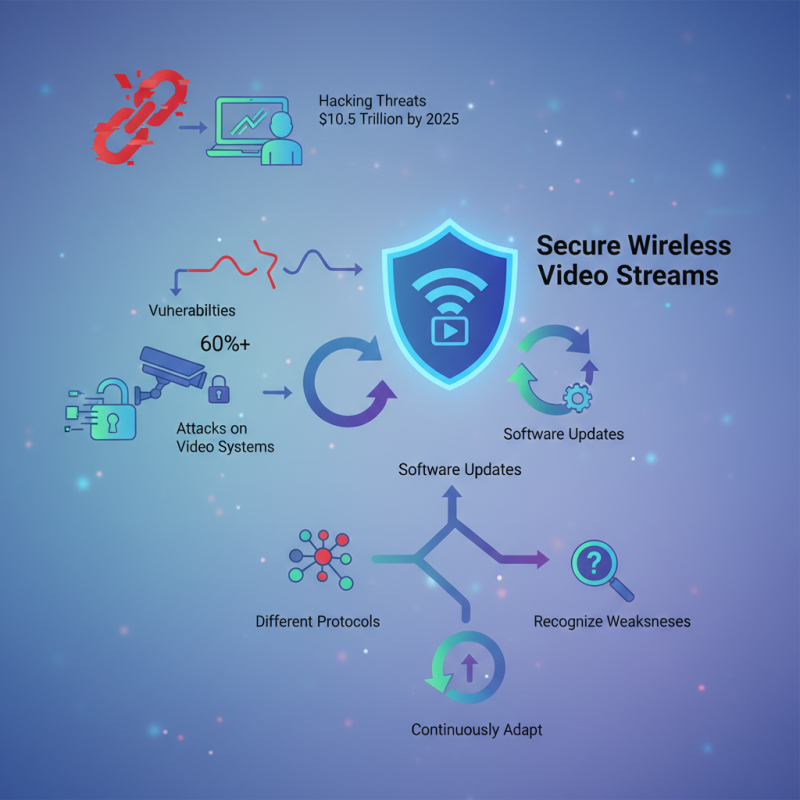
In today's digital landscape, securing wireless video streams from hacking is critical for both businesses and consumers. According to a recent report by Cybersecurity Ventures, cybercrime is predicted to cost the world $10.5 trillion annually by 2025. This statistic underscores the urgency of addressing vulnerabilities in video streaming technology, an industry increasingly targeted by hackers.

Wireless video systems transmit data over the air, making them susceptible to interception. A report by the Ponemon Institute reveals that over 60% of organizations have faced attacks on their video surveillance systems. These breaches can lead to unauthorized access and significant financial loss. Thus, knowing how to secure wireless video streams from hacking is essential for maintaining privacy and trust in these technologies.

Effective security measures include robust encryption and regular software updates. A lack of different protocols can create gaps in defenses that hackers exploit. While some companies have made strides in securing their video streams, many still fall short. It is crucial to recognize potential weaknesses and continuously adapt strategies to stay protected in an evolving threat landscape.
How to Secure Wireless Video Streams from Hacking Threats?

Understanding the Security Risks of Wireless Video Streams

Wireless video streams have become integral to many homes and businesses. However, they are not without vulnerabilities. Understanding these risks is crucial. Cybercriminals often exploit weak security protocols to gain access to video feeds. This could lead to severe privacy breaches and unauthorized surveillance.

One major concern is the use of outdated encryption methods. Many devices still use WEP or weak WPA protocols. These can be easily compromised. Insecure networks may also allow for man-in-the-middle attacks. An attacker could intercept data transmission between the camera and the viewer. This can happen without anyone noticing, making it even more alarming.

Moreover, improperly configured devices increase these risks. Users may overlook important settings or fail to change default passwords. As a result, their systems remain open to attacks. It is essential to regularly update firmware and security settings to mitigate these threats. Awareness of potential risks is a vital step towards preventing unauthorized access and ensuring the integrity of wireless video streams.

How to Secure Wireless Video Streams from Hacking Threats? - Understanding the Security Risks of Wireless Video Streams

Risk Factor Description Mitigation Strategies
Eavesdropping Unauthorized interception of video signals. Use encryption protocols like WPA3; utilize VPNs.
Unauthorized Access Intruders gain control over the video streaming device. Implement strong, unique passwords; enable two-factor authentication.
Signal Jamming Purposeful disruption of wireless signals that can cause video loss. Utilize frequency-hopping techniques and alternative frequencies.
Malware Attacks Installation of malicious software to disrupt services. Regularly update firmware; use reputable cybersecurity software.
Data Privacy Breaches Sensitive video content is accessed by unauthorized parties. Implement data encryption; regularly audit access logs.

Best Practices for Securing Wireless Network Connections

In today's digital landscape, securing wireless video streams is paramount. A critical step is to strengthen the wireless network connections utilized for these streams. One effective method is to implement WPA3 encryption. This advanced security protocol offers improved protection against unauthorized access, making it much harder for hackers to intercept video feeds.

Changing default passwords is often overlooked but essential. Many users retain factory settings, providing easy access for cybercriminals. Regularly updating passwords strengthens security, deterring potential threats. Additionally, consider using a VPN. This adds an extra layer of security by encrypting the data transmitted over the network.

Monitoring the network for unusual activity is vital. Keeping an eye on connected devices can help identify any unauthorized access. Regular firmware updates for your wireless router also play a critical role in security. Outdated software can have vulnerabilities that hackers exploit. Reflecting on these practices will bolster your security posture significantly. Every step contributes to a more secure streaming environment.

Best Practices for Securing Wireless Video Streams

This chart displays the effectiveness of various practices for securing wireless video streams against hacking threats.

Encryption Techniques for Protecting Video Data Transmission

Wireless video streams can be vulnerable to hacking threats. Thus, using strong encryption techniques is critical for securing video data transmission. Encryption transforms data into unreadable formats. Only authorized users can decode it. Common methods include AES and RSA, both renowned for their security. Employing these can significantly enhance the safety of your video feed.

Tips: Regularly update your encryption protocols. Outdated systems may expose you to risks. Consider using end-to-end encryption for an added layer of protection. This ensures that only the sender and receiver can access the content.

Incorporating multi-factor authentication adds another barrier. It decreases the likelihood of unauthorized access. However, the effectiveness of encryption hinges on correct implementation. Flaws may arise if settings are misconfigured. Hence, review your encryption setup periodically to adapt to new threats. Implementing these techniques can foster a reliable environment for your video streams.

Implementing Strong Authentication Methods for Access Control

Wireless video streams are increasingly vulnerable to hacking threats. Securing them is essential for maintaining privacy and safety. One effective strategy is implementing robust authentication methods for access control. Research shows that 90% of data breaches are due to weak passwords. Thus, strong authentication can significantly mitigate risks.

Using multi-factor authentication (MFA) adds an extra layer of security. It requires users to provide two or more verification factors to access video streams. Reports indicate that MFA can prevent up to 99.9% of automated cyber-attacks. Passwords alone are no longer adequate; they must be complemented by additional methods like biometric scans or OTPs (one-time passwords).

Tips for improving security:

  • Regularly update passwords, using complex combinations.
  • Engage in periodic security training for users to recognize potential threats.
  • Audit access controls frequently to identify vulnerabilities.

Despite these measures, some systems may still be compromised if not monitored continuously. Regular updates and assessments of security protocols are necessary. The digital landscape evolves quickly, and staying ahead of potential threats requires vigilance and adaptability.

Regular Monitoring and Updates to Maintain System Security

Maintaining the security of wireless video streams requires diligent monitoring and regular updates. According to a report by the Ponemon Institute, 54% of organizations have experienced a cyber attack in the past year. This statistic emphasizes the urgent need for robust security measures. Regularly assessing and updating your security protocols can significantly reduce vulnerability. Routine checks can identify potential flaws before they are exploited, making it essential for organizations to stay proactive.

In addition to regular monitoring, software updates play a crucial role in securing wireless video systems. Cybersecurity firm Cybersecurity Ventures predicts that cybercrime will cost the world over $10.5 trillion annually by 2025. Therefore, unpatched vulnerabilities can become gateways for hackers. It is critical to implement updates as soon as they are released. Many systems allow for automatic updates, which can help mitigate the risk of human error.

Involving a team to oversee system security can also be beneficial. Human oversight encourages ongoing assessments and fosters a culture of security awareness. However, even the best teams may overlook certain aspects. A recent study showed that 34% of IT professionals lack confidence in their organization’s ability to combat security threats. This highlights the need for continuous training and education. A well-informed team is better equipped to handle potential risks efficiently.

FAQS

: What are the main security risks associated with wireless video streams?

: Wireless video streams can be vulnerable to cybercriminals exploiting weak security protocols, leading to privacy breaches.

Why is outdated encryption a concern for wireless video streams?

Many devices use WEP or weak WPA protocols, which can be easily compromised by attackers.

How can attackers intercept data streams?

Attackers may use man-in-the-middle attacks to intercept data between the camera and the viewer unnoticed.

What should users do to secure their devices?

Users should change default passwords, regularly update firmware, and check configurations to improve their security.

Why is WPA3 encryption beneficial?

WPA3 encryption offers greater protection against unauthorized access, making it harder for hackers to intercept video feeds.

How often should passwords be updated?

Regularly updating passwords strengthens security and can deter potential threats.

What role does monitoring the network play in security?

Monitoring network activity helps identify any unauthorized access to connected devices.

What encryption methods are recommended for video data?

AES and RSA are common methods; they enhance the security of video feeds significantly.

How can multi-factor authentication help?

Multi-factor authentication adds an additional layer of security, reducing the likelihood of unauthorized access.

Why is reviewing encryption setups important?

Periodic reviews are necessary to adapt to new threats and ensure effective protection against hacking attempts.

Conclusion

In today's digital landscape, ensuring robust security for wireless video streams is paramount for protecting sensitive data from hacking threats. To effectively address the question of how to secure wireless video streams from hacking, it is crucial to first understand the various risks associated with these connections. Implementing best practices for securing wireless network connections, such as using strong passwords and ensuring networks are hidden, lays the groundwork for enhanced security.

Furthermore, employing encryption techniques to protect video data during transmission is essential for safeguarding against unauthorized access. Additionally, implementing strong authentication methods for access control can significantly reduce the risk of breaches by ensuring that only authorized users can access the video streams. Finally, regular monitoring and updates are crucial in maintaining system security, as they help identify vulnerabilities and protect against emerging threats. By following these guidelines, users can better secure their wireless video streams from potential hacking risks.

Liam

Liam

Liam is a dedicated marketing professional with a profound expertise in the industry, where he excels at highlighting the unique advantages of our core products. With a keen understanding of market trends and consumer needs, Liam frequently updates our company’s professional blog, providing......