In the realm of modern policing, the choice between a PTZ (pan-tilt-zoom) camera and a fixed camera can significantly impact operational effectiveness. Research by the International Association of Chiefs of Police (IACP) indicates that 70% of law enforcement agencies have adopted advanced camera technologies, reflecting a shift towards more versatile surveillance solutions. A PTZ camera offers capabilities that fixed cameras simply cannot match. They provide dynamic coverage, allowing officers to track subjects in real time.
"Why use a PTZ camera instead of a fixed camera for police cars?" asks Dr. Angela Morris, a leading expert on law enforcement technologies. She asserts, "PTZ cameras enhance situational awareness and allow for proactive responses." This level of adaptability is vital, especially during high-pressure situations where fixed cameras might miss crucial details.
Moreover, incorporating PTZ technology can lead to better evidence collection in criminal investigations. However, the transition to PTZ systems comes with challenges. Training officers to use these advanced systems effectively is essential, but it can require significant resource investment. Balancing technological advancement with practical implementation remains an ongoing discussion in law enforcement circles.
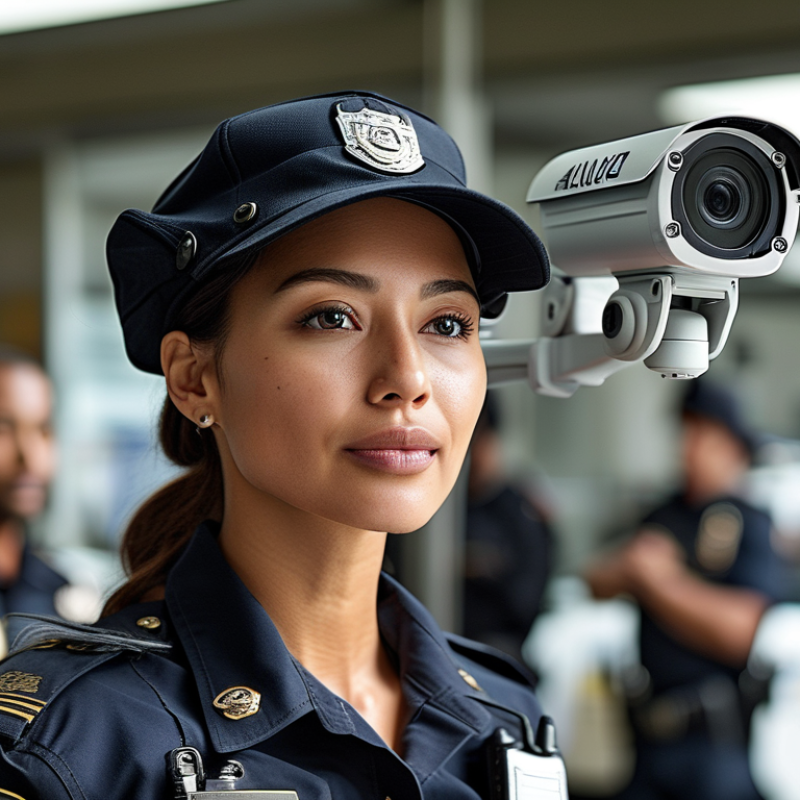
PTZ cameras provide unique advantages for law enforcement, especially in police cars. The ability to pan, tilt, and zoom allows officers to capture critical details from different angles. Such flexibility is vital during dynamic situations where every moment counts. A fixed camera might miss the action as it cannot adapt to changing circumstances. PTZ cameras ensure that officers have a comprehensive view of their surroundings.
The integration of PTZ cameras into police vehicles enhances situational awareness. Officers can zoom in on a suspect or an incident, gathering key evidence without leaving their post. The quality of footage is often superior, which is crucial for investigations. However, the complexity of operating these cameras can be a concern. Officers need adequate training to utilize them effectively, ensuring that the technology meets its potential.
Moreover, while PTZ cameras can be effective, they are not infallible. They rely on connectivity and power, which can sometimes be unreliable in high-pressure situations. Moreover, the momentary delay in adjusting angles may result in missed opportunities. Continual evaluation of their effectiveness in real-world applications is necessary to ensure they serve as valuable tools for law enforcement.
PTZ cameras, or Pan-Tilt-Zoom cameras, provide advanced surveillance capabilities that fixed cameras cannot match. Their ability to rotate, tilt, and zoom allows law enforcement to monitor larger areas effectively. A study from the International Association of Chiefs of Police found that using PTZ cameras can increase situational awareness by up to 50%. This versatility is crucial for police cars that require constant surveillance in dynamic environments.
In addition to their mobility, PTZ cameras offer enhanced detail in images. They can zoom in on a specific subject from a distance, capturing clear and actionable footage. Research from the Security Industry Association indicates that video quality is a key factor in investigations. With PTZ cameras, officers can gather evidence that is much more reliable. However, it is essential to recognize that managing these cameras requires training. Operators may face challenges in maintaining optimal focus and tracking moving targets.
While the benefits of PTZ cameras are promising, there are potential drawbacks. The complexity of operation can lead to user error, which may affect surveillance quality. Additionally, these systems can be costly to implement and maintain. Continuous technological advancements also mean that equipment can quickly become outdated. Police departments must weigh these factors carefully when integrating PTZ cameras into their fleets.
PTZ cameras offer significant advantages for police cars, particularly in diverse environments. Their flexibility allows officers to zoom in on specific incidents, providing clear visuals and specific details. Unlike fixed cameras, PTZ systems can pan and tilt, adapting to various situations quickly. This feature is crucial during pursuits or when monitoring crowded areas. Officers can adjust the camera's view in real-time, capturing critical moments that might otherwise go unnoticed.
In unpredictable scenarios, adaptability becomes key. For instance, in a fast-changing incident, a PTZ camera can shift focus dynamically. Imagine a police response to a public event where crowd movements are unpredictable. With a PTZ camera, law enforcement can track specific individuals or areas as needed. However, challenges can arise. Officers must be trained to operate these systems effectively, as misuse can lead to missed evidence. It's essential to acknowledge that while these cameras enhance situational awareness, they also require a commitment to continual learning and adaptation by police personnel.
The decision to equip police cars with PTZ cameras instead of fixed cameras can significantly impact budget planning. PTZ cameras offer versatility that fixed ones cannot match. They can pan, tilt, and zoom, allowing for a wider range of coverage from a single unit. This flexibility can reduce the number of cameras needed, leading to cost savings.
Moreover, PTZ cameras can adapt to various situations in real-time. In dynamic environments, such as traffic stops or crowd control, their ability to zoom in on details can be critical. This capability means officers can capture important evidence without deploying multiple stationary cameras. Often, teams may overlook this adaptability when calculating costs, leading to potential overspending on fixed setups.
Additionally, maintenance and upgrade costs should not be underestimated. PTZ cameras often require less frequent replacements than fixed models due to their advanced technology. However, organizations must remember that training staff to operate these cameras effectively is essential. The upfront investment may seem higher, but the long-term savings in both equipment and manpower can be significant.
| Feature | PTZ Camera | Fixed Camera |
|---|---|---|
| Field of View | 360-degree rotation | Limited to specific angle |
| Cost | Higher initial cost but long-term savings | Lower initial cost, limited capabilities |
| Installation Flexibility | Can be repositioned and adjusted | Fixed position |
| Tracking Capability | Can track moving objects | No tracking capability |
| Maintenance Cost | Lower maintenance due to fewer units needed | Higher maintenance due to more units |
PTZ (Pan-Tilt-Zoom) cameras have become essential tools for police car operations, particularly in evidence collection and incident response. A study from the International Association of Chiefs of Police highlights that incidents captured by PTZ cameras yield 30% more useful evidence compared to fixed cameras. This capability is crucial during high-stress situations where clarity and detail can mean the difference in a legal context.
PTZ cameras can cover a wider area and zoom in on specific incidents as they unfold. Their ability to track moving subjects makes them indispensable in dynamic environments. Moreover, a report from the Security Industry Association indicates that 70% of law enforcement agencies have reported improved situational awareness after integrating PTZ systems. However, there can be challenges. PTZ cameras require skilled operators to optimize their capabilities; otherwise, they may miss critical events. Training is essential to avoid such pitfalls.
Beyond just capturing incidents, PTZ cameras enhance real-time response by enabling officers to assess situations before arrival. A significant advantage is their integration with automatic license plate recognition systems, which can identify suspects on the move. Yet, the integration process must be done carefully to avoid data overload. Balancing technology use with human oversight remains a necessary reflection for many departments.
: PTZ cameras allow officers to pan, tilt, and zoom, capturing critical details from diverse angles.
Officers can zoom in on incidents without leaving their posts, gathering important evidence effectively.
Operating PTZ cameras is complex. Adequate training ensures officers use them effectively in high-pressure situations.
PTZ cameras rely on connectivity and power. This can lead to missed opportunities if they fail at crucial moments.
They capture clear footage from a distance, which is vital for good evidence in investigations.
They can be expensive to implement and maintain, making budget considerations critical for police departments.
User error can affect surveillance quality, and continuous technological advancements may lead to outdated equipment.
They can shift focus quickly during pursuits or in crowded areas, capturing key moments that could be missed otherwise.
Officers need to commit to continual learning to effectively adapt to the complexities of these systems.
Yes, momentary delays in adjustment may lead to missed opportunities in fast-paced situations.
When considering the choice between PTZ cameras and fixed cameras for police cars, there are several compelling reasons to opt for the former. Firstly, PTZ cameras offer enhanced surveillance capabilities, allowing law enforcement to zoom in and track moving subjects with precision, which is crucial in dynamic situations. Additionally, their flexibility and adaptability make them suitable for various environments, enabling officers to adjust the camera angle and focus as needed. This versatility translates into more comprehensive coverage of incidents.
Furthermore, PTZ cameras can prove to be more cost-effective in the long run when compared to multiple fixed camera solutions, as they can cover larger areas without the need for additional equipment. Finally, the improved evidence collection and incident response facilitated by PTZ technology can significantly aid law enforcement efforts. Thus, understanding "why use a ptz camera instead of a fixed camera for police cars" reveals the strategic advantages these cameras offer in modern policing.

HawkEye Camera