Choosing the right night vision technology can be confusing. With options like infrared and laser night vision, it’s essential to understand their differences. This guide will explore how to choose between infrared and laser night vision, helping you make an informed decision.
Infrared night vision relies on detected heat signatures. It works well in low-light conditions, providing clear images of warm objects. However, it may struggle in extremely hot environments. Laser night vision, on the other hand, uses active illumination. This means it can see in complete darkness, but it requires more energy.
Understanding your specific needs is crucial. Consider the environment you will use the technology in. Will you be in dense woods or open terrain? Each situation may favor one option over the other. Reflect on the benefits and drawbacks of each type, and remember that there isn't a one-size-fits-all solution. Your choice can significantly affect your experience, so weigh your options carefully.
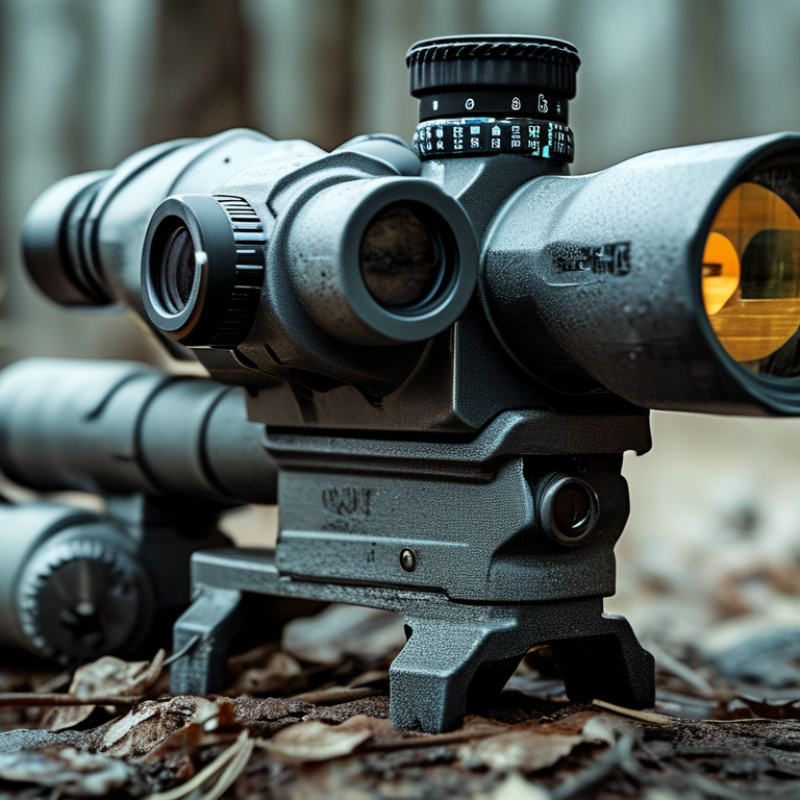
Understanding the Basics of Infrared and Laser Night Vision Technology
Infrared and laser night vision technologies offer distinct advantages depending on user needs. Infrared, for instance, detects heat signatures. This makes it effective in total darkness. Meanwhile, laser night vision provides illumination through a focused beam, enabling clearer images at longer distances. According to industry reports, infrared systems excel in thermal imaging, achieving detection ranges up to 1,000 meters. Conversely, laser systems often exceed 2,000 meters in visibility, making them suitable for tactical applications.
When selecting between the two, consider these critical factors. Assess your typical environment. If you operate in varying climatic conditions, infrared might excel due to its adaptability. If precision over distance is required, laser technology could yield better results.
Evaluating the intended use is vital. For wildlife observation, infrared offers a discreet, non-intrusive method. In contrast, for military personnel, laser systems may provide the sharp advantage needed in operations. Always reflect on changes in technology and user requirements, as advancements continue to shape both infrared and laser capabilities. Balancing these aspects will lead to more informed decisions on night vision technology.
Comparison of Infrared and Laser Night Vision Performance
Comparative Analysis of Infrared and Laser Night Vision Performance
When choosing between infrared and laser night vision, it's crucial to understand their performance differences. Infrared technology detects heat, allowing users to see in total darkness. This capability is advantageous in tracking warm objects, like animals or humans. It works well in various conditions, including fog or smoke. However, it can be less effective in hot environments where everything appears warm.
On the other hand, laser night vision uses beams of light. This allows for precision targeting, but it typically requires a more controlled environment. Laser systems can struggle in bright light or overly reflective areas. The clarity of the image can also vary based on the distance and type of surface being viewed. Users might find that at times, laser systems are not as reliable in unpredictable conditions.
Ultimately, the choice hinges on specific needs. Both technologies come with limitations. Users must consider their operational environment and use cases when deciding which system fits their requirements. Do they prioritize broader visibility or precise targeting? This decision shapes the effectiveness of their night vision capabilities.
Evaluating Cost Factors for Infrared vs. Laser Night Vision Equipment
When choosing between infrared and laser night vision equipment, cost is a major factor. Infrared devices tend to be more affordable, while laser systems usually come at a premium. Understanding the price range of both options helps in budgeting effectively.
Infrared night vision often requires less advanced technology. This simplicity results in lower production costs. Users can find a variety of models at different price points. However, the performance may vary, and cheaper models might not deliver the best results.
Laser systems offer clearer visuals and better performance in challenging conditions. But this comes with higher costs.
Additionally, consider maintenance and long-term expenses. Infrared devices may require fewer repairs and replacements. Laser options often have more complex components, which could increase service costs. Always weigh initial investment against potential future expenses. Balancing your needs with available funds is crucial.
Assessing Environmental Conditions for Optimal Night Vision Use
When choosing between infrared and laser night vision, environmental conditions play a crucial role. Different settings can significantly impact your performance. For instance, infrared systems often work better in open areas. They can detect heat signatures effectively in low-light conditions. However, thick vegetation and urban environments may hinder their performance. In these cases, laser night vision may offer a clearer view.
Humidity and temperature are additional factors to consider. High humidity can reduce the effectiveness of infrared systems. Water vapor scatters light, limiting visibility. On the other hand, a cold environment can affect battery life. Cold temperatures may result in shorter operational times for both systems. Assessing these variables ensures you make an informed choice.
Another point to reflect on is user experience. New users might struggle with adjusting to each type of technology. Learning curves can vary widely. It’s important to take the time to practice in valid environments. The right experience can enhance confidence and usability. Understanding how each system reacts in diverse conditions will improve performance.
Top 10 Tips for Choosing Between Infrared and Laser Night Vision
| Tip Number |
Tip Description |
Best Use Condition |
Key Advantage |
| 1 |
Evaluate the light conditions of your environment. |
Low light |
Infrared excels in low-light scenarios. |
| 2 |
Consider the range required for your observation. |
Long-distance usage |
Laser provides superior clarity at long distances. |
| 3 |
Assess target movement speed. |
Fast moving objects |
Laser offers more precise targeting. |
| 4 |
Evaluate environmental conditions like fog or rain. |
Adverse weather |
Infrared is less affected by atmospheric conditions. |
| 5 |
Determine the level of stealth required. |
Stealth operation |
Infrared can be used without revealing position. |
| 6 |
Consider user experience level. |
For novice users |
Infrared devices are typically easier to operate. |
| 7 |
Check for battery life and usage time. |
Extended use |
Laser systems generally consume more power. |
| 8 |
Assess the size and weight of the device for portability. |
Field operations |
Infrared options can be more compact and lightweight. |
| 9 |
Consider weatherproof capabilities for external use. |
Outdoor usage |
Both types offer weatherproof options, but check specifications. |
| 10 |
Evaluate costs and budget constraints. |
Budget-conscious decisions |
Infrared devices can be more affordable overall. |
Identifying Specific Use Cases: When to Choose Infrared or Laser Night Vision
When deciding between infrared and laser night vision, consider your specific use case. Infrared night vision excels in colder environments. It detects heat signatures, making it ideal for wildlife observation and search and rescue missions.
Imagine tracking a deer in the dark, where thermal imaging reveals its body heat against a chilly backdrop. This capability highlights the advantage of infrared in serene settings.
On the other hand, laser night vision serves distinct needs. It offers long-range detection with remarkable clarity. This technology is favored by military personnel and security teams working in urban landscapes. The precision in identifying targets from afar can make a significant difference during critical operations.
However, using laser systems may require training to avoid unintentional targeting errors. Choosing between these two options requires reflection. Each technology has unique advantages. Infrared may be more suited for quiet, natural settings, while laser is valuable in dynamic, tactical environments. It's crucial to evaluate your own requirements carefully. Do you prioritize stealth or clarity? Your answers will guide your decision.
Conclusion
When considering how to choose between infrared and laser night vision, it's essential to first understand the fundamental technologies behind each system. Infrared night vision relies on thermal imaging, which detects heat emitted by objects, while laser night vision uses coherent light to illuminate the environment. A comparative analysis of their performance highlights that infrared systems excel in detecting warm objects in complete darkness, while laser systems offer clear imaging over longer distances.
Cost factors are also significant, as infrared equipment can often be more affordable than laser alternatives. Additionally, assessing environmental conditions is crucial, as fog, rain, or ambient light can affect the effectiveness of these technologies. Lastly, identifying specific use cases will help determine which system is best suited for your needs; infrared is often ideal for surveillance, while laser night vision may be preferable for long-range targeting or specific tactical applications.

 HawkEye Camera