China Top 10 Tips for Connecting Portable Control Terminals to Servers?

Time:2026-05-05 Author:Aria
0%

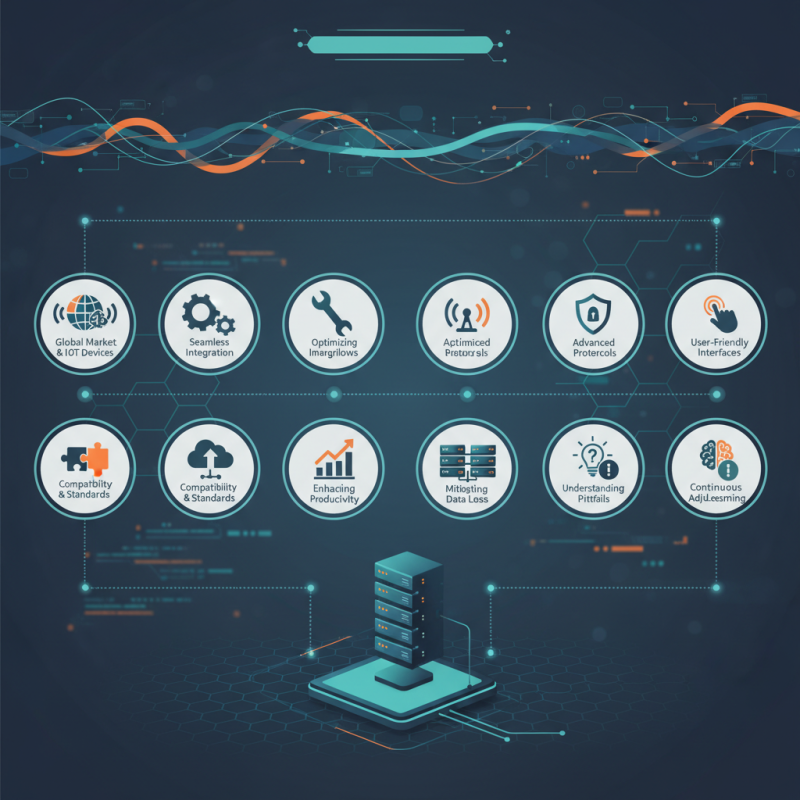
In today's fast-paced technological landscape, businesses rely heavily on efficient connections between portable control terminals and remote servers. The global market for IoT devices is expected to reach $1.1 trillion by 2026, emphasizing the importance of seamless integration and communication. Understanding how to connect a portable control terminal to a remote server is crucial for optimizing workflows and enhancing productivity.

However, many users encounter challenges when establishing these connections. The lack of consistent standards can lead to compatibility issues. According to a recent industry report, up to 30% of companies face difficulties in their remote connectivity strategies. This can hinder operational efficiency and lead to data loss or delays. Attention to best practices can mitigate these risks.

Businesses must leverage advanced security protocols to protect sensitive data during transmission. Developers should consider user-friendly interfaces to ensure a smoother connection process. Recognizing these variables is essential for success. Adopting a proactive approach to understanding potential pitfalls can foster resilience in a rapidly evolving tech environment. It's an ongoing journey that requires continuous adjustment and learning.
China Top 10 Tips for Connecting Portable Control Terminals to Servers?

Understanding Portable Control Terminals and Server Connectivity

Portable control terminals play a crucial role in modern industrial environments. They enable operators to monitor and control various processes. These terminals must connect seamlessly to servers for data storage and analysis. A recent report from the International Data Corporation highlights that 45% of organizations face challenges in server connectivity. This emphasizes the need for effective strategies.

When considering connectivity, it's essential to consider protocols like TCP/IP and MQTT. These protocols ensure that data transmission is reliable. However, many terminals still struggle with latency issues during peak usage, negatively impacting operational efficiency. Studies show that reducing data transfer latency can enhance overall performance by up to 30%.

Additionally, security cannot be overlooked. A report from Cybersecurity Ventures indicates that cyber threats are increasing by 29% each year. Without proper security measures, data integrity can be compromised. Companies must invest in secure connections between terminals and servers to protect sensitive information. Regular audits and updates can mitigate potential risks.

Identifying Compatible Communication Protocols for Data Transfer

When connecting portable control terminals to servers, selecting the right communication protocol is vital. Various protocols exist, and their compatibility can significantly impact data transfer efficiency. Commonly used protocols include TCP/IP, Modbus, and CAN. Each protocol has distinct characteristics, making it crucial to align them with your specific devices and data requirements.

Consider the context in which the portable terminal operates. For instance, the environment's industrial standards may dictate certain protocols. In some cases, legacy systems cannot support newer protocols. This mismatch often leads to frustrating communication breakdowns. Testing different setups can reveal unexpected challenges.

Some professionals may overlook security aspects while focusing on speed and efficiency. Ensuring data integrity and safety should remain a priority. Conduct regular protocol audits to identify vulnerabilities. Document your findings to refine future connections. Addressing these concerns proactively can save time and resources in the long run. Failing to consider these factors may lead to inefficiencies or data loss.

Setting Up Network Configuration for Seamless Connection

Setting up a robust network configuration is crucial for connecting portable control terminals to servers. A seamless connection ensures efficiency and reliability. Start by identifying your network topology. Understand how devices will communicate. This lays a strong foundation for your setup.

When configuring IP addresses, ensure there are no conflicts. Use static IPs for control terminals. Avoid DHCP for these devices. This reduces the risk of connectivity issues. Regularly verify that all assignments remain intact and adjust if necessary.

Another tip is to establish a secure firewall. A properly configured firewall shields both terminals and servers. Keep the settings updated based on potential vulnerabilities. Regularly check for updates to maintain security. Testing connections frequently can help in identifying issues early.

Implementing Security Measures for Data Integrity and Safety

Connecting portable control terminals to servers requires careful attention to security. The integrity and safety of data are paramount. First, ensure all devices are updated. Firmware updates often contain critical security patches. Outdated systems are more prone to vulnerabilities.

Establish a strong password policy. Use complex passwords for every device. Multi-factor authentication adds another layer of security. Avoid relying solely on one method. Regularly review your access logs. Look for any unusual activity or unauthorized attempts. This kind of vigilance can prevent breaches.

Consider using a virtual private network (VPN) for remote connections. This encrypts data, making it harder for malicious actors to intercept information. Security training for all staff is crucial. They must understand risks and how to respond appropriately. Regular audits of your security measures will highlight areas needing improvement. Adapting to evolving threats is essential for ongoing protection.

Troubleshooting Common Connectivity Issues with Portable Terminals

Connecting portable control terminals to servers can sometimes be challenging. Frequent issues arise from network configurations and settings. A common problem is incorrect IP addresses. Ensure the terminal and server share the same subnet. If they don’t, connectivity issues will occur. Simple checks can save valuable time.

Another frequent issue is firewall settings. Firewalls may block necessary ports. Review the firewall rules and make adjustments to grant access. Sometimes, hardware glitches also play a role. Inspect cables and connectors for any visible damage. A loose connection could lead to intermittent failures and disconnections.

Testing with different networks may help troubleshoot issues effectively. It can highlight whether the problem lies within the terminal or the server itself. Restarting both devices is often overlooked but can resolve many connectivity problems. Always keep software updated, as updates frequently include critical patches for connectivity issues. These small details can lead to significant improvements in connectivity.

China Top 10 Tips for Connecting Portable Control Terminals to Servers - Troubleshooting Common Connectivity Issues with Portable Terminals

Tip No. Tip Description Common Issues Recommended Solutions
1 Check Network Configuration Incorrect IP Address Ensure correct IP settings are applied.
2 Inspect Cables and Connections Loose or Damaged Cables Secure all connections and replace damaged cables.
3 Update Device Firmware Outdated Software Install the latest firmware updates.
4 Validate Server Settings Firewall Restrictions Configure firewall to allow necessary traffic.
5 Test Connection with Ping Unreachable Server Use ping command to verify server availability.
6 Check User Permissions Insufficient Access Rights Adjust user permissions as needed.
7 Review Network Load Network Congestion Monitor and manage network traffic.
8 Verify Protocol Compatibility Incompatible Networking Protocols Ensure the same protocols are being used.
9 Use Static IP when Necessary Dynamic IP Issues Assign a static IP address if necessary.
10 Consult Technical Documentation Lack of Clarity on Configuration Refer to the user manual and troubleshooting guides.

FAQS

: What are portable control terminals used for?

: They allow operators to monitor and control industrial processes efficiently.

Why is server connectivity important for portable terminals?

It ensures data storage and analysis, which enhances operational performance.

What are common issues faced with server connectivity?

Organizations often report challenges, notably from network configurations and latency.

How can latency issues affect performance?

High latency can reduce operational efficiency by up to 30%, hindering data processing.

What security measures should be taken?

Secure connections, regular audits, and updates can protect sensitive information effectively.

What troubleshooting steps can be taken for connectivity issues?

Check IP addresses, firewall settings, and physical connections for issues.

How can firewalls interfere with connectivity?

Firewalls may block important ports, preventing successful connections.

Why is network testing beneficial?

It helps determine whether connectivity issues originate from the terminal or the server.

How important are software updates for terminals?

Updates often include patches for connectivity problems, enhancing overall reliability.

What small details can lead to connectivity improvements?

Simple checks like restarting devices or inspecting cables can resolve many issues.

Conclusion

In today's technology-driven environment, understanding how to connect a portable control terminal to a remote server is essential for efficient operations. This involves recognizing the functionalities of portable control terminals and ensuring compatibility with the desired server's communication protocols for effective data transfer. A robust network configuration is critical to establish a seamless connection, facilitating real-time data processing and retrieval.

Moreover, implementing stringent security measures is paramount to uphold data integrity and safety, protecting sensitive information from potential breaches. When challenges arise, knowing how to troubleshoot common connectivity issues can enhance the reliability of the system. By following these guidelines, users can ensure a smooth and secure connection between portable control terminals and remote servers, optimizing both functionality and security.

Aria

Aria

Aria is a dedicated marketing professional with a deep passion for innovative strategies and a keen understanding of our company's product offerings. With a wealth of experience in the industry, Aria excels at crafting engaging content that highlights the unique features and benefits of our......