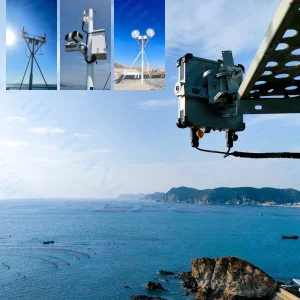
High-integrity heavy machinery custom-fitted for extreme coastal exposure in Tarawa, Kiritimati, and outer islands.
Kiribati, comprising 32 atolls and one raised coral island scattered across 3.5 million square kilometers of the central Pacific Ocean, represents one of the world's most vulnerable yet geostrategically vital maritime regions. With infrastructure highly concentrated on narrow, low-lying strips of land like South Tarawa, the local installations are continuously exposed to severe atmospheric and marine stressors.
Coastal monitoring in Kiribati is not merely a security concern; it is essential for environmental monitoring, tracking sea-level rise, port management, monitoring fish resources, and defending the sovereign territory. The atmospheric conditions here present a continuous onslaught of high-concentration salt spray, high humidity exceeding 85%, intense UV radiation, and high temperatures. Standard surveillance and industrial equipment fail within months due to pitting corrosion, stress corrosion cracking (SCC), and electrochemical deterioration of components.
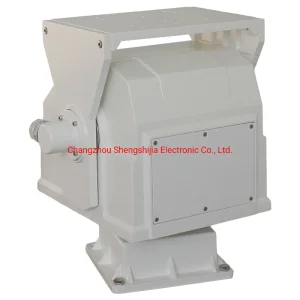
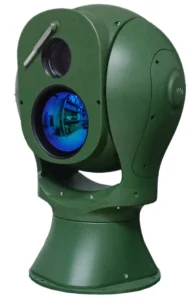
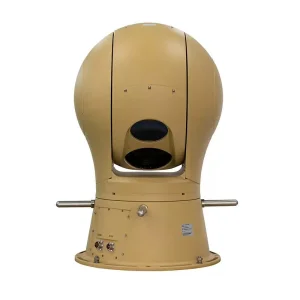
To address this challenge, municipal developers, coast guards, port administrators, and utility designers in Kiribati require certified Marine-Grade Anti-Corrosion Shore PTZ Systems. Standard commercial-off-the-shelf (COTS) PTZ cameras lack the structural and material defenses necessary to survive this CX (extreme marine offshore) environment. High-integrity electro-optical PTZ devices from HawkEye Camera Co., Ltd., built with high-grade alloys, specialized surface coatings, and state-of-the-art thermal imaging, provide the precise operational reliability required.
Due to constant trade winds carrying fine seawater droplets across the narrow atolls, the entire landmass of South Tarawa and Kiritimati experiences continuous wet-dry cycles containing concentrated chloride ions. This creates an environment more aggressive than offshore oil rigs. The lack of mountain ranges means salt-laden wind reaches every corner of infrastructure, requiring C5-M or CX corrosion mitigation strategies on all outdoor monitoring nodes.
Deploying Pan-Tilt-Zoom camera stations on Kiribati shores demands specific material properties. Structural components must prevent both uniform galvanic corrosion and localized pitting. Our marine-grade PTZ systems incorporate advanced alloys, fluoropolymer seals, and robust surface chemistry:
Our camera chassis are milled from high-grade SUS316L stainless steel (containing 2-3% molybdenum) or custom titanium alloys. This provides superior resistance to chloride-induced pitting and crevice corrosion compared to standard 304 steel or anodized aluminum housings.
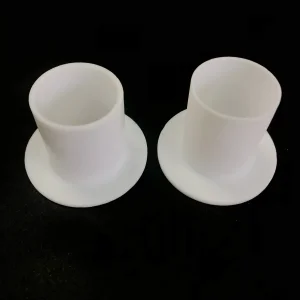
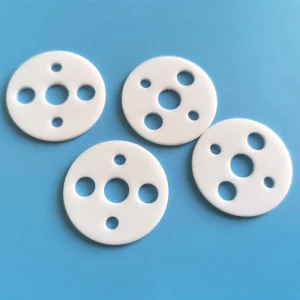
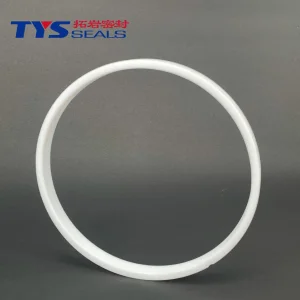
All internal rotating shafts, cable glands, and structural interfaces are sealed with high-grade PTFE (Teflon) components. PTFE provides chemical inertness, a wide temperature range, and an extremely low coefficient of friction, ensuring long-term ingress protection.
Our optical glass features multi-spectral anti-reflective coatings and external hydrophobic surfaces. Water droplets roll off immediately, leaving no salt residue that could impair image clarity or cause focal degradation over time.
Protecting Kiribati’s critical infrastructure requires a holistic approach. CCTV and electro-optical monitoring do not operate in isolation. They form part of a comprehensive coastal protection and industrial framework that includes shore power grids, port berths, and structural defenses:
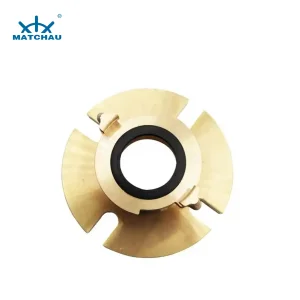
Kiribati’s international ports at Betio (Tarawa) and London (Kiritimati) require real-time tracking of incoming cargo vessels, local fishing craft, and passenger ships. Combining multi-spectral coaxial thermal PTZ systems with High Quality Brass Storz Shore Connections and Stainless Steel Shore Power Boxes ensures that berths remain fully operational, secure, and continuously powered without electrical shorts or mechanical failures caused by corrosive sea mist.
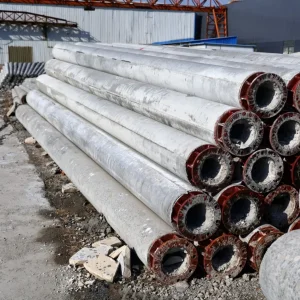
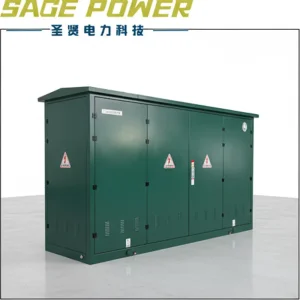
Traditional power poles and outdoor distribution transformers fail rapidly in coastal areas. Integrating Coastal Area Concrete Electric Poles that are saltwater corrosion-resistant alongside Stainless Steel RMUs (Ring Main Units) protects key infrastructure. PTZ radar systems monitor these critical nodes, preventing vandalism and ensuring early warning of localized physical failures or extreme weather impacts.
Kiribati faces significant illegal, unreported, and unregulated (IUU) fishing across its vast EEZ. High-speed, heavy-duty pan-tilt motors combined with thermal imaging sensors and long-range marine radar detect and track target vessels up to 5km away, even in total darkness. High-durability structural elements, such as anti-corrosion steel beams on tracking towers, prevent mechanical degradation of tower supports under extreme maritime wind loads.
Request Port Solution BlueprintAs a leading technology-driven enterprise specializing in the design, development, and production of advanced intelligent security and monitoring systems, Changzhou HawkEye Camera Co., Ltd. is committed to delivering high-performance, stable, and reliable products to meet the diverse needs of global markets. Headquartered in Changzhou, Jiangsu, with branch offices in key Chinese cities like Shenzhen, Guangzhou, and Beijing, we have developed a comprehensive marketing and service network to support clients worldwide, including the Pacific Islands.
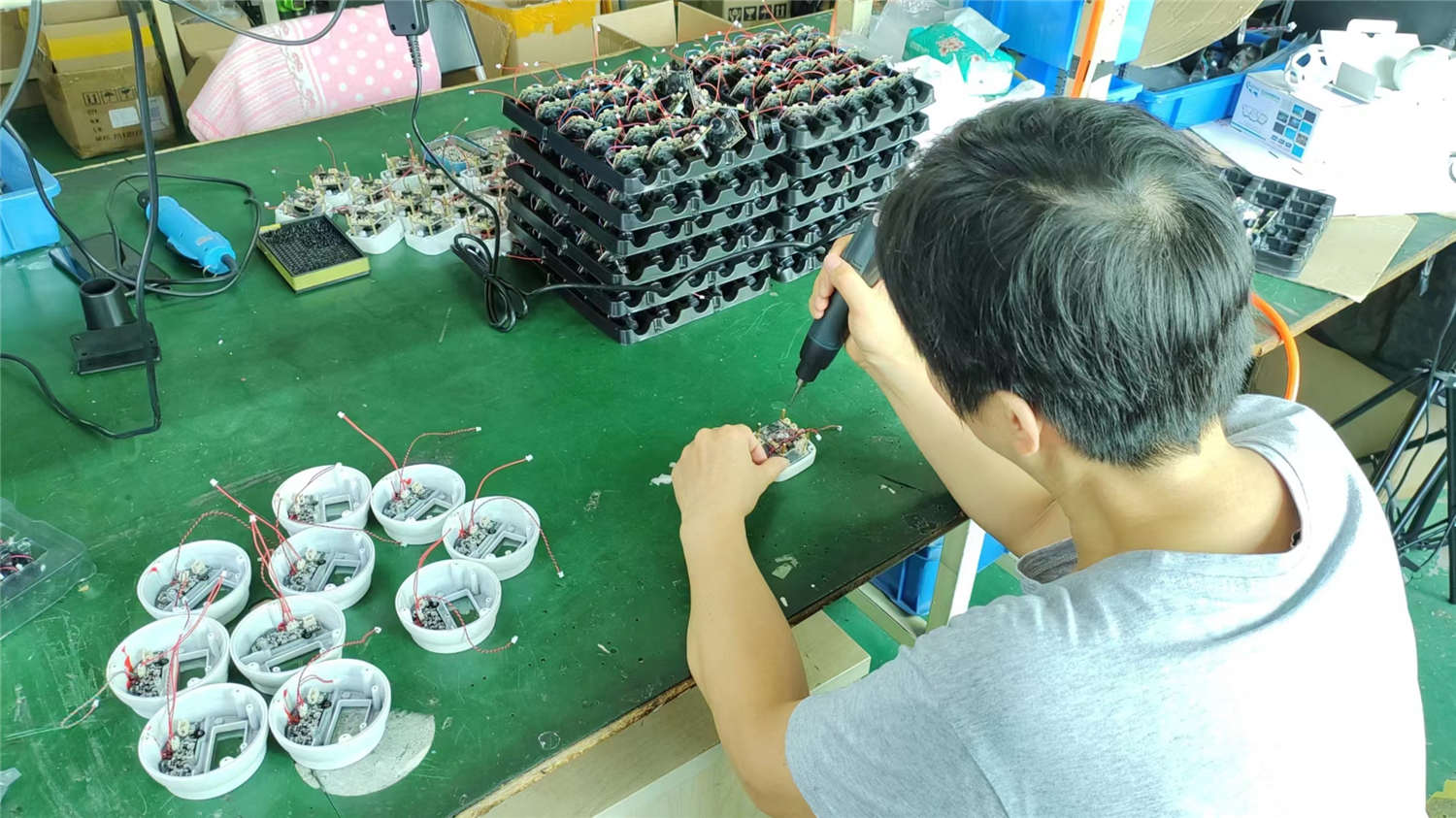
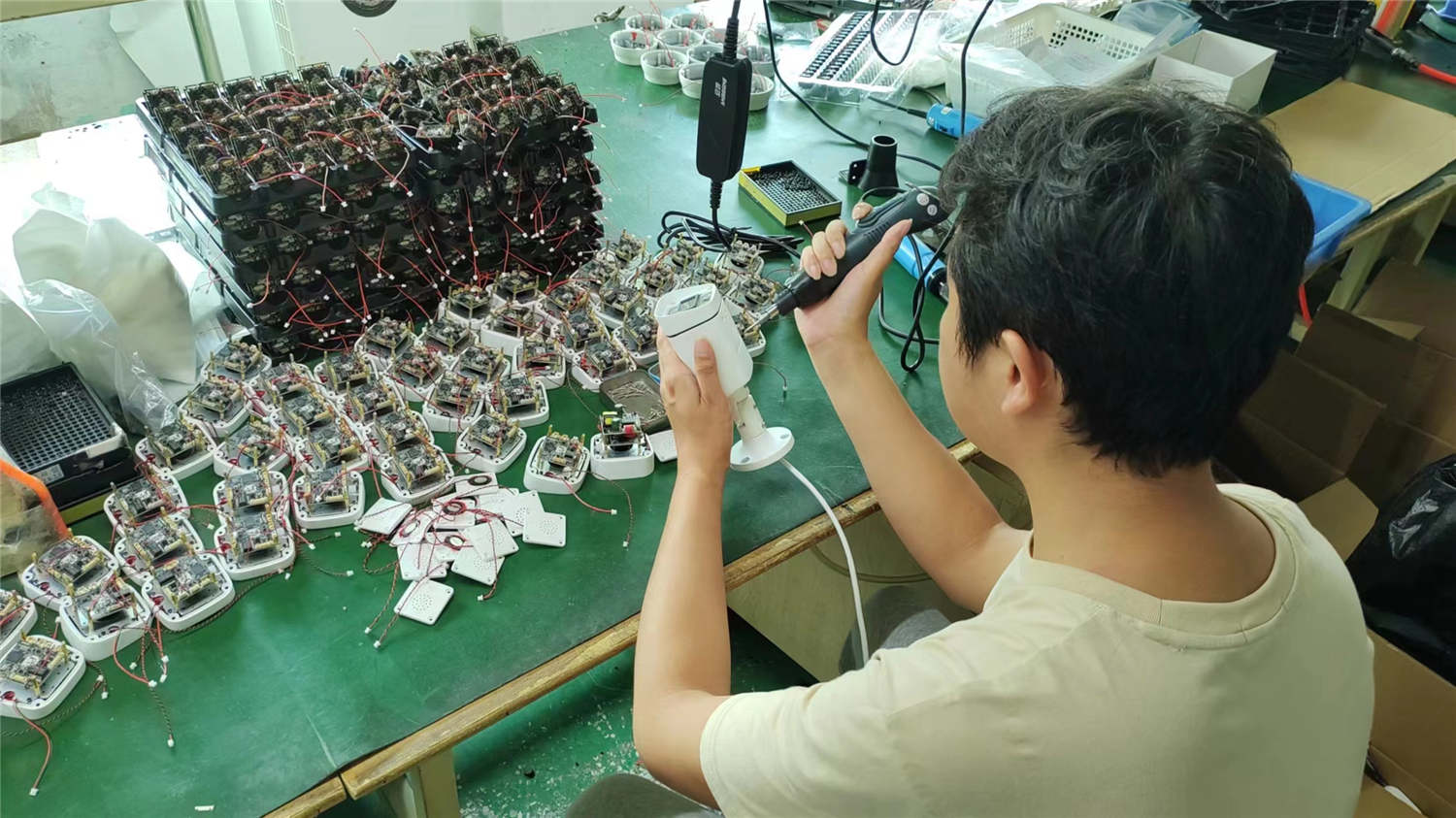
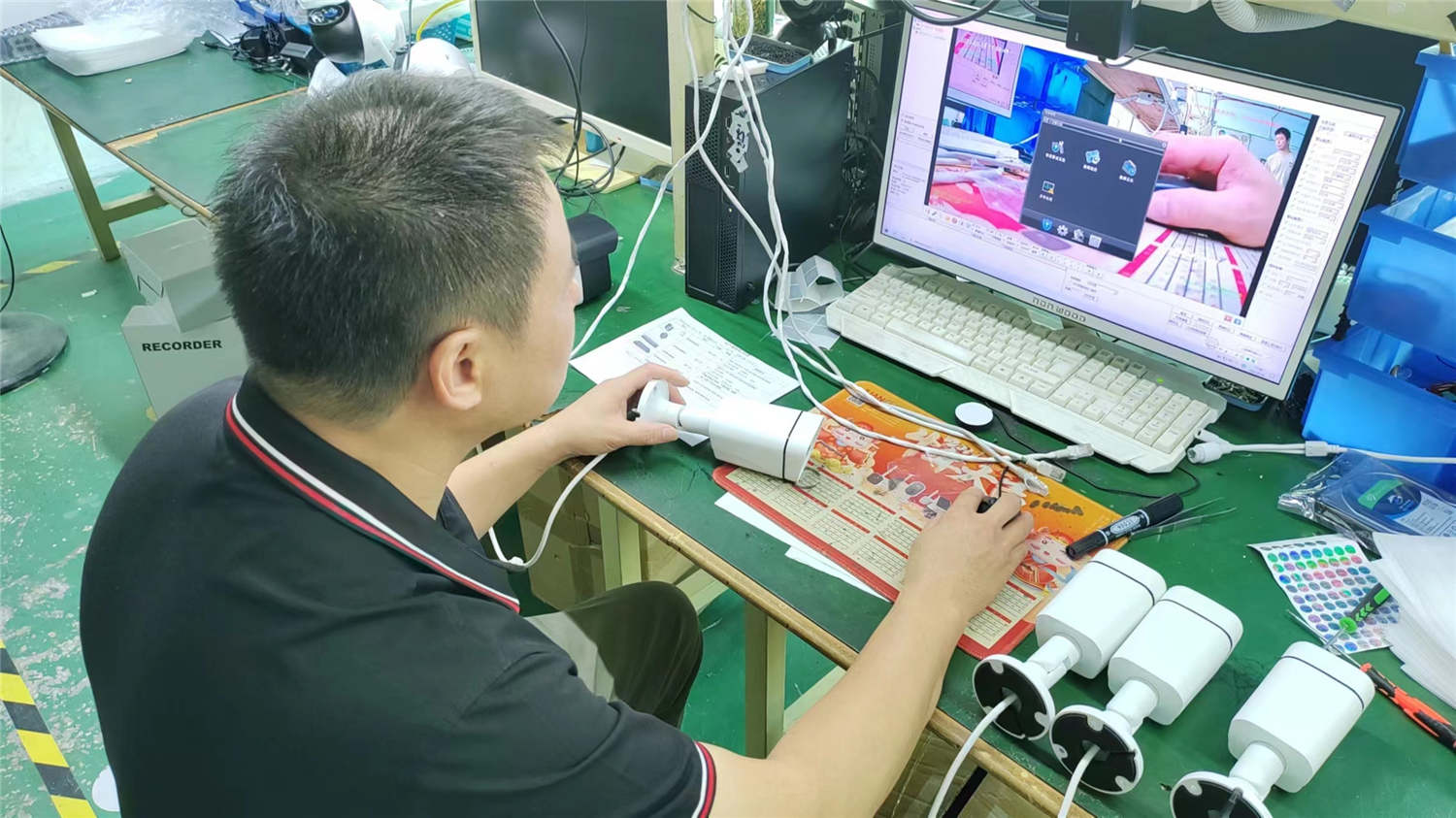
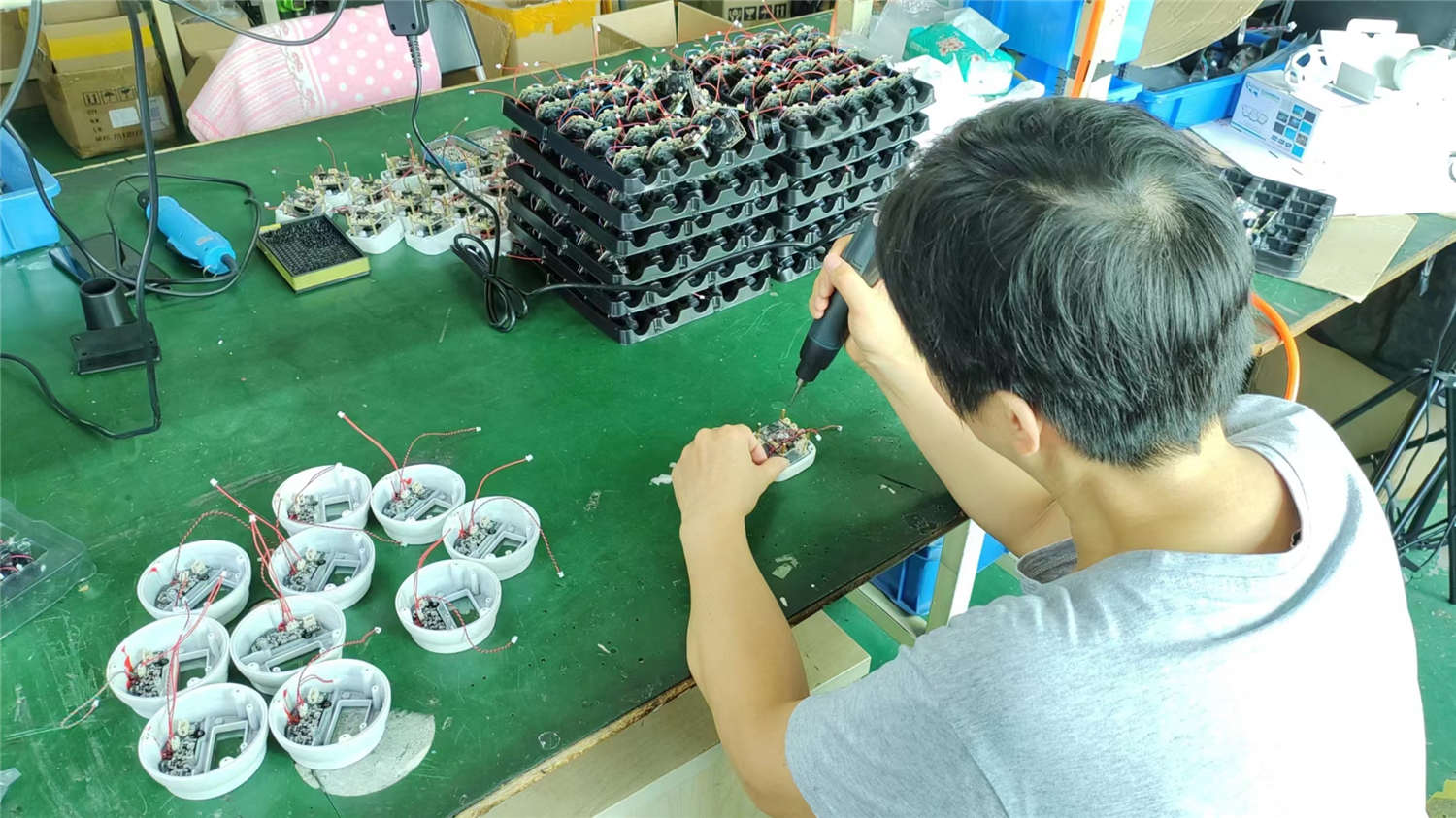
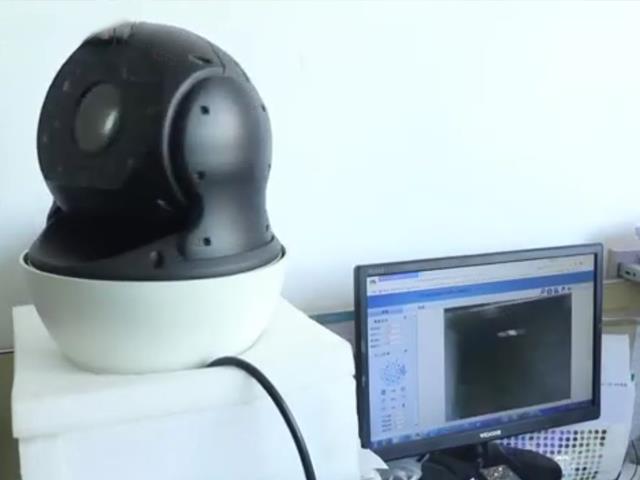
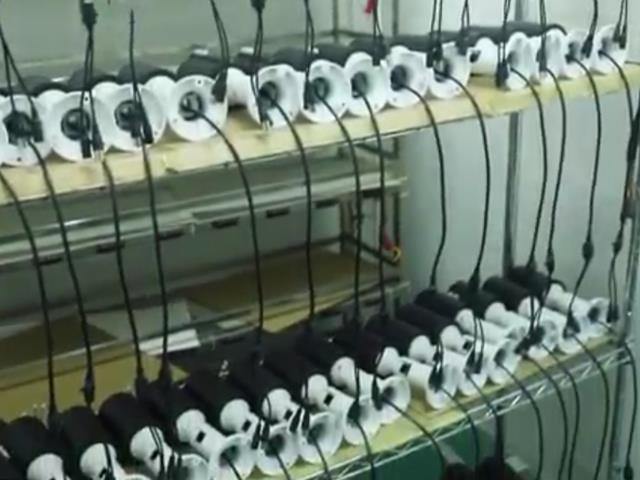
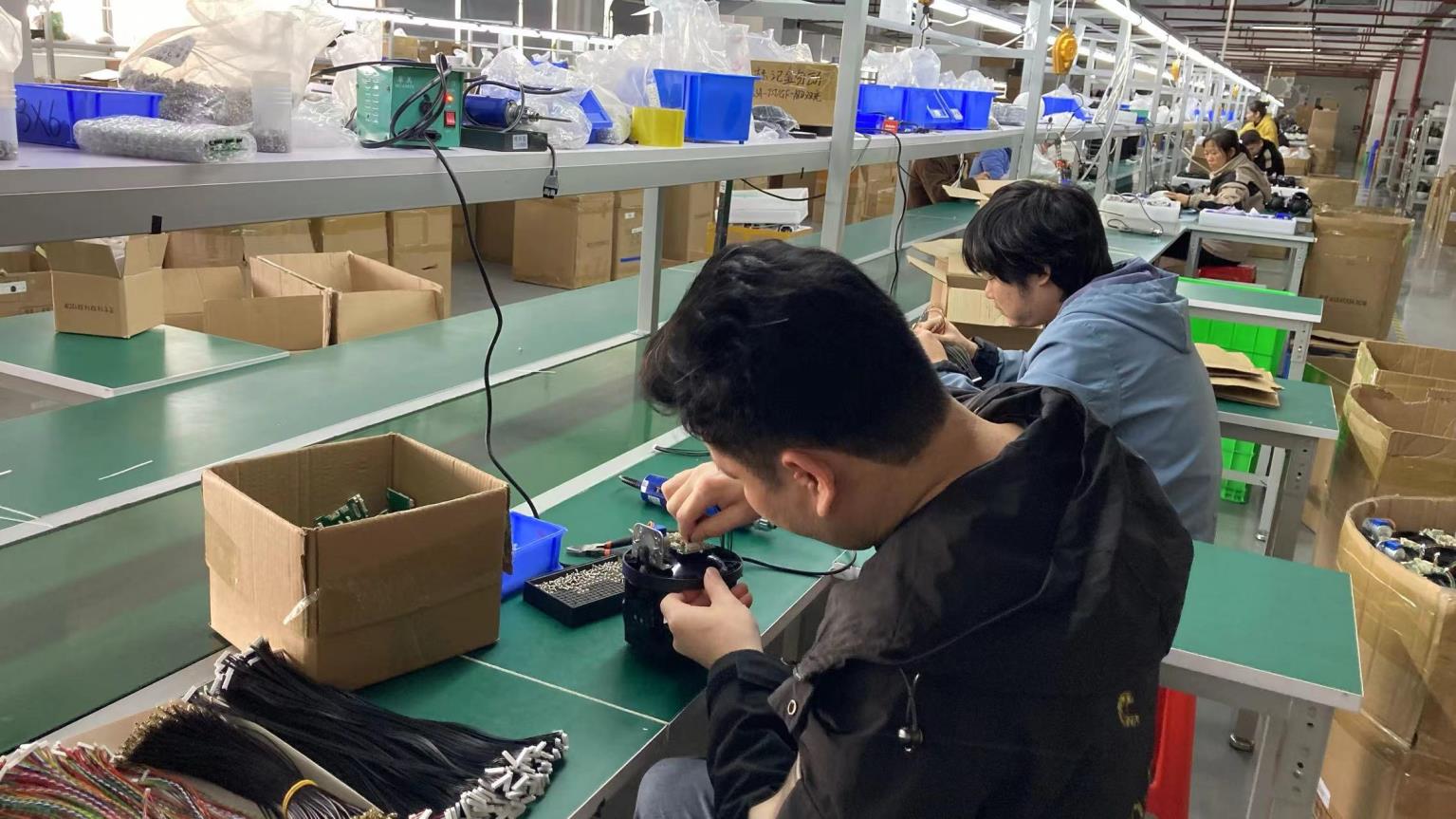
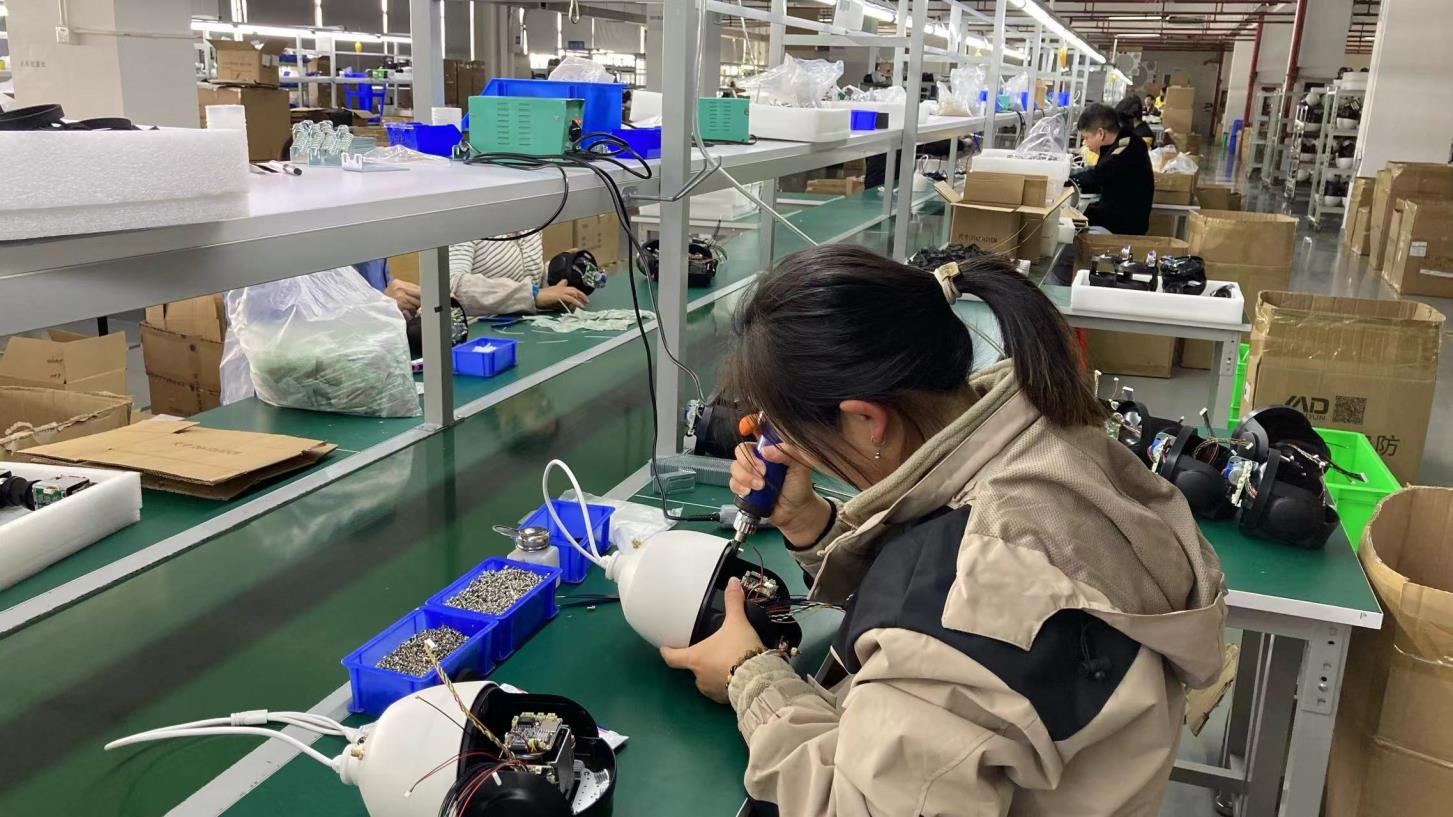
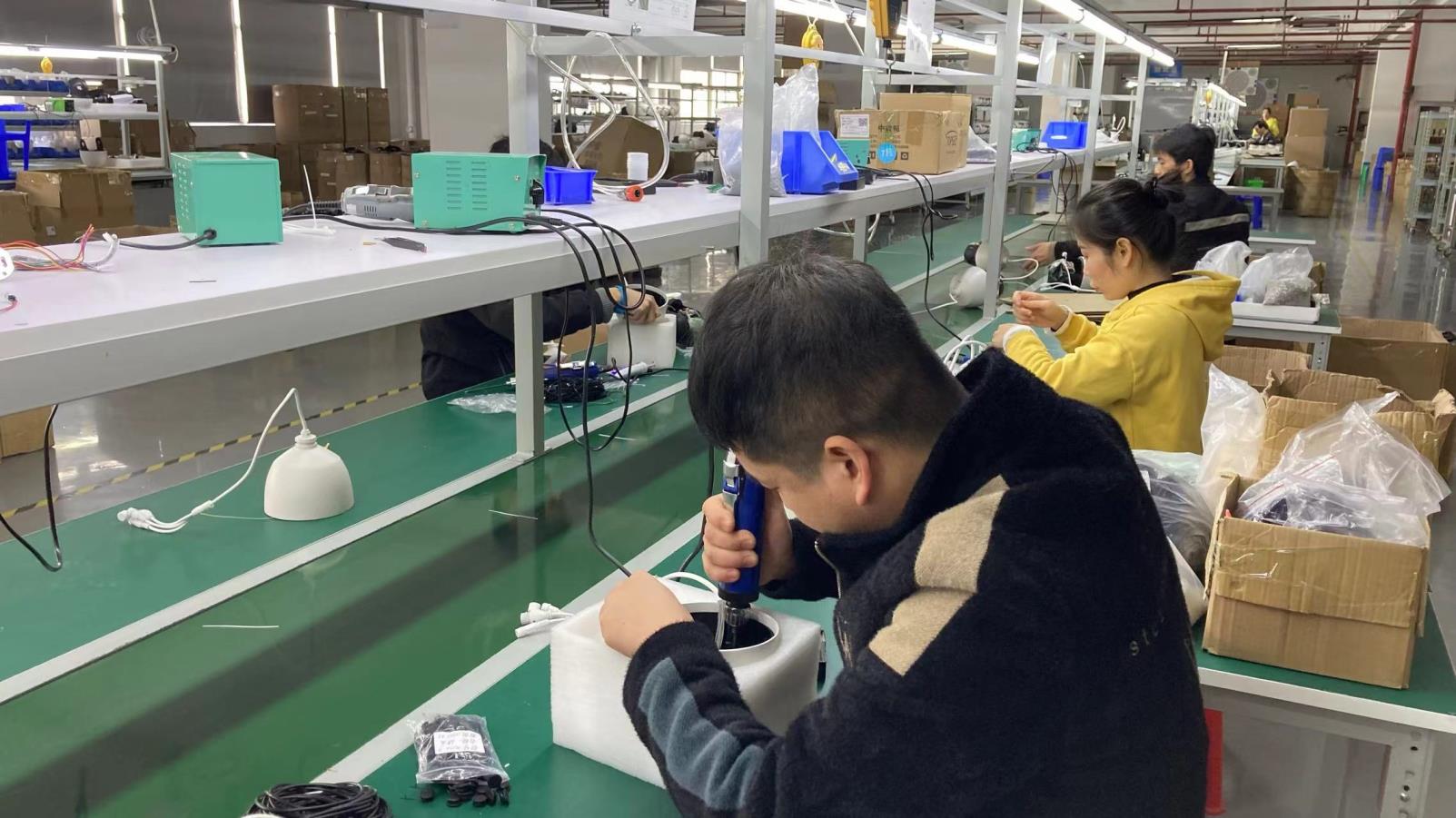
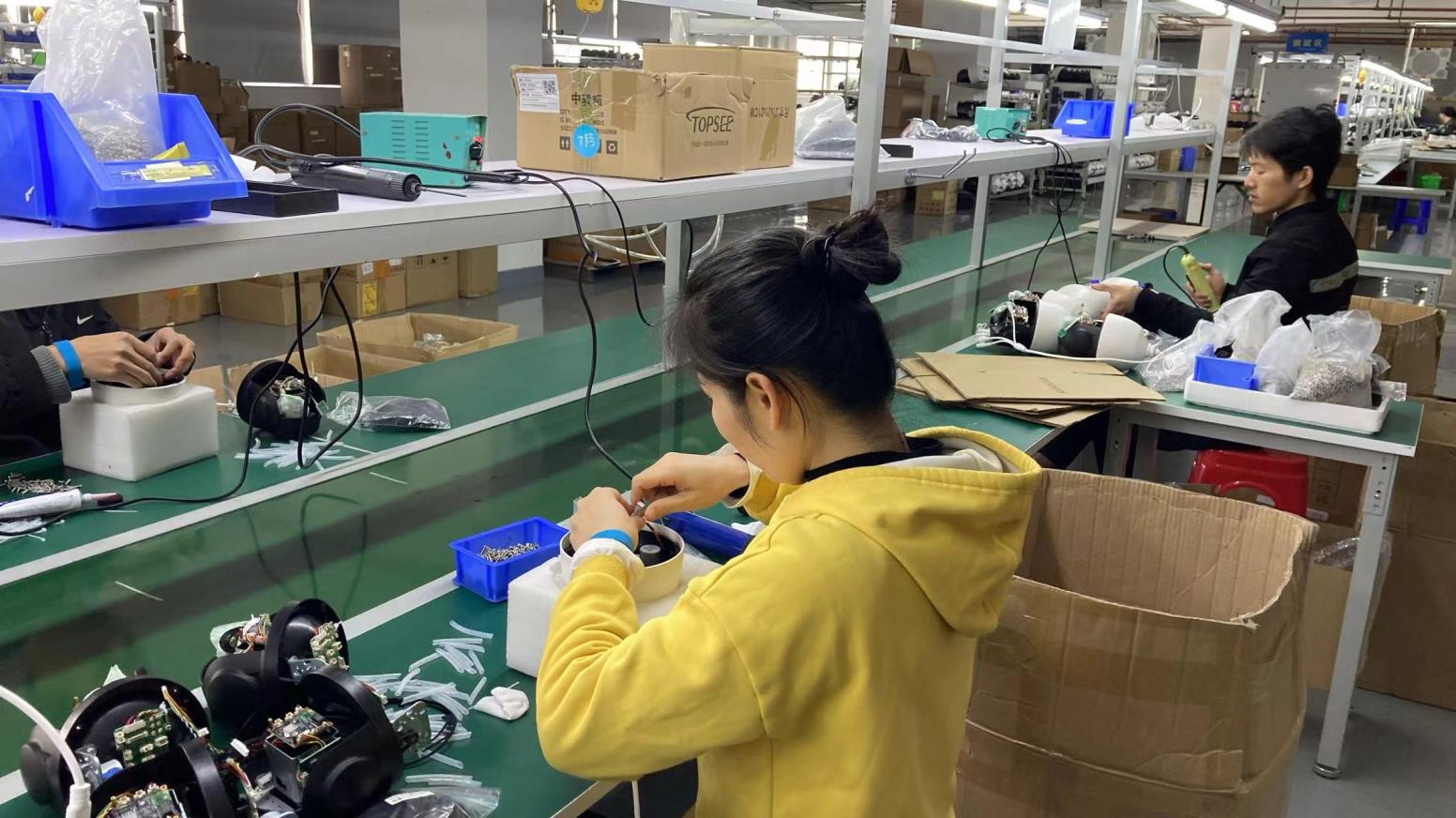
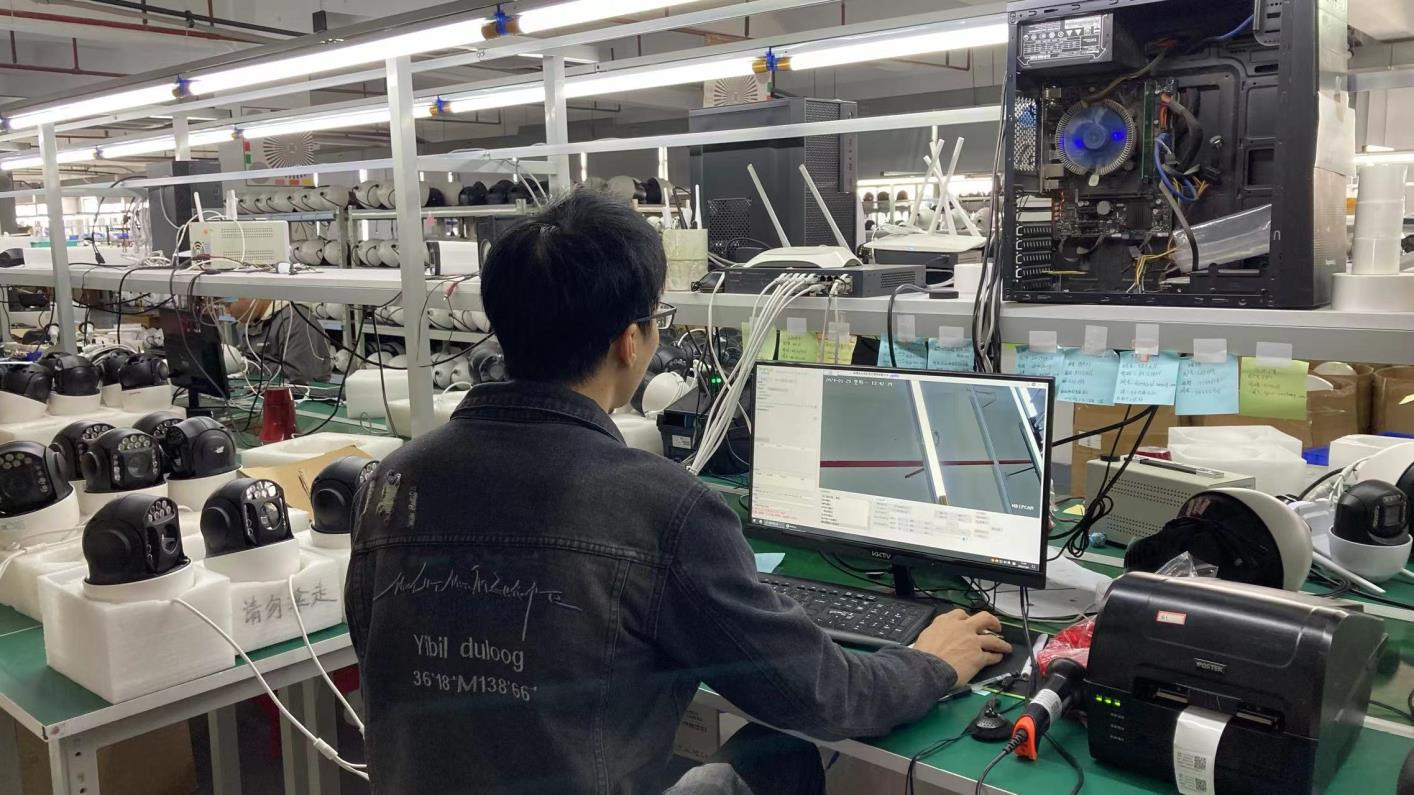
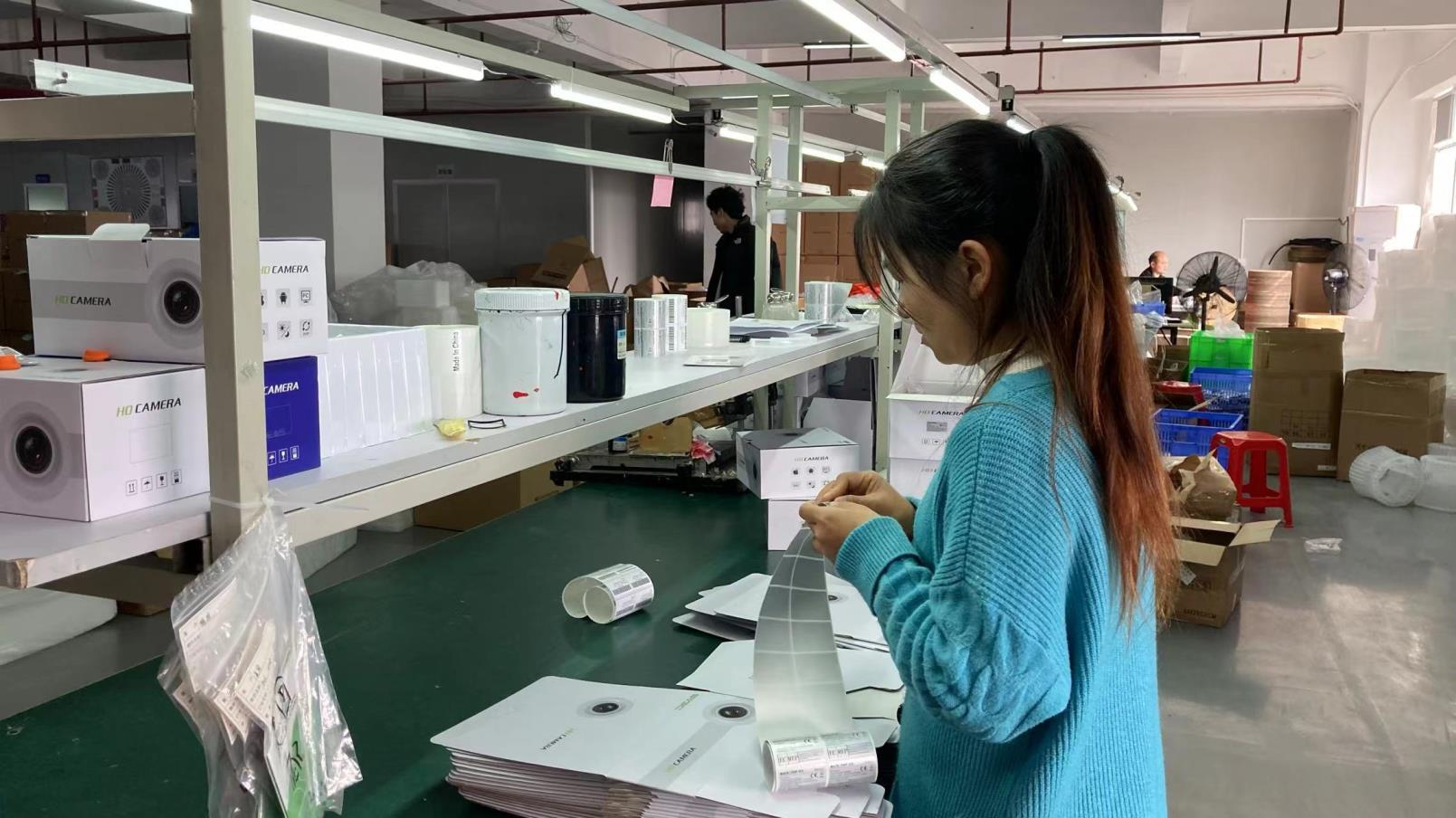
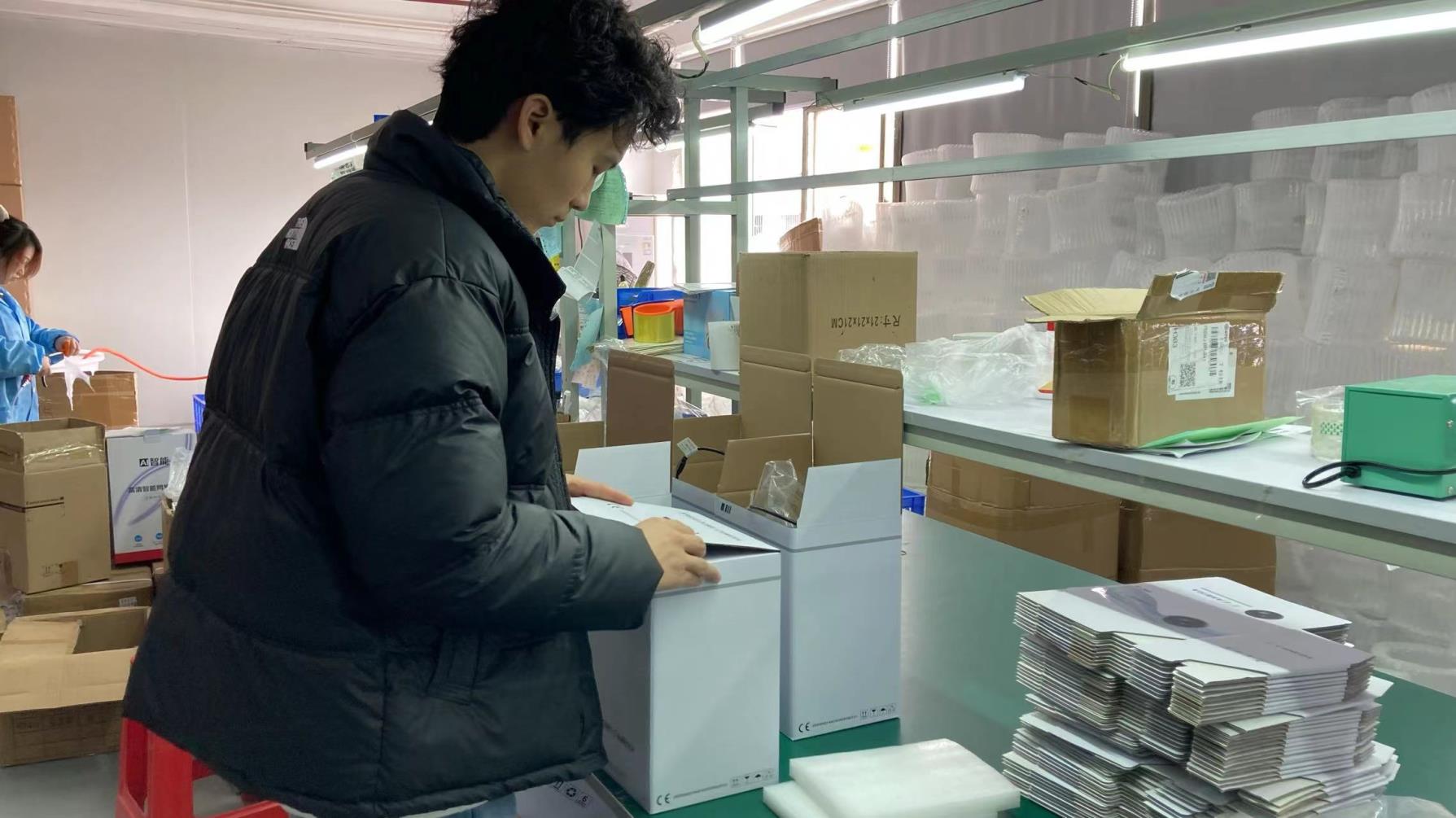
Our manufacturing facility operates under a strict Quality 4.0 philosophy. By utilizing intelligent assembly systems, torque-calibrated tooling, and automated testing rigs, we ensure that every single camera assembly matches the exact specifications required for C5-M marine exposure. Our products undergo rigorous testing at the Safety and Police Electronic Product Quality Inspection Center, and we are fully ISO9001 certified. Our systems carry CE, RoHS, and FCC certifications, underscoring our commitment to quality, safety, and environmental responsibility.
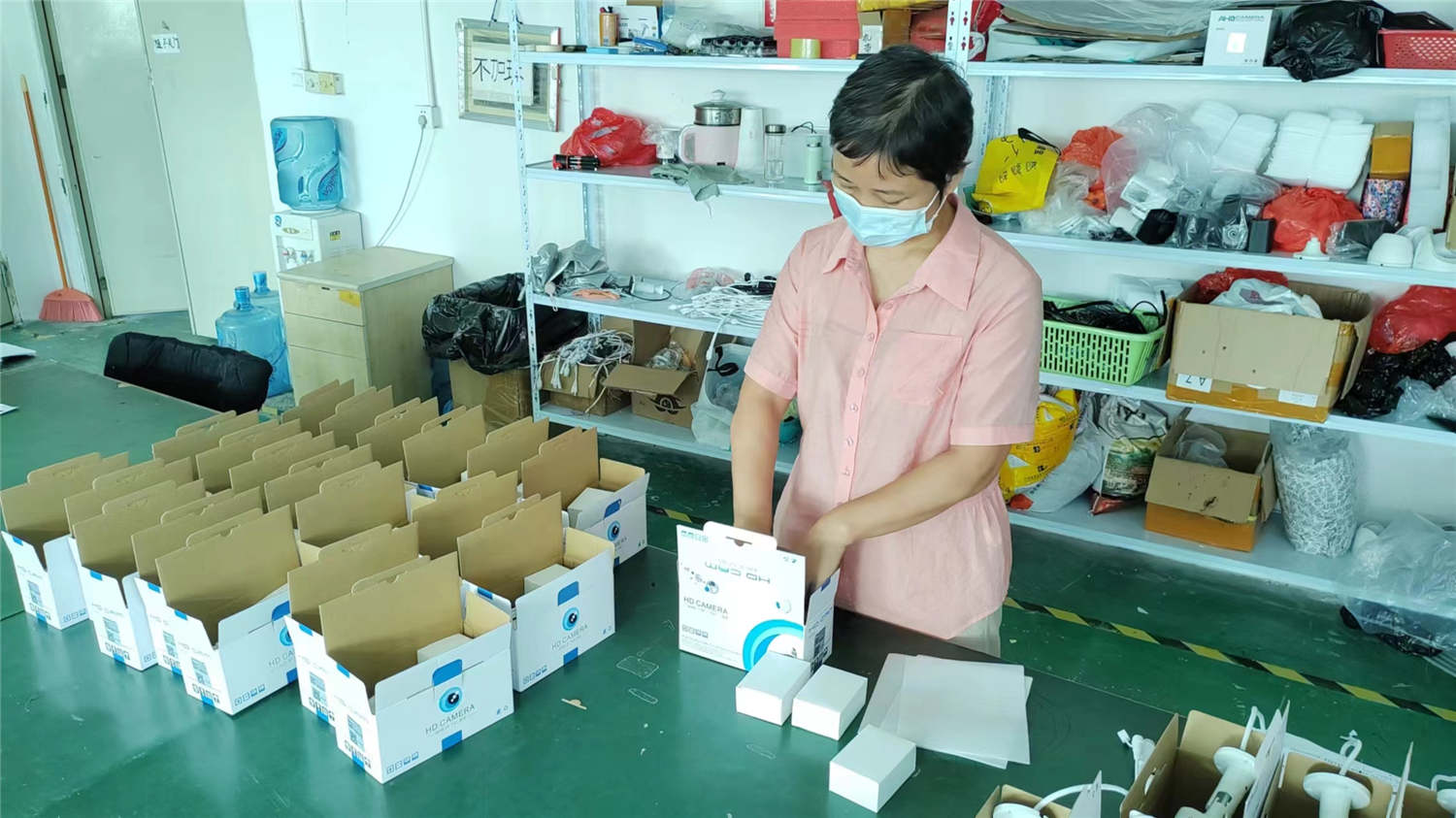
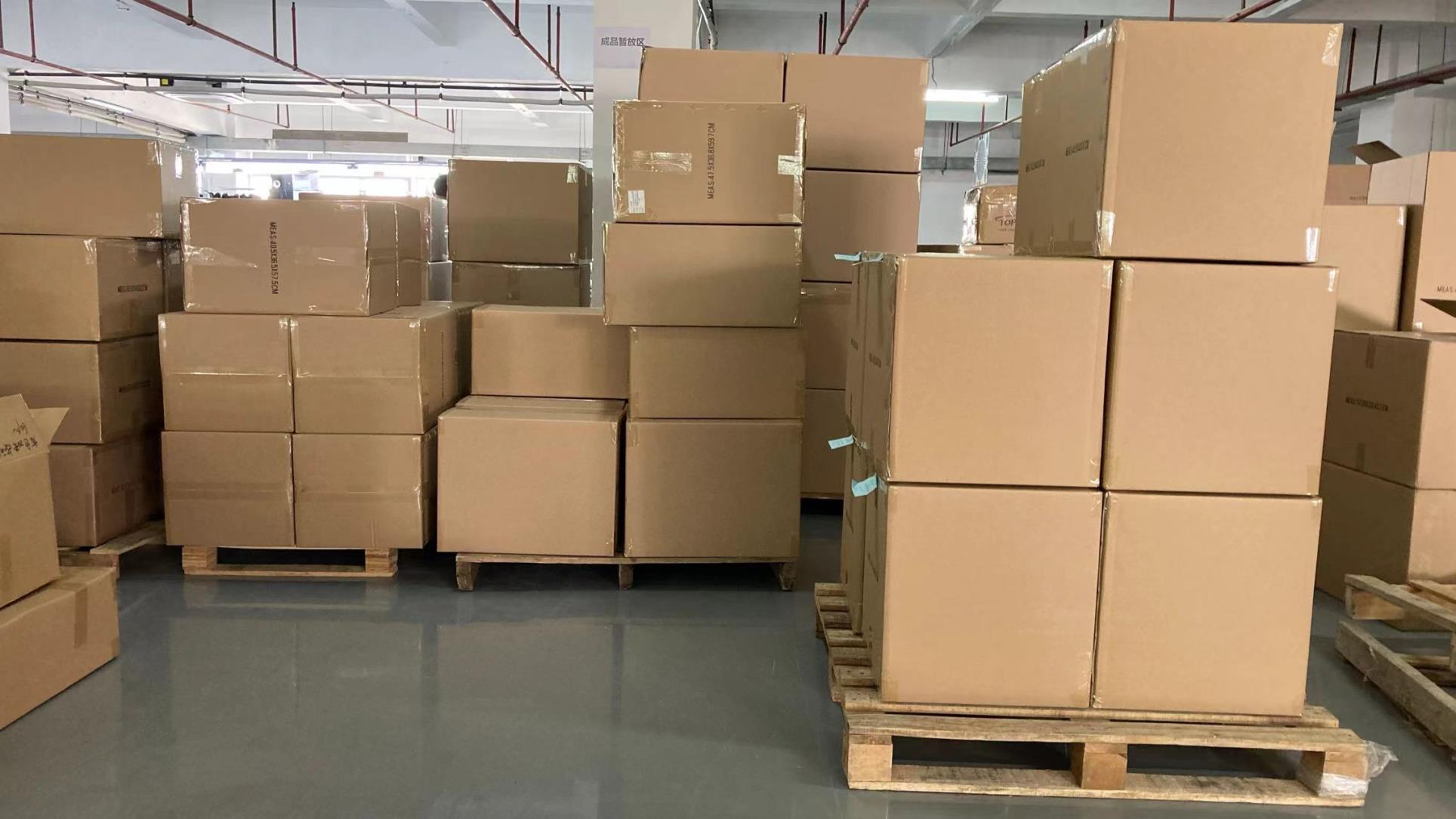
Below is an inside look at our state-of-the-art production pipeline, showing the meticulous steps of assembly, functional testing, aging verification, and precision packing that our products undergo before shipping to Kiribati.
As global climate factors shift and regional security becomes more demanding, HawkEye is continually developing new technologies to stay ahead of coastal environmental stressors:
By integrating deep learning algorithms inside the camera core, our systems distinguish vessel shapes, human movement, and marine birds even through ocean mist, rain squalls, and heat glare. This reduces false alarms and saves satellite bandwidth for remote Kiribati islands.
Power grids on remote atolls can be unstable. Our PTZ cameras are optimized for low-power operation, running efficiently on 24VDC solar power banks. Built-in power management ensures continuous operation even during consecutive cloudy monsoon days.
We are scaling our multi-sensor assemblies to combine visible lens units, cooling thermal imagers, and integrated micro-radar units. This will expand direct tracking coverage up to 10km, allowing comprehensive coverage of Kiribati's coastal boundaries.
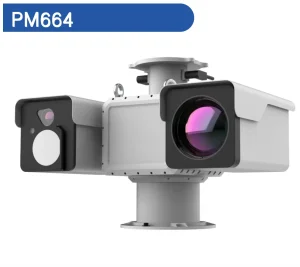
Select from our specialized line of anti-corrosion, IP68 rated assemblies and components designed for the Pacific Region.
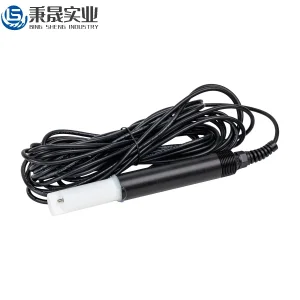

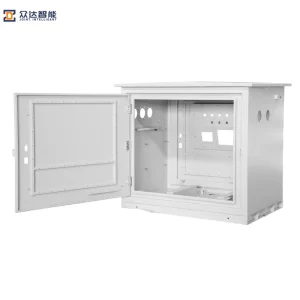
We understand that purchasing high-end industrial equipment for delivery to the Pacific Islands requires detailed logistics planning and technical support. HawkEye Camera Co., Ltd. ensures a smooth procurement process by addressing key localized factors:
We arrange shipping to Tarawa Port or Bonriki International Airport. All products are crated in export-grade, moisture-barrier packaging with desiccant packs to prevent humidity ingress during maritime transport.
Our engineers provide detailed wiring diagrams, mount structures, and remote connection support. We assist local contractors with correct grounding techniques, critical for preventing galvanic issues in coastal zones.
All HawkEye systems comply with Kiribati’s environmental import standards. Our CE, RoHS, and FCC certifications verify that our products are safe, energy-efficient, and free from hazardous materials.
Find detailed technical answers regarding the engineering, durability, and installation of our marine-grade PTZ camera systems.
A true marine-grade camera requires SUS316L stainless steel or titanium alloy housing, IP68 or IP69 ingress ratings, and dynamic seals made of fluoropolymers like PTFE. It must also have a certified C5-M or CX multi-layer coating system to withstand salt spray. Standard aluminum or steel casings degrade quickly in high-salinity environments.
Our cameras undergo rigorous testing in specialized environmental test chambers, including ASTM B117 salt spray tests for over 1000 hours, ingress testing (submersion up to 2 meters for IP68), thermal cycling (-40°C to +70°C), and continuous rotation aging tests. This ensures our pan-tilt units operate reliably in tropical environments.
Yes. Our cameras use standard ONVIF profiles (S, G, T) and support SDK integration, allowing them to connect with major Video Management Systems (VMS) and radar networks. This lets the camera track targets detected by marine radar units automatically.
Our PTZ systems support standard power configurations, including 24VAC, 24VDC, and High-PoE (Power over Ethernet). For off-grid installations on outer islands, they can run directly on 24VDC solar power packages. Their energy-efficient internal motors reduce total power consumption.
Standard rubber seals dry out, crack, and fail under intense UV exposure and high salinity. PTFE (fluoropolymer) offers high UV resistance, chemical inertness, and a low coefficient of friction. This ensures seals remain flexible and watertight, protecting internal electronics over years of service.
Contact our technical engineering team for customized drawings, quotations, and material specification sheets matching Kiribati's municipal or industrial standards.
 HawkEye Camera