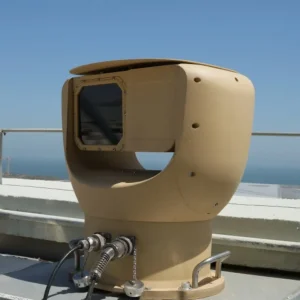
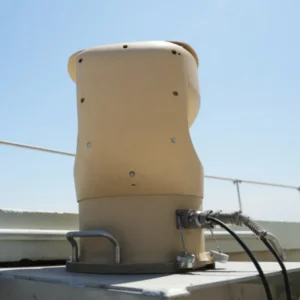
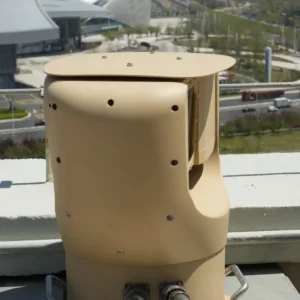
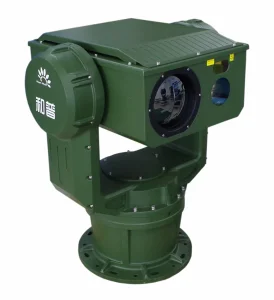
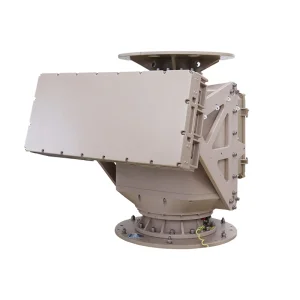
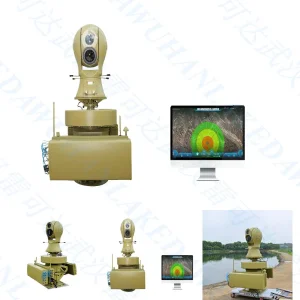
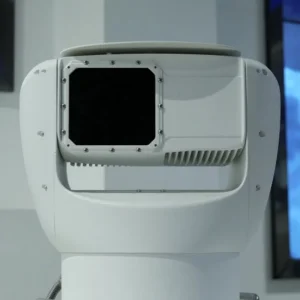
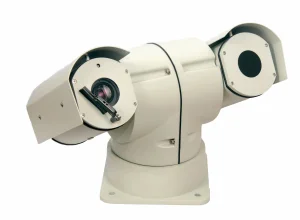
Auto-Tracking Intelligent PTZ System Manufacturer & Factories for Samoa

Precision Electro-Optical Systems, Deep-Learning Object Detection, and Extreme Marine Weatherproof PTZ Infrastructure

Samoa Maritime & Industrial Infrastructure Security Briefing

Analyzing key geo-climatic factors, critical protection vectors, and the strategic necessity of dual-spectrum pan-tilt optical technologies in the South Pacific.

Samoa, strategically located in the heart of Polynesia, governs an extensive maritime Exclusive Economic Zone (EEZ) encompassing more than 120,000 square kilometers. The safeguarding of Samoa's remote oceanic borders, coastal shipping lanes, and vital ports—most notably the Port of Apia—demands long-range, continuous observation capabilities that are highly resilient to harsh marine environments. As regional trade routes expand and maritime security concerns rise, traditional camera networks are proving inadequate. Security and maritime organizations in Samoa require intelligent electro-optical surveillance architectures equipped with automated tracking and target identification capabilities.

Critical Geographical & Environmental Challenges in Samoa

Procuring and deploying optical surveillance systems in Samoa involves addressing severe environmental factors that can rapidly degrade lower-grade equipment:

  • High Marine Salinity & Humidity: Samoa's oceanic environment accelerates metallic corrosion and optical fogging. Standard surveillance enclosures typically degrade within months. Electro-optical systems deployed here require professional marine-grade anti-corrosion protection (such as C5-M specifications) and IP66/IP67 ingress ratings.
  • Cyclones and Tropical Squalls: Heavy tropical rainstorms degrade visual contrast and can render standard cameras useless. Multi-spectral PTZ systems—integrating thermal infrared sensors (LWIR/MWIR) alongside high-definition optical lenses—are essential for maintaining visibility through dense rainfall, mist, and complete darkness.
  • Autonomous Boundary Patrol: Samoa's vast coastal defense network cannot rely solely on manual operator monitoring. Integrating deep learning edge-AI algorithms enables systems to automatically detect, classify, and track marine vessels, illegal fishing craft, and low-altitude drones at distances exceeding 10 kilometers.

High-Impact Localized Application Scenarios

Deploying advanced heavy-duty PTZ camera systems in Samoa addresses several crucial infrastructure requirements:

  • Apia Port Vessel Traffic & Border Security: Dual-spectrum PTZ systems can track vessels and smaller watercraft day and night, integrating seamlessly with Automatic Identification System (AIS) data and radar to detect unauthorized border crossings or smuggling activities.
  • Exclusive Economic Zone (EEZ) Fishery Protection: Deploying long-range thermal cameras on coastal high-altitude platforms allows regulatory authorities to detect and document illegal, unreported, and unregulated (IUU) fishing activities up to 15 kilometers offshore.
  • Volcanic Forest & National Park Monitoring: Samoa’s interior ranges require early fire detection. Automated PTZ thermal imaging systems can scan forested areas, using temperature threshold alarms to locate hot spots and forest fires before they spread.

C5-M

Marine-Grade Anti-Corrosion

128+

Simultaneous Targets Tracked

15 km

Long-Range Vessel Detection

ISO 9001

Certified Quality Manufacturing

Industrial Manufacturing Excellence & Supply Chain Advantages

How Changzhou HawkEye Camera Co., Ltd. blends advanced R&D, precision optical testing, and strict quality control to deliver high-performance security solutions.

Changzhou HawkEye Camera Co., Ltd. is a leading technology-driven enterprise specializing in the design, development, and production of advanced intelligent security and monitoring systems. With a robust foundation in innovation and cutting-edge technology, the company is committed to delivering high-performance, stable, and reliable products to meet the diverse needs of global markets.

Headquartered in Changzhou, Jiangsu province, with branch offices in key industrial cities like Shenzhen, Guangzhou, and Beijing, HawkEye Camera Co., Ltd. has developed a comprehensive marketing and service network. We are expanding rapidly into international markets, strengthening our presence globally while providing world-class products and services.

Sourcing directly from our specialized factory in China provides significant advantages for municipal, maritime, and corporate buyers in Samoa:

  • Direct Customization & Software Integration: We configure firmware to support specific localized protocols, whether integrating with existing marine radar networks, VMS software (such as Milestone or Genetec), or setting up remote telemetry controls.
  • Unmatched Cost-to-Performance Ratio: By maintaining internal control over optical design, CNC machining of heavy-duty PTZ mounts, and camera board-level software programming, we offer institutional-grade systems at highly competitive prices.
  • Rigorous Environmental and Stress Testing: Our factory features custom climatic chambers, high-acceleration vibration tables, and marine salt-spray simulators to guarantee that every system shipped to the South Pacific can withstand decades of exposure to salty air and high humidity.

Advanced Electro-Optical Manufacturing Process

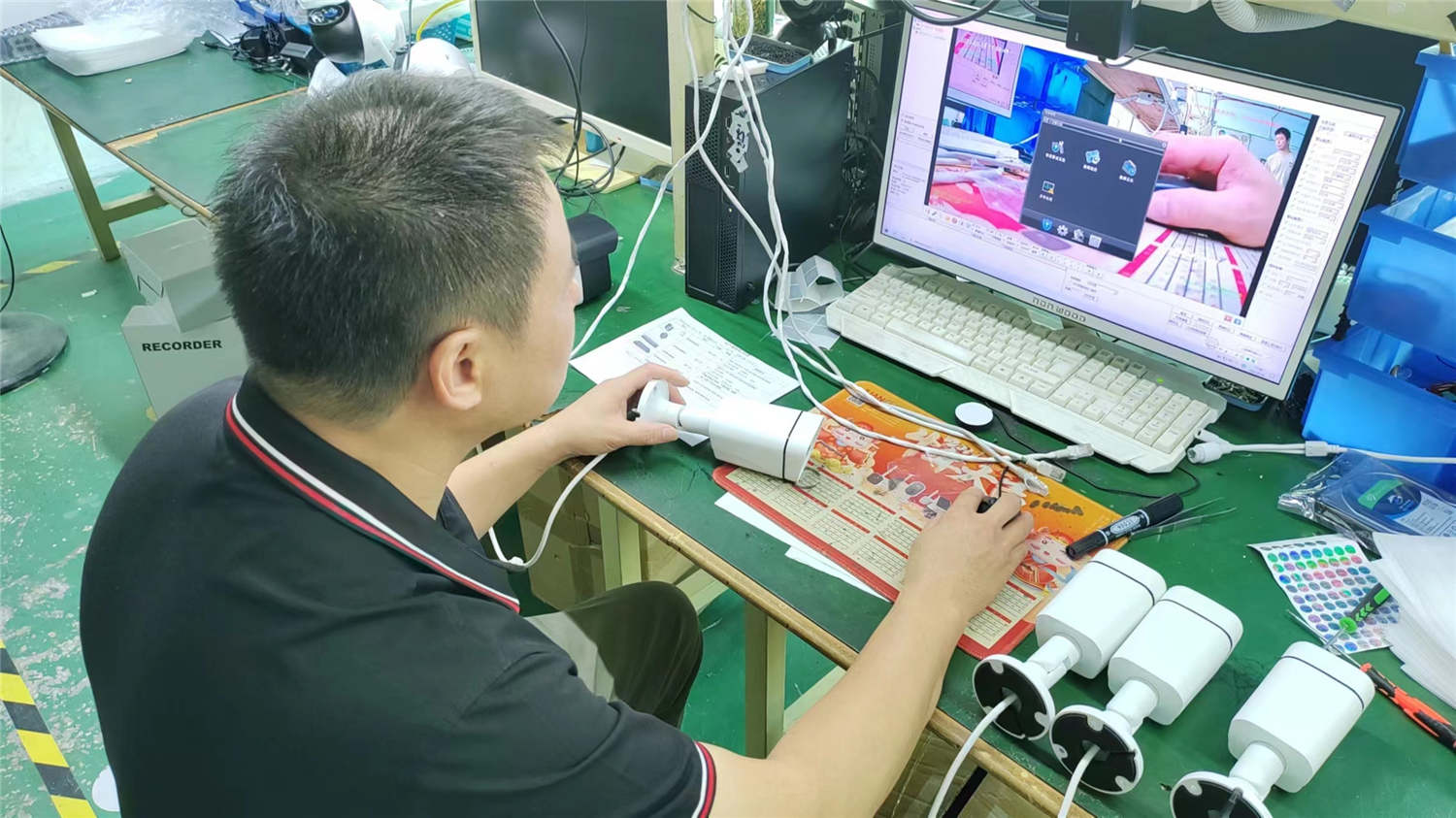
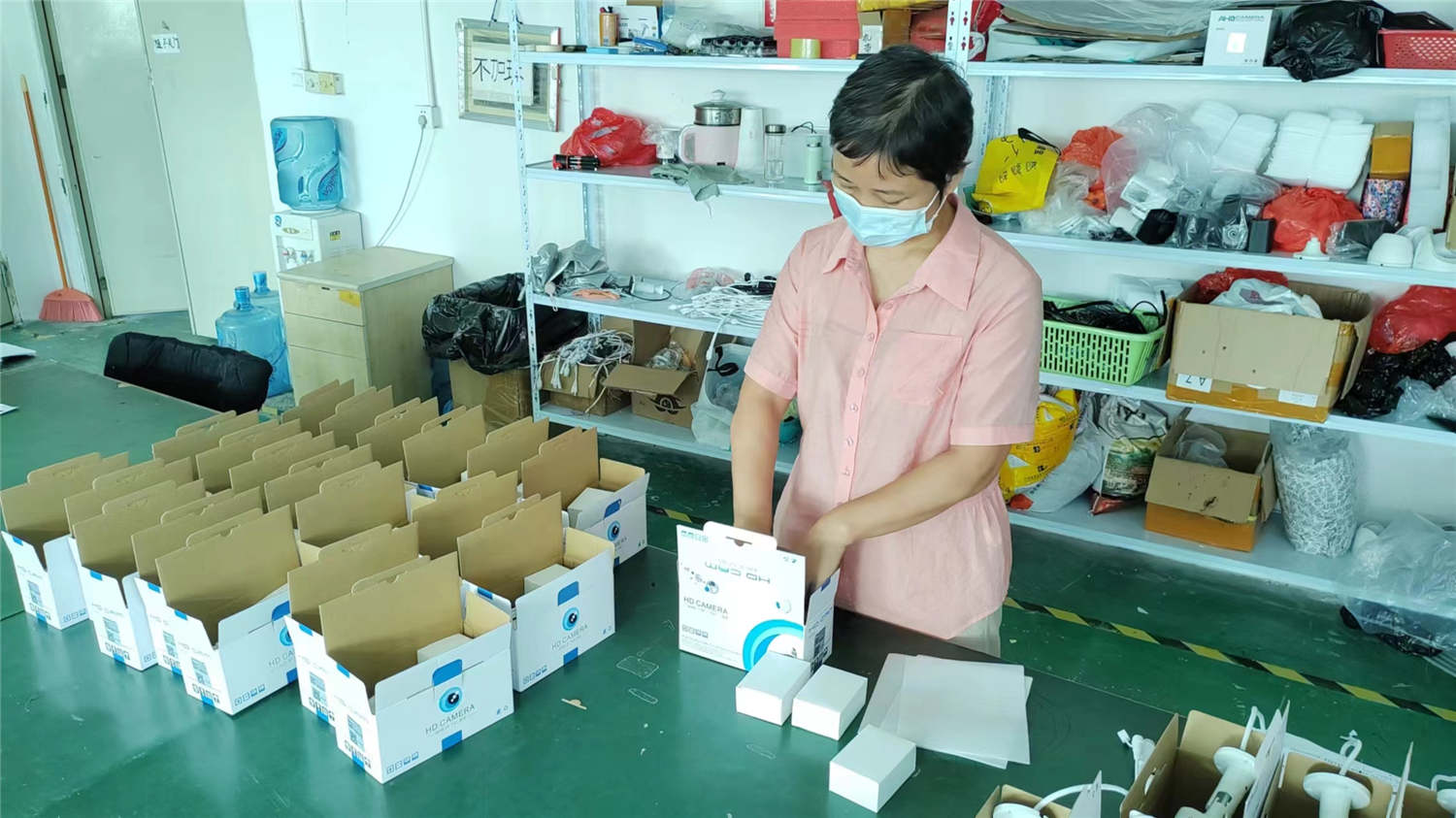
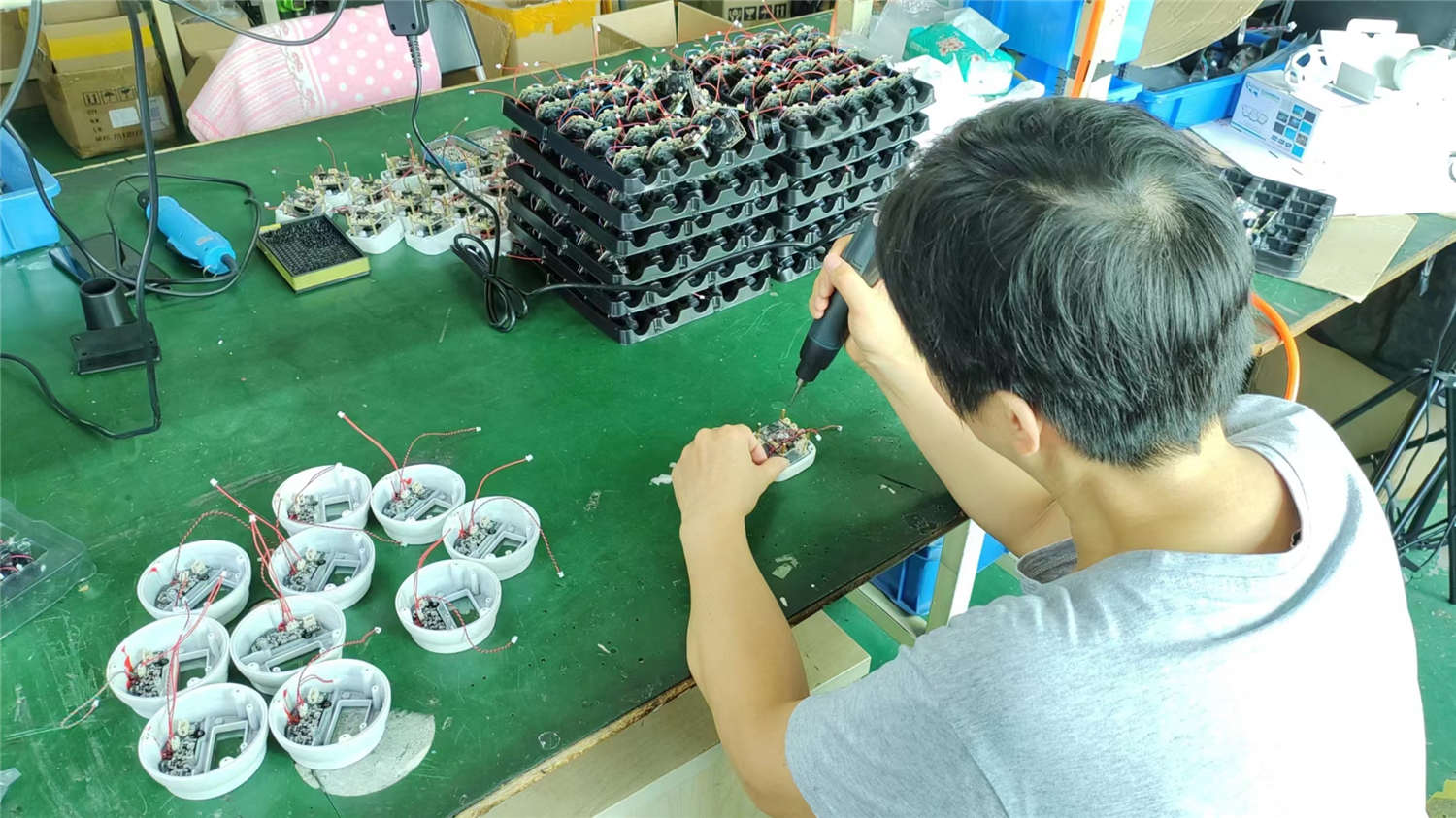
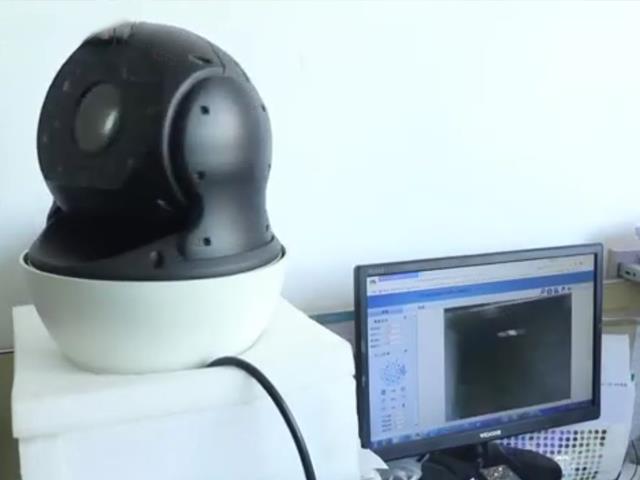
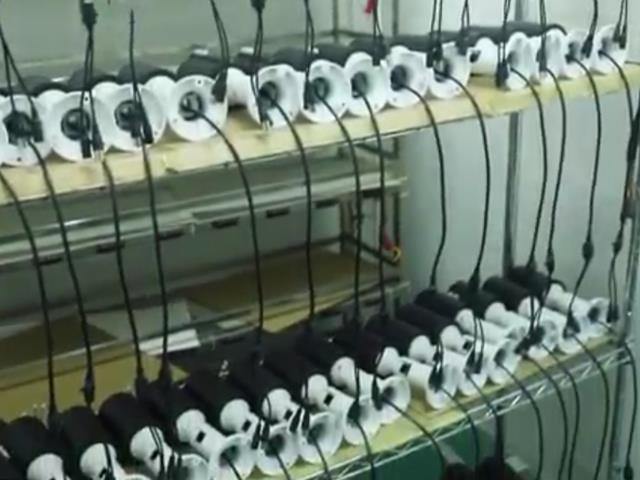
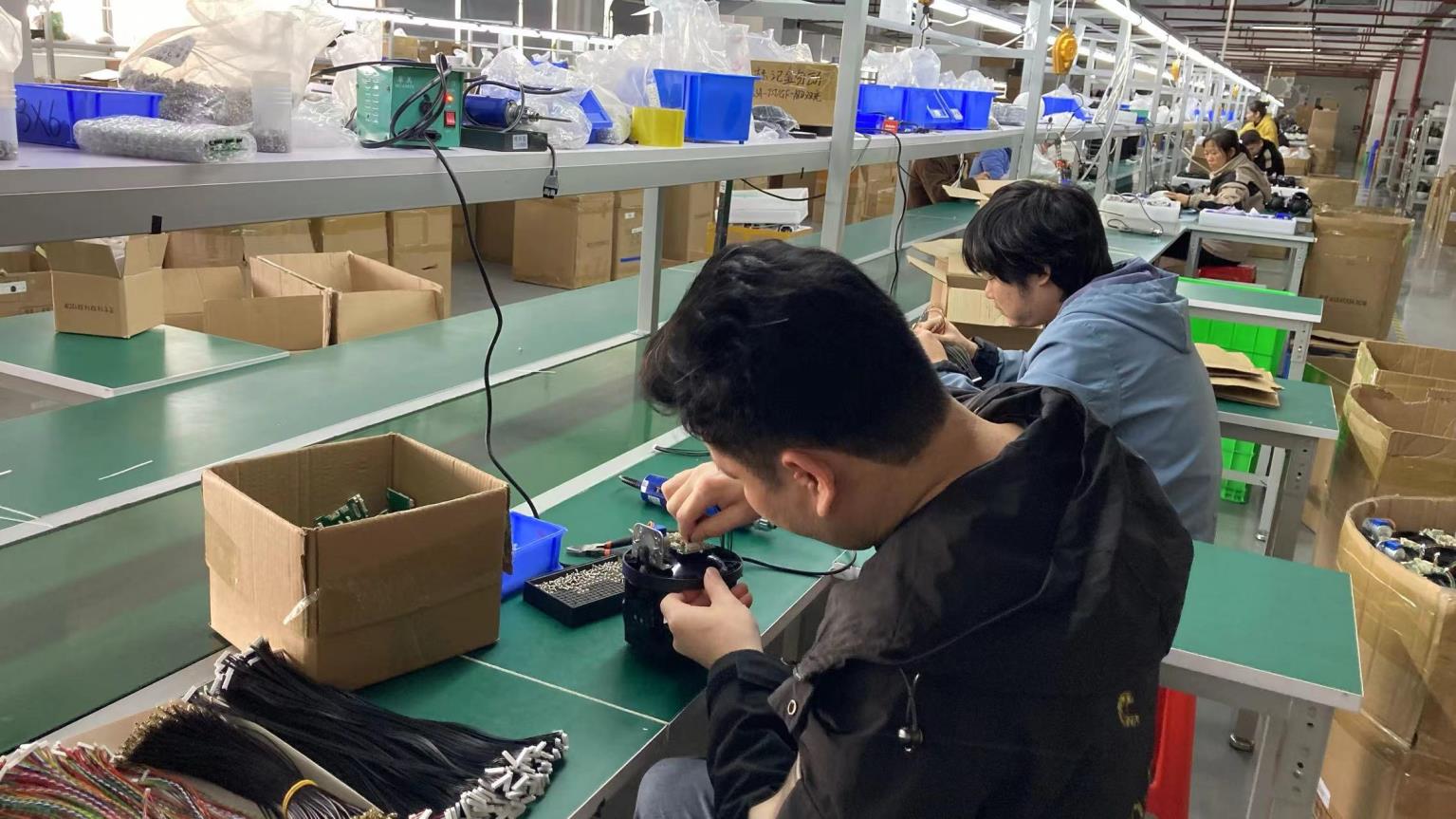
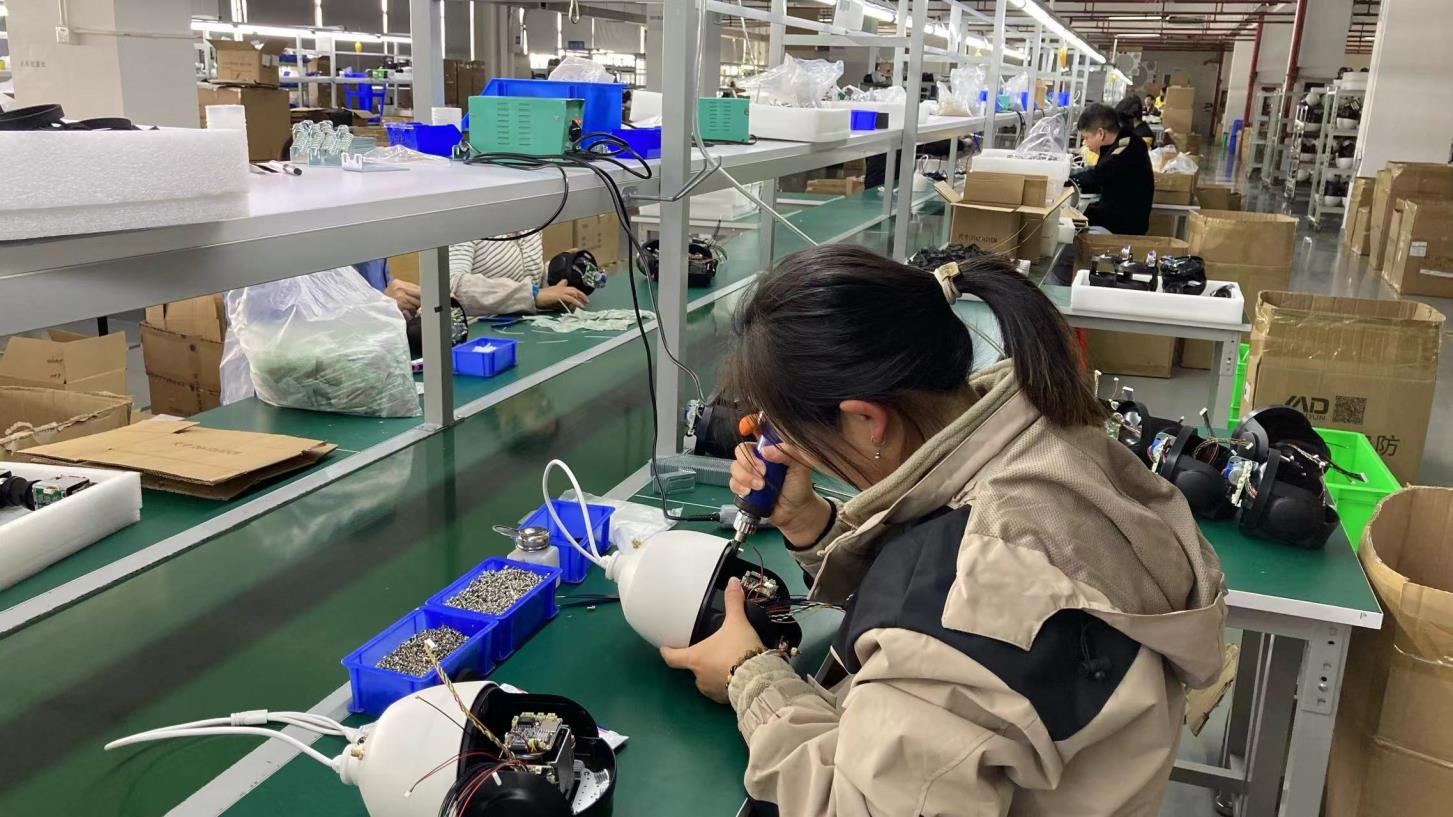
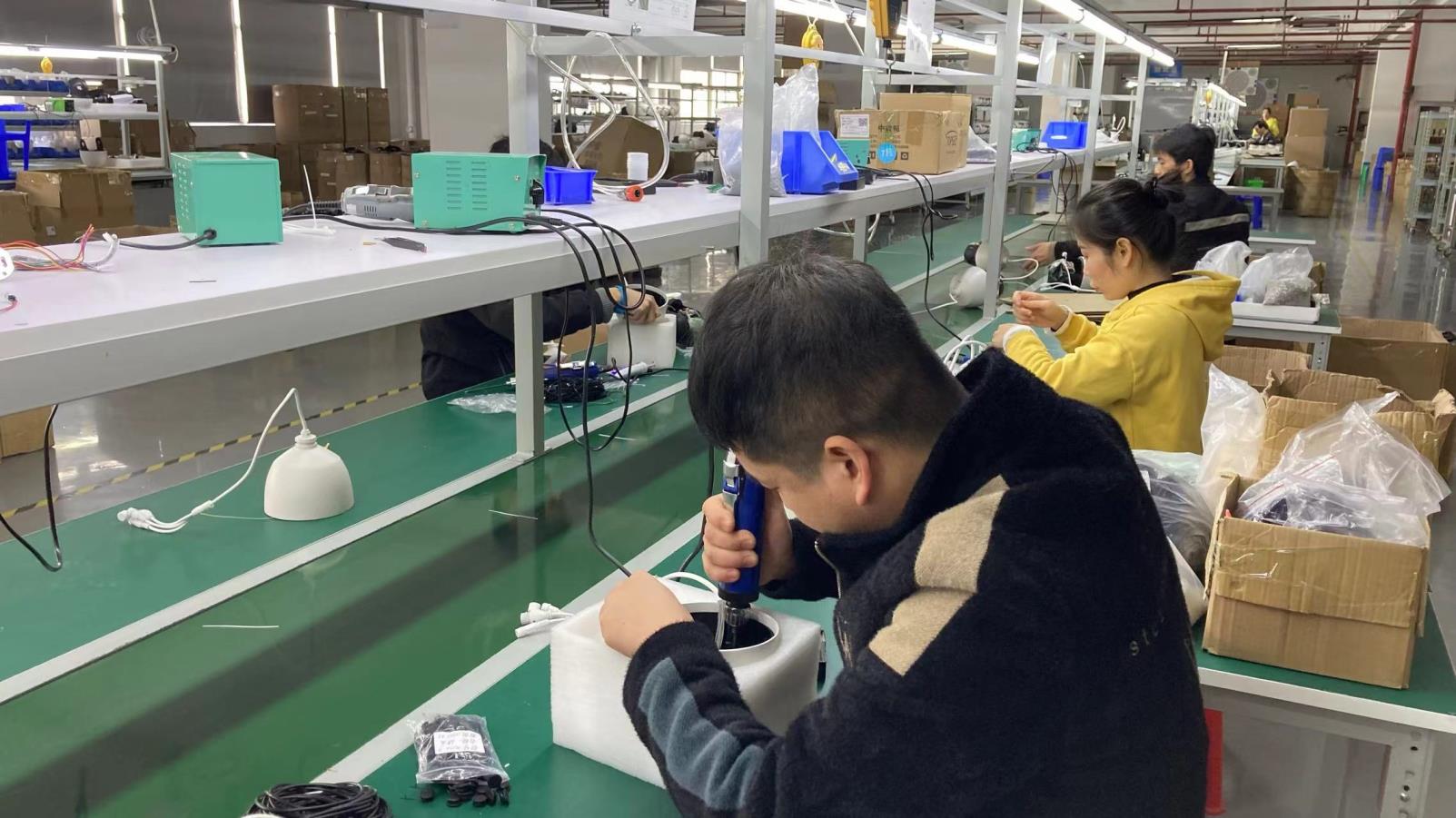
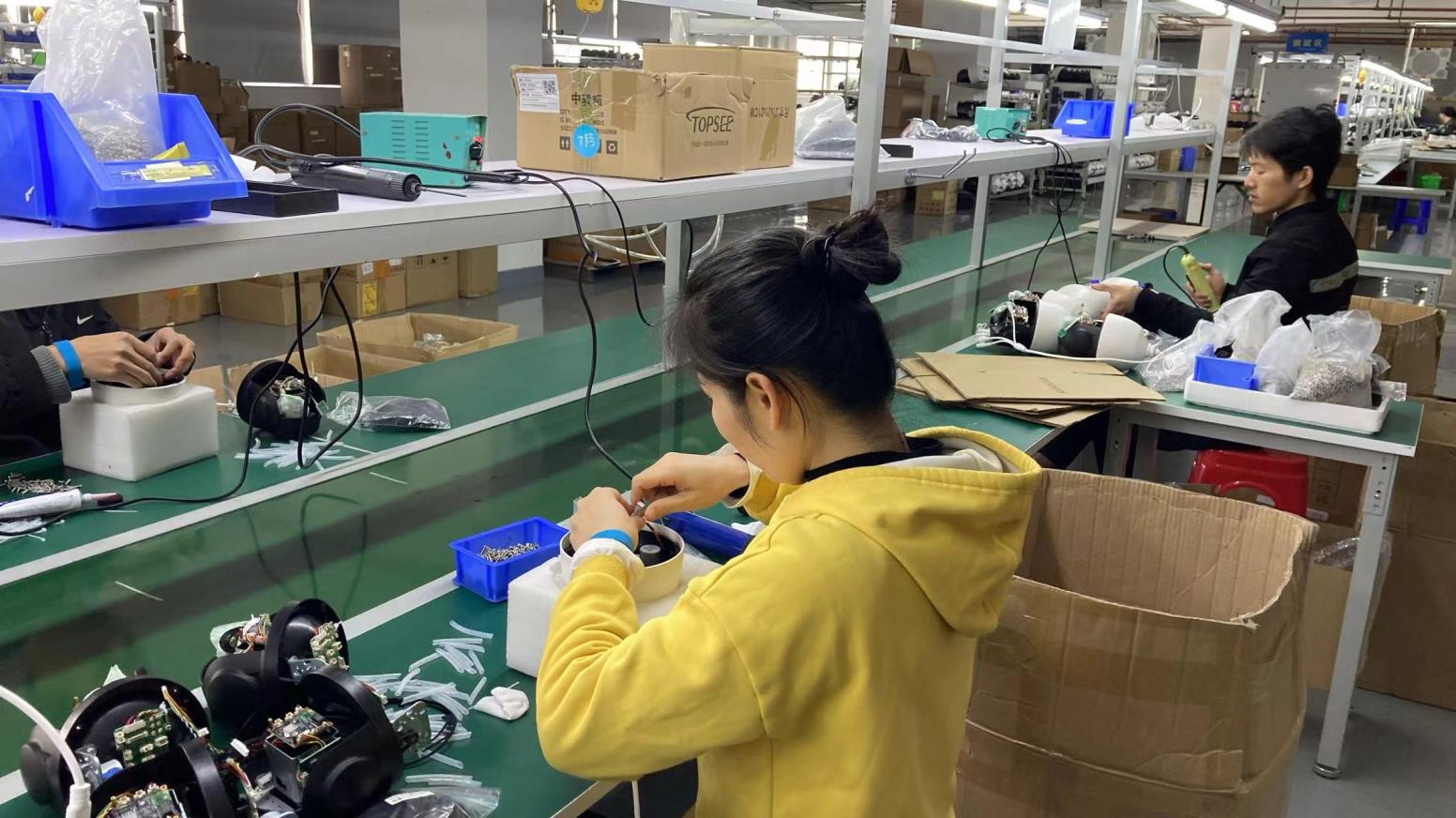
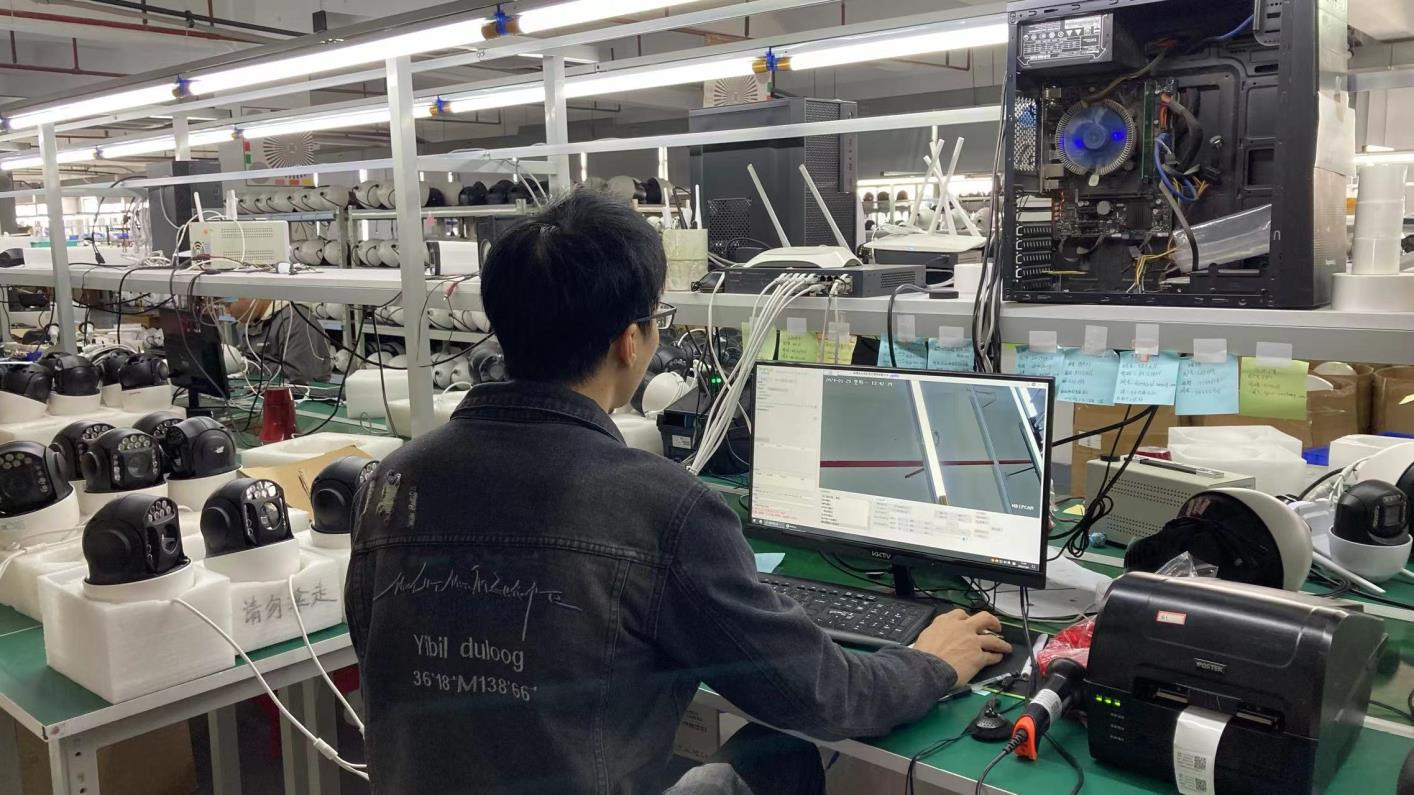
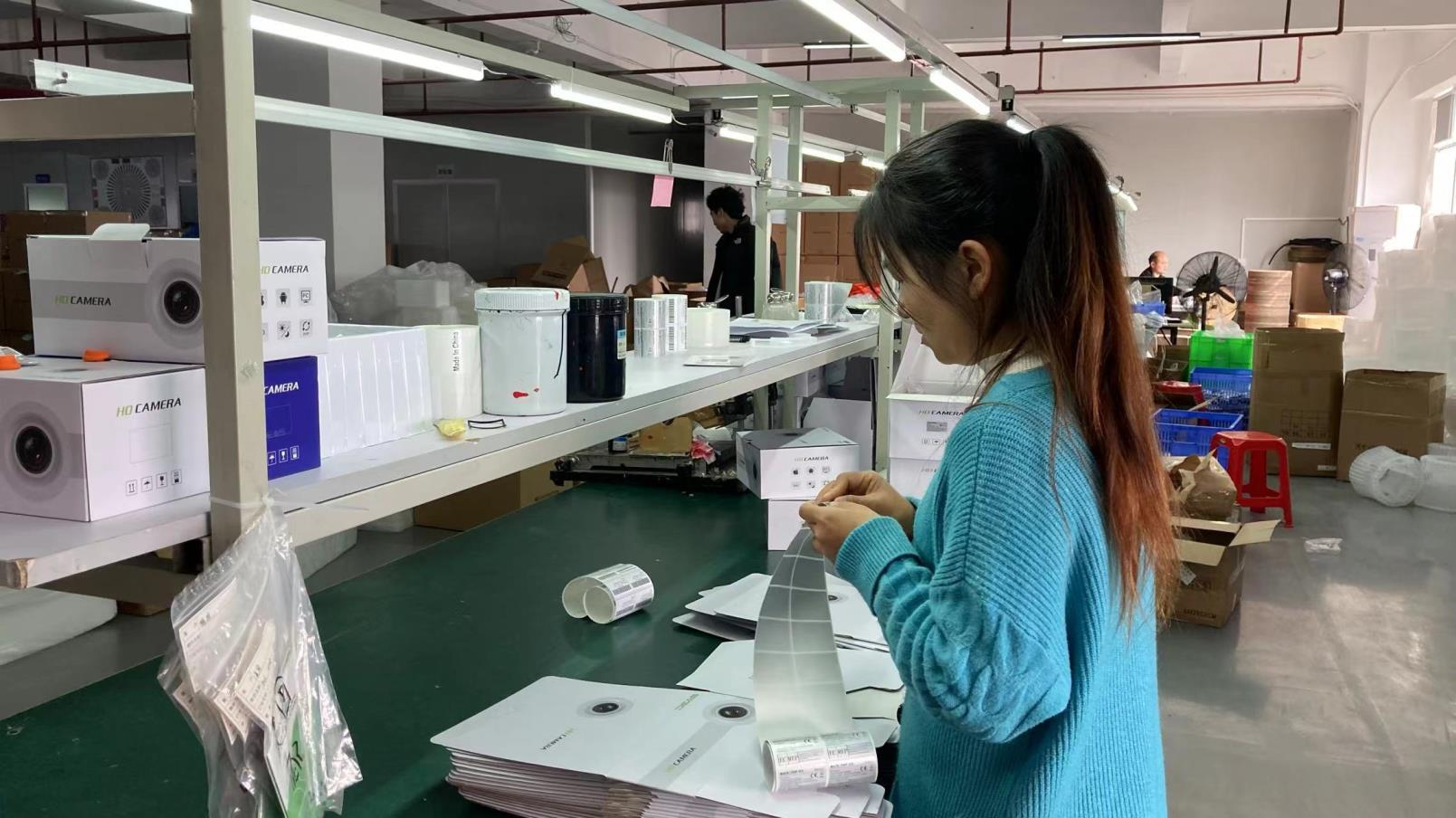
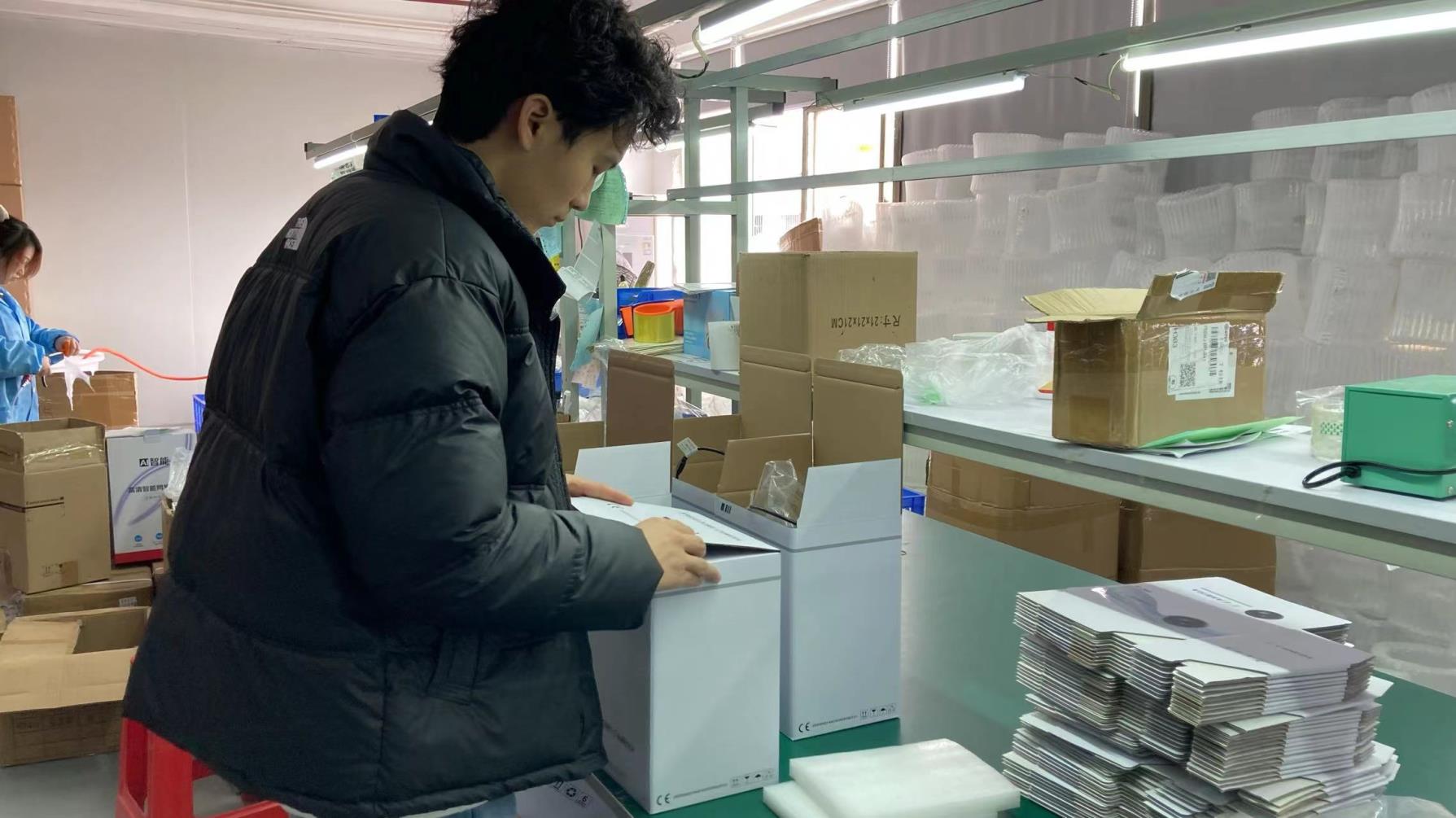
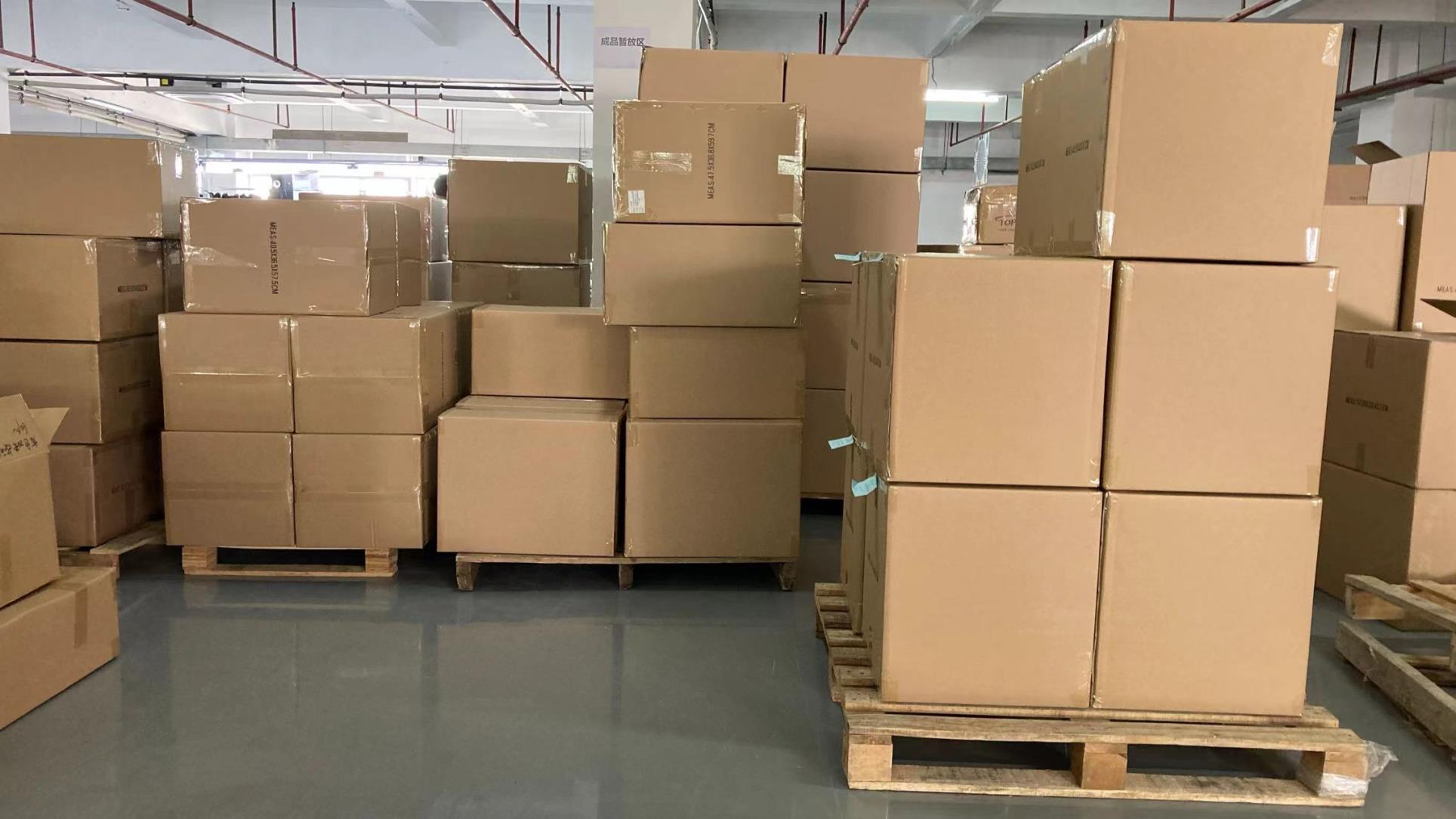
We invite you to explore our advanced assembly and testing workflows. Every PTZ unit undergoes rigorous validation before global dispatch:
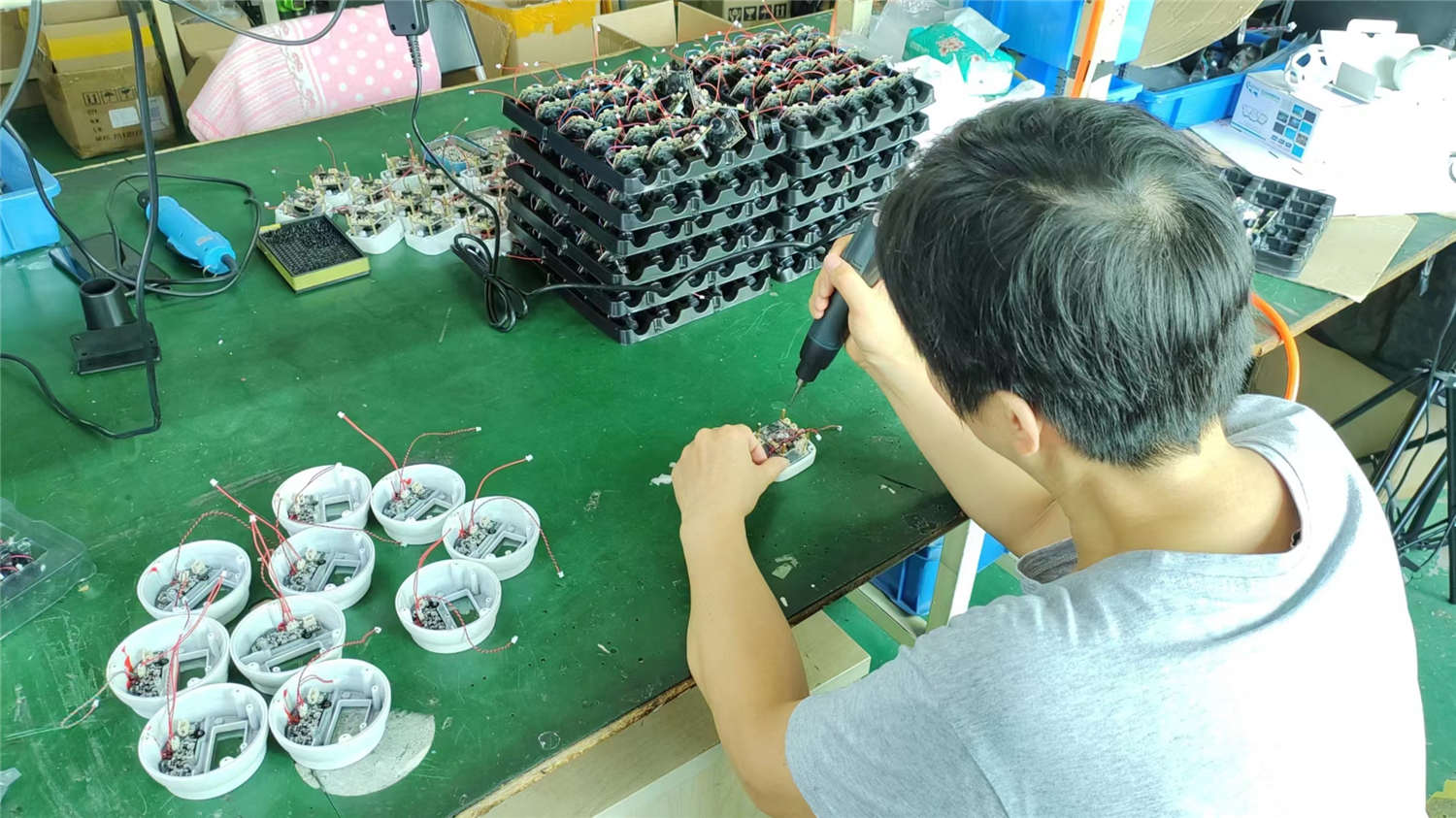
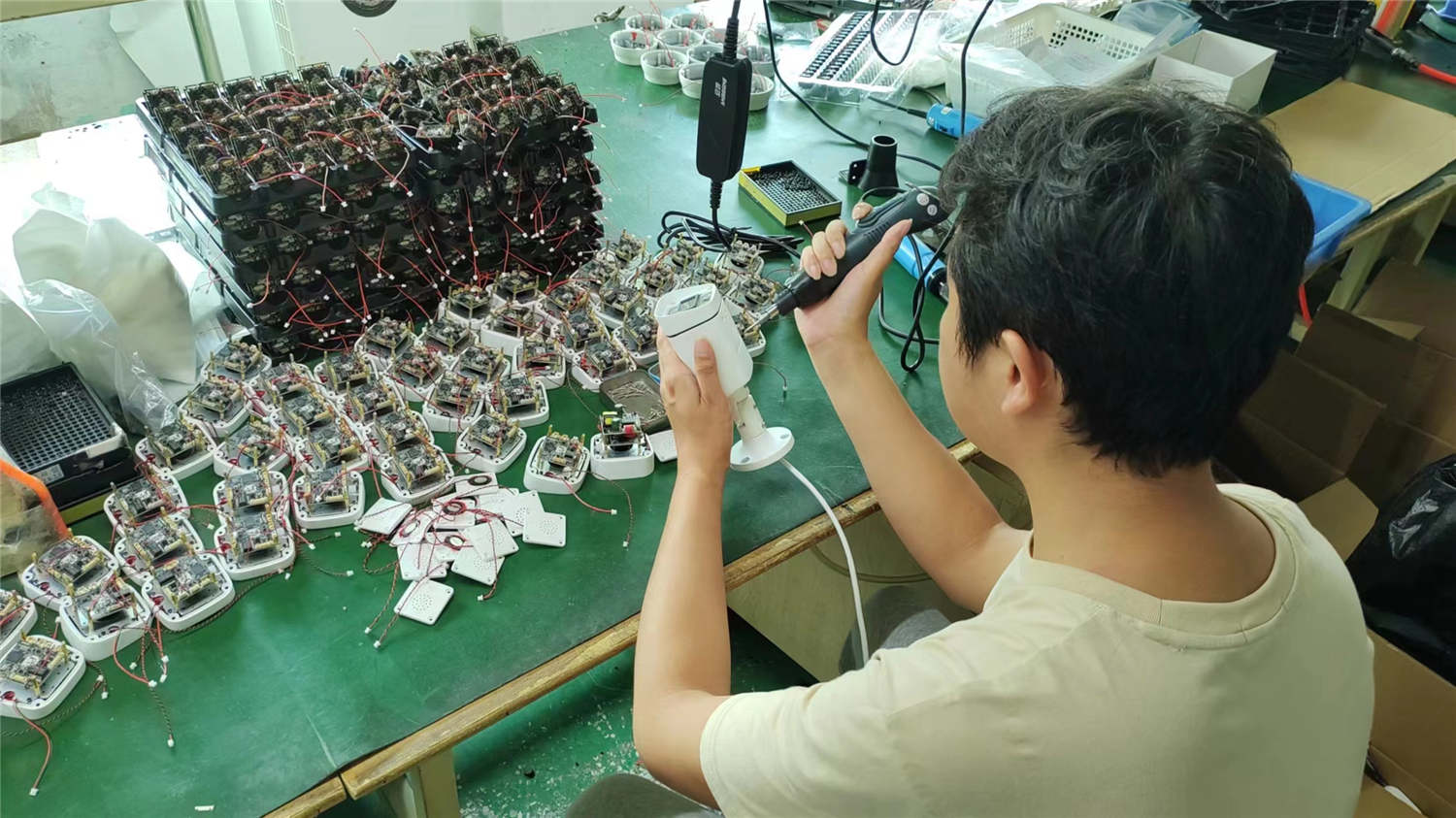
Assembly Line
Camera Component Assembly
Assembly Process
PTZ Mechanical Calibration
Optical Testing
High-Resolution Sensor Testing
Secure Packing
Anti-Vibration Export Packing
Electrical Screwdriver
Precision Screwing & Sealing
Function Check
Full Function Inspection
Aging Test
48-Hour Thermal Stress Aging
Assemble
Infrared Module Mounting
Assemble
Circuit Board Wiring
Assemble
Ruggedized Metal Housing Fit
Assemble
Dual-Spectrum Alignment
Function Test
Continuous Pan-Tilt Test
Packing
Sealed Humidity Protection
Packing
Heavy-Duty Hardware Box
Finished Product
Final Inspection Approved

Core Technology Breakdown & Global Procurement Matrix

Understanding the hardware parameters and software engineering required to support long-range target tracking and system longevity.

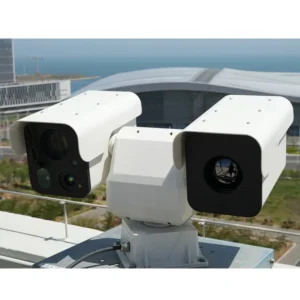
Choosing the correct electro-optical setup requires analyzing the target operating conditions and required tracking distances. Standard security cameras struggle with contrast loss at long range due to atmospheric scatter. Our systems overcome this limitation using dynamic local contrast enhancement, specialized optical defog filters, and dual-sensor configurations that integrate high-resolution visible cameras with long-wave infrared (LWIR) thermal sensors.

Equipped with uncooled focal plane arrays and continuous-zoom infrared lenses, our PTZ systems can detect temperature differentials as small as 0.05°C. This allows the system to identify objects in sea spray, rain, fog, and total darkness. Integrating these sensors with advanced pan-tilt gearboxes enables precision tracking, maintaining locks on vessels, vehicles, or airborne objects even during high-wind conditions.

Technical Performance and Capability Comparison

Feature / Standard Standard Commercial Systems HawkEye Marine PTZ Systems Samoa Operational Advantage
Corrosion Resistance Standard powder coating Marine C5-M standard coating Prevents salt-spray rust and premature housing failure in coastal environments.
Visual Range (Vessel) Up to 2 km Up to 15 km (thermal/optical) Allows early detection of vessels entering Samoa's EEZ or Apia port approaches.
Auto-Tracking Tech Simple pixel-change motion Edge-AI CNN Deep Learning Reduces false alarms caused by waves, sea birds, and shifting clouds.
Wind Resistance Up to 60 km/h Operational up to 150 km/h Maintains stable images and target lock during severe storms and tropical depressions.

Industry Development Trends

The electro-optical surveillance industry is moving away from passive video recording toward edge-computing architectures that analyze video in real time. We focus our development on three key areas:

  • Radar-to-PTZ Target Handoff: Integrating marine radar with multi-spectral PTZ cameras. When the radar detects a target crossing a virtual fence line, it automatically coordinates the PTZ system to lock onto and visually verify the object.
  • Anti-UAV Tracking Solutions: With the rise of drone use, modern security systems need to detect and track low-altitude aerial targets. Our AI models can distinguish birds from small commercial drones, guiding optical systems to maintain tracking.
  • Athermalized Optical Systems: Rapid temperature shifts in tropical environments can cause focus drift. Athermalized lenses maintain sharp focus across temperature ranges without requiring continuous manual adjustment.

Expert FAQ: Deploying Advanced Electro-Optical PTZ in Samoa

Technical guidance on environmental protection, network integration, and system maintenance in tropical regions.

Why is C5-M marine-grade anti-corrosion critical for Samoa installations?
Samoa's tropical environment combines high humidity with airborne ocean salts. Standard aluminum or steel camera housings degrade rapidly under these conditions. C5-M grade surface treatment uses multi-layer polyurea or fluorocarbon coatings to prevent galvanic corrosion, protecting the structural integrity of internal gears and sealing gaskets.
How does a dual-spectrum (thermal + visible) system perform during heavy tropical squalls?
Heavy rain scatters visible light, reducing the effectiveness of standard optical sensors. Long-Wave Infrared (LWIR) thermal sensors detect heat signatures rather than reflected light, allowing the system to locate vessels, humans, or vehicles through rain, fog, and complete darkness.
Can these PTZ systems integrate with existing radar systems at Apia Port?
Yes. Our PTZ architectures support industrial SDK integrations and ONVIF profiles. The camera system can accept tracking coordinates (latitude/longitude/elevation) from marine radar networks via Pelco-D/P or proprietary XML/JSON commands, automatically centering the optical sensors on detected targets.
How do your deep learning algorithms minimize false alarms caused by waves and sea spray?
Unlike standard motion detectors that trigger on pixel-level shifts, our built-in deep-learning models classify targets based on shape, behavior, and movement profiles. This allows the system to ignore ocean waves, swells, floating logs, and sea birds, focusing tracking algorithms on vessels, vehicles, humans, or drones.
What level of technical support and warranty protection do you offer for customers in Samoa?
We provide a 24-month warranty on our heavy-duty PTZ systems, along with remote technical support for setup and network integration. We can also pre-configure systems prior to shipment to simplify local installation.

Partner with a Dedicated Security System Manufacturer

Discuss your project requirements with our engineering team. We supply customized electro-optical systems for ports, borders, and critical infrastructure in Samoa and the South Pacific.

Send Inquiry Now