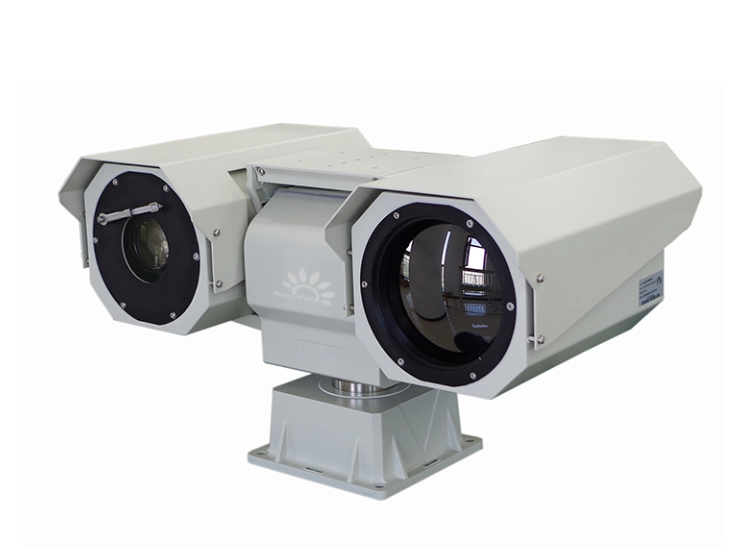
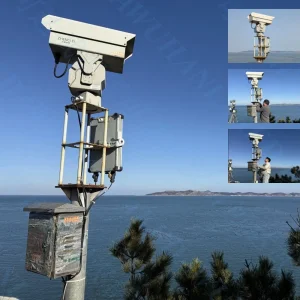
HawkEye Camera
Global Industrial Status of Emergency Response Video Systems
Analyzing the paradigm shift in real-time incident command, visual telemetry, and critical surveillance infrastructure.
The global emergency response landscape is experiencing unprecedented challenges, ranging from extreme meteorological events induced by climate change to complex security vulnerabilities at national borders. Modern rescue operations, military operations, and civic emergency management no longer rely on voice communication alone. Today, real-time visual telemetry acts as the primary nervous system for command-and-control operations.
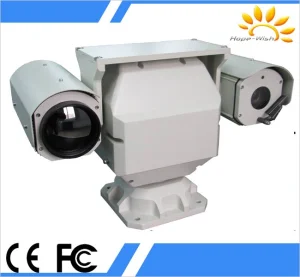
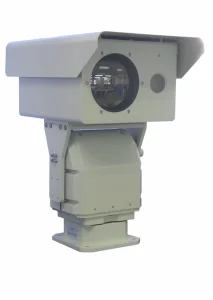
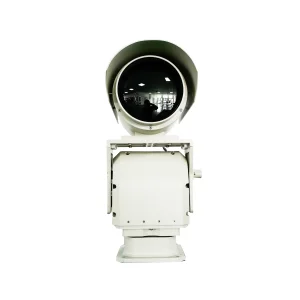
Emergency Response Video Systems (ERVS) are now expected to deliver continuous operational capability under severe environmental stress. This has led to the convergence of multi-spectral sensor payloads, featuring uncooled long-wave infrared (LWIR), optical telephoto focal lengths with AI dehaze capabilities, and active radar systems. As global infrastructure becomes more integrated, governments, military entities, and municipal services demand systems that function continuously in temperatures ranging from -40°C to +70°C, and are resistant to high humidity, saltwater corrosion, and mechanical shock.
From a commercial perspective, market analysts project the global demand for disaster-ready thermal imaging and vehicle-mounted PTZ systems to grow rapidly, driven by strict civil protection mandates and the integration of edge computing. Tactical video feeds are no longer passive recordings; they are dynamic AI-assisted assessment points that classify targets, isolate wildfire hotspots, and track threats automatically.
Industrial Standards & Mandates
Modern emergency operations demand compliance with rigorous international metrics:
- Ingress Protection: IP66, IP67, and IP68 certification for complete dust tight integrity and water submersion resistance.
- Corrosion Resistance: ISO 12944 C5-M ratings for maritime and coastal installations.
- Network Protocol Integration: Complete compliance with ONVIF Profile S/G/T/M for interoperability with Command & Control Software (VMS).
- Environmental Standards: MIL-STD-810 military-grade shock, vibration, and thermal tolerance.